The decision to study abroad was the best decision I have ever made. However, I’m not going to pretend that this was an easy or quick decision to make, especially for someone as undeniably indecisive and worrisome as me. If you’re reading this as a prospective study abroad student, parent or friend, please stick with me to see how this headache of a dilemma resolved itself.
It wasn’t until my parents helped me research universities whilst I was at college that I realised that partaking in an integrated study abroad year was possible. As a somewhat homely and reserved 17-year old, I was unsure whether this would be an opportunity I could imagine myself taking. However, it was nevertheless not one I was prepared to deny my future self and so I applied and achieved my first choice university, in the knowledge that they offered study abroad years and I could decide what to do when the time came. Flash-forward two years and I found myself in my second year at Sussex university, at an introductory meeting for study abroad, with the same dilemma, only this time more pressing: should I stay or should I go?
I have always loved travelling, exploring new places, meeting new people and trying new things. I think it would be difficult to find someone who doesn’t. So naturally, the idea of studying abroad appealed to me. However, there is a huge difference between holidaying and studying abroad. Holidaying entails packing for a fortnight, with the promise of home before you even realise you’ve been gone. Studying abroad means packing up your life with no clear concept of what home will resemble or feel like when you return a year or so later. This would be a big decision for anyone, but particularly for those of us who, like me, tend to exercise on the side of caution. My ‘um-ing’ and ‘ah-ing’ was only complicated further by the fact that many of my friends were proceeding into their final year and thus graduating and moving on before me. I was understandably a little uneasy about my future upon return to Sussex: who would I live with? Who would I go to for my nights-out or my girl’s night in? Who would I complain to about the ridiculous amount of course reading?
This wasn’t made any easier when some people questioned why I would do a study year abroad rather than just travel after uni, to which it is useful to refer back to the distinct difference between living abroad and holidaying abroad.
However, after lengthy discussions with my closest friends and family, as well as my tutors and those who had returned from their year abroad, I decided that this was an opportunity I could not pass up. How often do you get to the opportunity to live and study in a different country, for a year? To further my education, fine-tune my interests and explore a new country all at the same time. Next, it was a question of where in the world I would apply. This was less challenging. Australia had always been top of my list to travel to; the warm climate, the beach life and the friendly people, what’s not to love? Unlike just holidaying there, a huge perk of being a student in the country is the student visa which allows you to have a lengthy stay. Thanks to my hard work in my first year of uni, I secured one of two places at my first choice, the University of Queensland, Brisbane. So despite my concerns and anxiety upon hearing “you’ll have time of your life”, I consider myself incredibly lucky to have been able to spend a year in my dream country, meeting and making friends with people from all over the world and learning about their cultures too. Studying abroad really was the adventure of a lifetime.
It’s no secret that us Brits like a party but with New Year’s arguably the night of the year, how does anyone decide how to spend it? With such high expectations, New Year’s and the days either side can often fall short. New Year’s brings with it the sentimental glance back on the year just gone and the cautious optimism for the one to come. For me, it’s a time best spent with those nearest and dearest. As such, after a tough year and in anticipation of the feelings that this time of year often brings, my friends and I decided to book a trip to Edinburgh. As a Londoner, we’re spoilt for choice for things to do around New Year, so much so that it can actually be a little overwhelming and the events themselves.. dare I say it, underwhelming. Sometimes it’s nice to get away and where better than arguably the biggest and best place for New Year in the UK?
A quick google search will tell you that Scotland and in particular its capital, Edinburgh, goes all out for its New Year celebrations, known colloquially as ‘Hogmanay’. The city is host to several days of celebration with street parties, concerts, torchlight processions through the city and for those feeling brave enough a dip, appropriately nicknamed ‘a loony dock dip’. Having booked the trip back in September with high hopes for the city’s celebrations, we were pretty disappointed when another spike in covid cases meant these events, like so many before, were cancelled. We thought (or had hoped) we had seen the back of covid cancelling our plans but we didn’t let it dampen our spirits. Fortunately Edinburgh is a fantastic host, with or without the infamous hogmanay events.
What we did
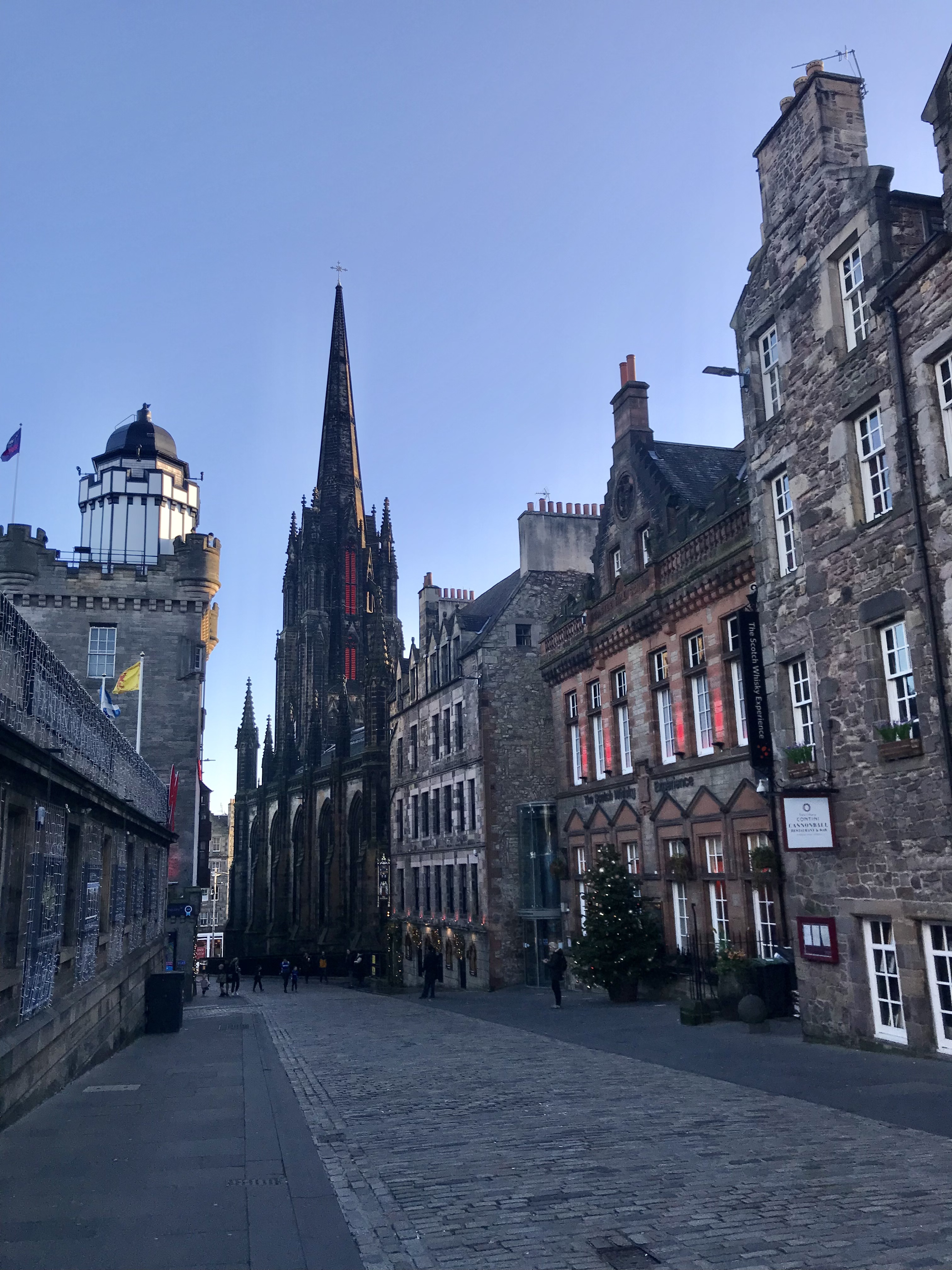
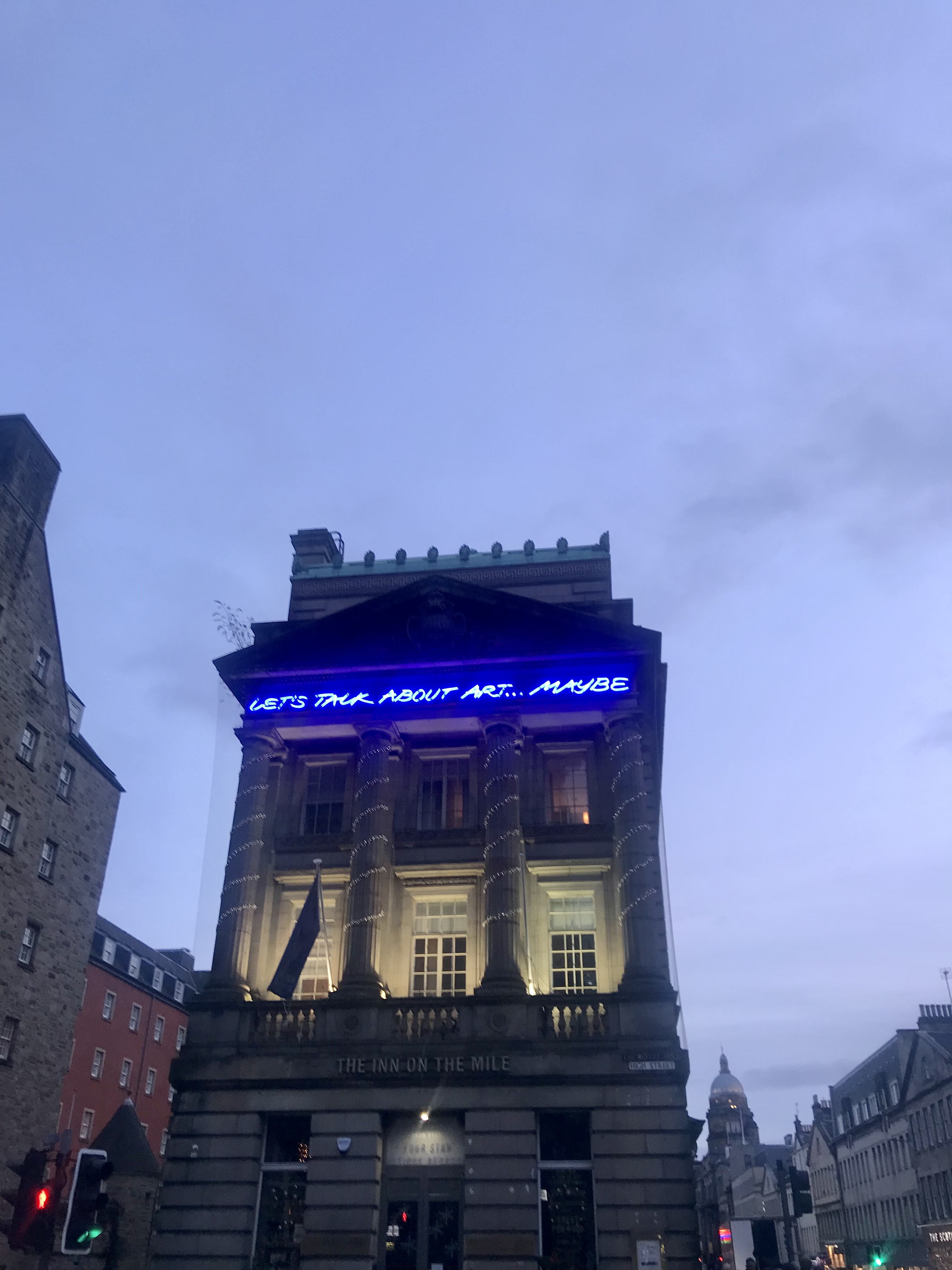
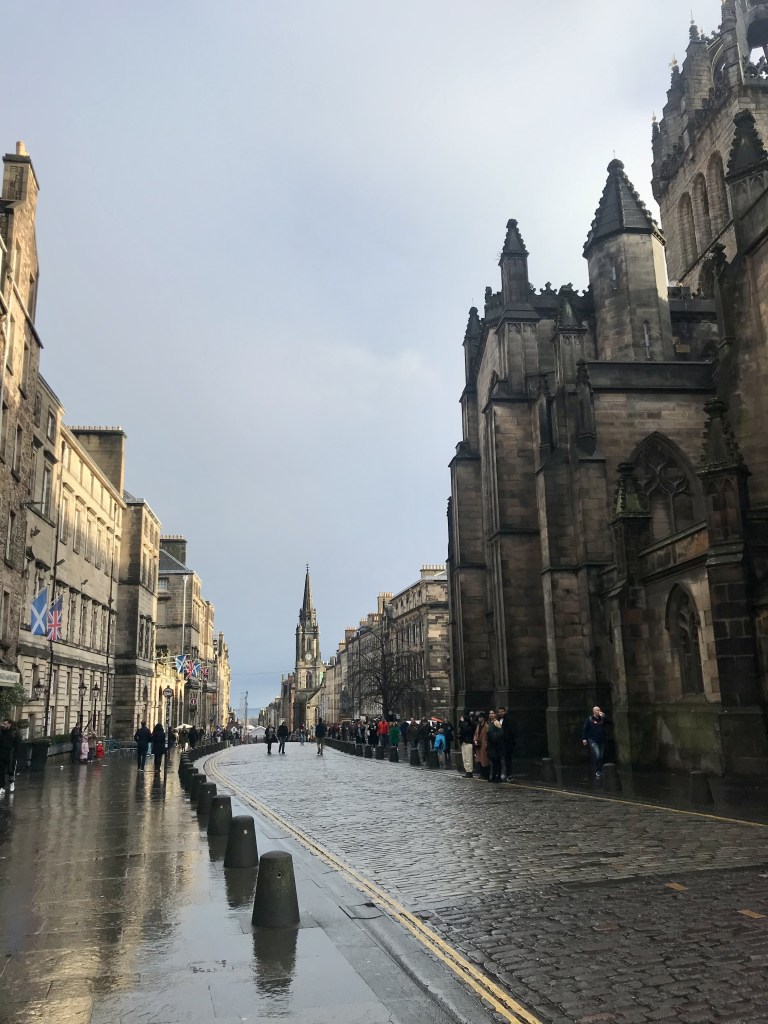
Edinburgh is a beautiful city at any time of year. I’m fortunate enough to have visited several times prior to my New Year trip, but this was my first winter visit. The city is fairly small and easily walkable making it ideal for a few days away. The most popular part of the city is its old town. Stepping foot here is like taking a trip back in time with the gothic architecture lining, narrow cobblestoned streets. It seems every corner boasts another sandstone building, topped only by the city’s castle. The oldest surviving buildings here date back to the 14th century… if those walls could talk! While sunshine might be scarce, the city basks in medieval charm.
The Royal Mile, Edinburgh Castle and Palace of Holyrood
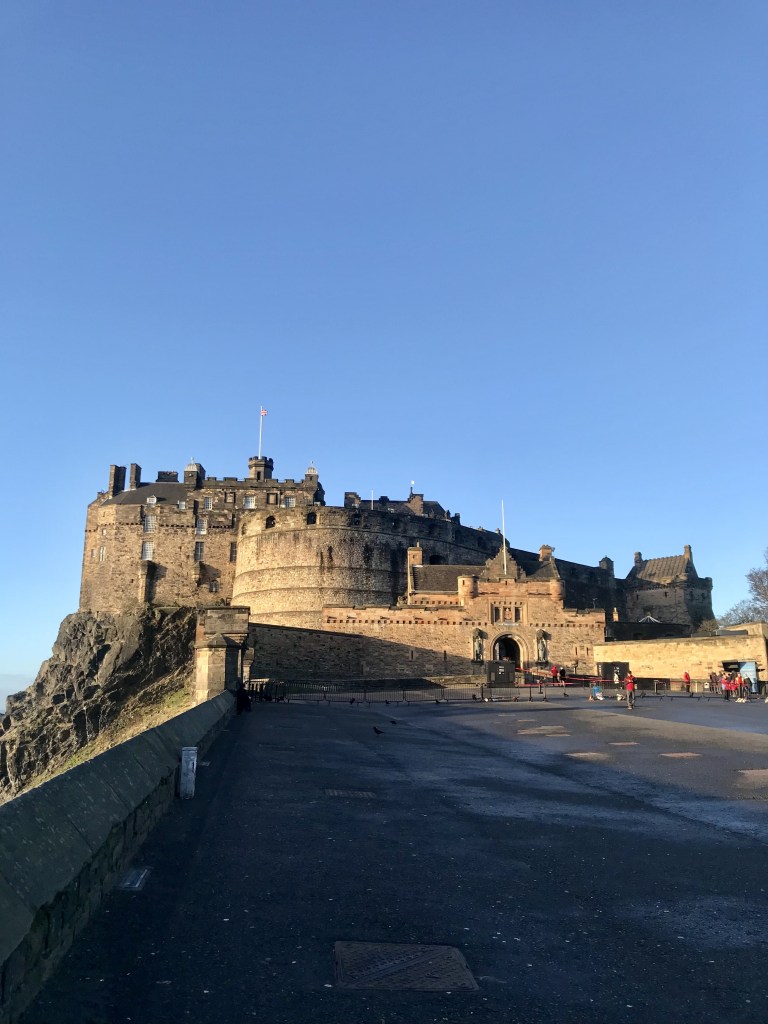
Any trip to Edinburgh would not be complete without a stroll down the Royal Mile which connects two iconic landmarks – Edinburgh Castle and the Palace of Holyrood. The Palace of Holyrood stands at one end of the Royal Mile and has been host perhaps most famously to Mary, Queen of Scots and remains a key location for the King today. At the opposite end is Edinburgh Castle, set on top of Castle rock. The castle is open to visitors with guided tours available but whether or not you choose to go in, you can get great views of both the castle and across the city from just outside.
Princes Street
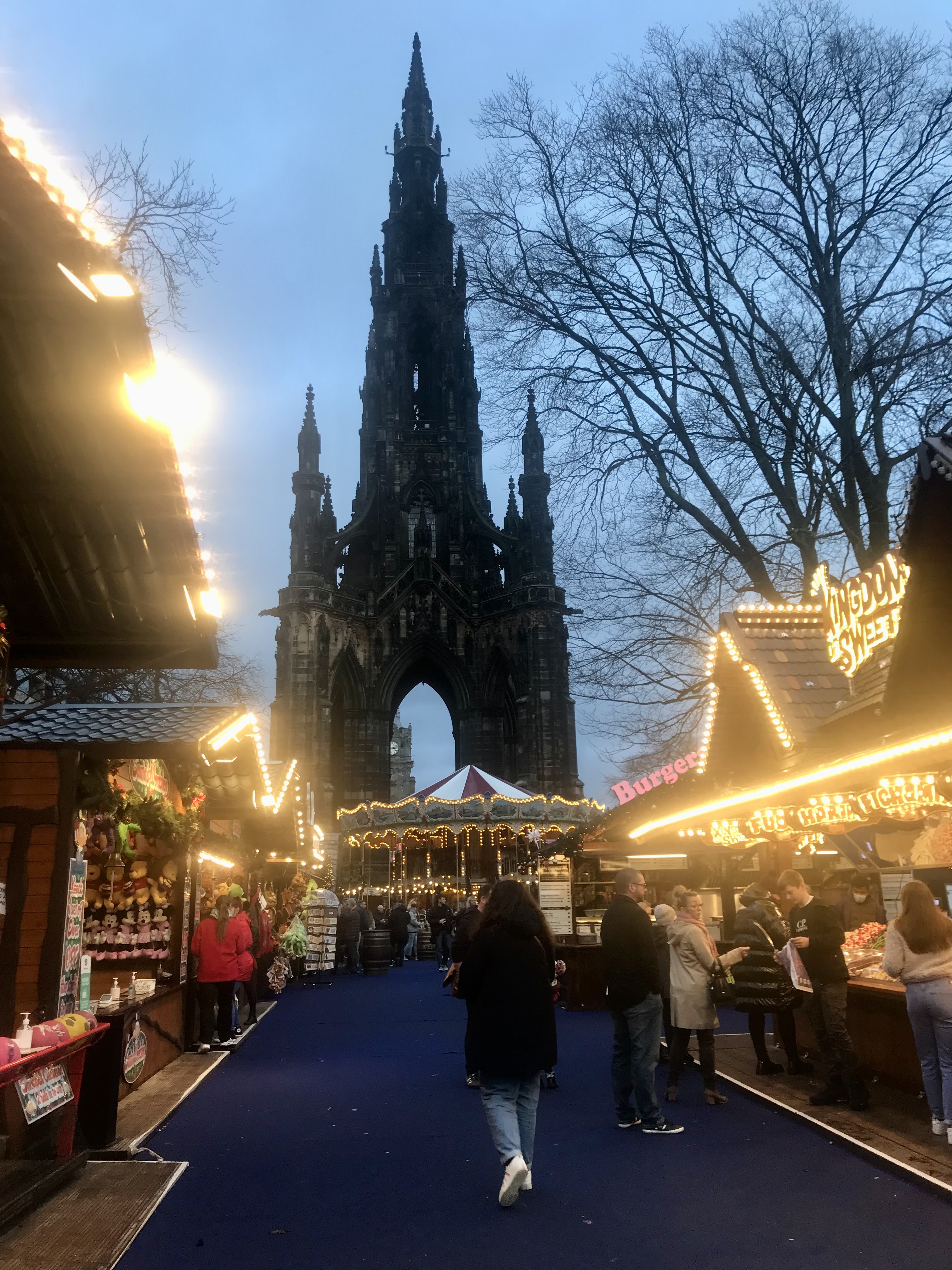
Princes Street is part of the newer part of the city. It is the best place to go for some high street shopping but as with most areas of Edinburgh, you don’t have to stroll too far before stumbling across a monument or two. Close by is Waverly Station, Scott Monument and the Scottish National Gallery. Princes Street also of course runs next to Princes Street gardens, a large public park which makes for the perfect spot to rest (when the weather allows). Princes Street is home to the Hogmanay Street Party and at Christmas, a festive funfair and market with food and craft stalls. It should be one of your first stops if you’re in Edinburgh for the festivities.
Grassmarket and old town
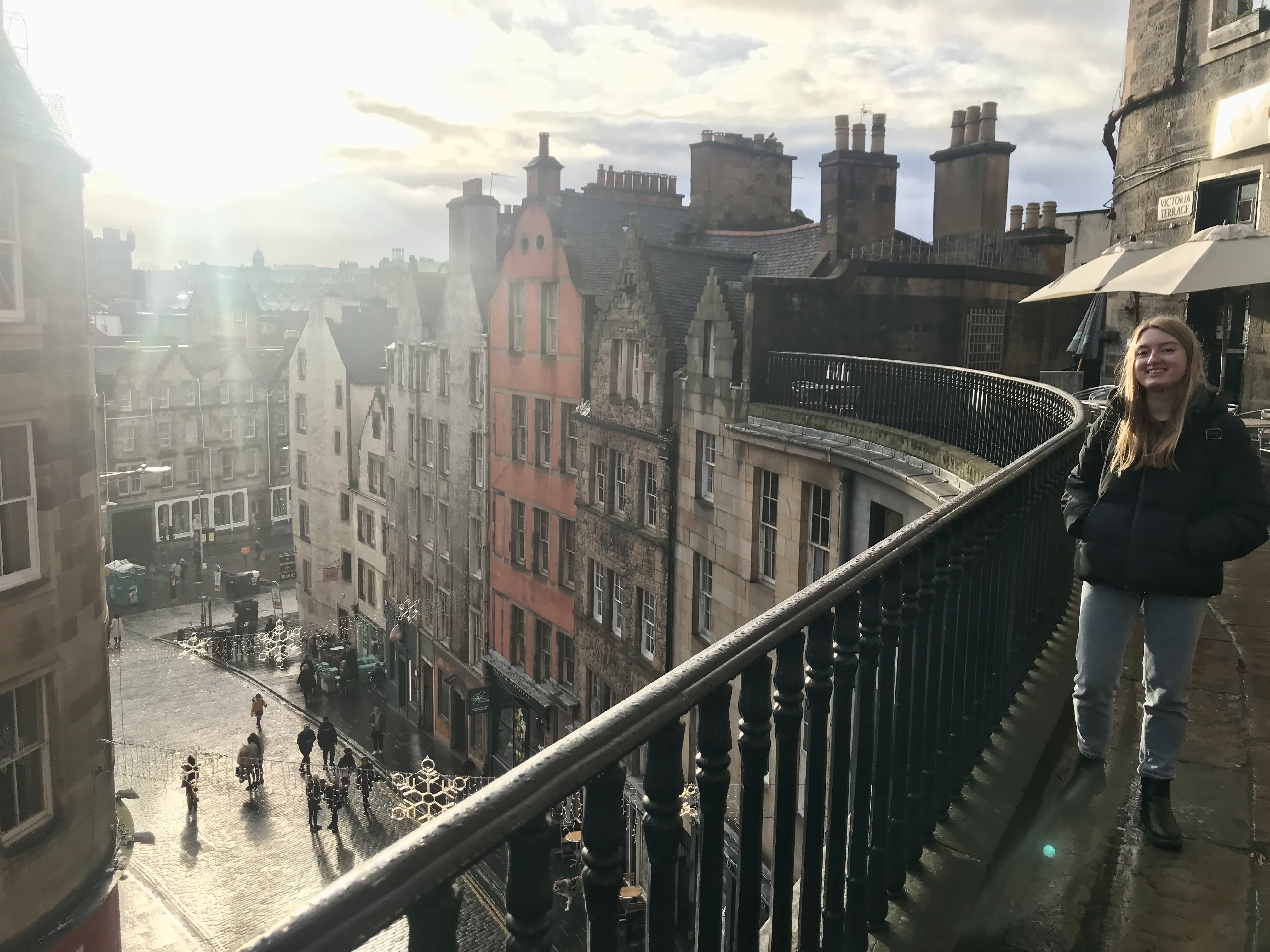
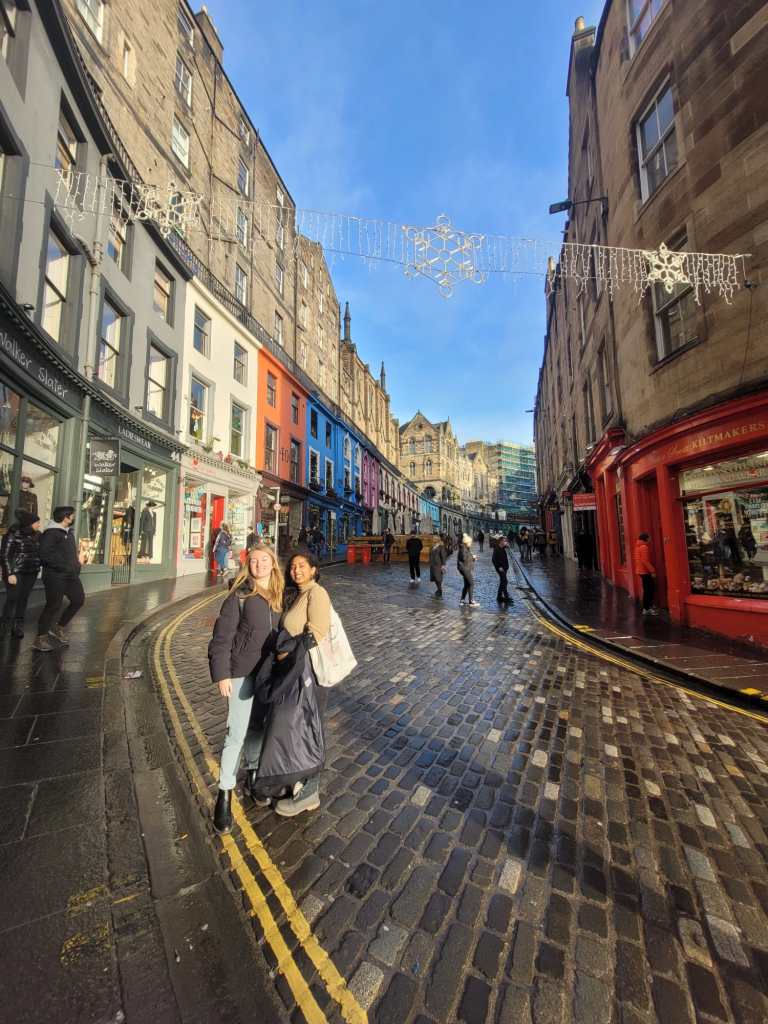
Not far from Edinburgh Castle is the infamous Grassmarket. This is one of the oldest markets in the city, dating back to the 14th century, making it a popular tourist spot. It’s very picturesque with its medieval architecture and view of Edinburgh Castle. It’s also home to several notable, traditional pubs and independent shops. It’s this area (specifically Victoria Street) of Edinburgh that is said to have inspired J.K Rowling’s Diagon Alley.
——
————–
The Real Mary King’s Close
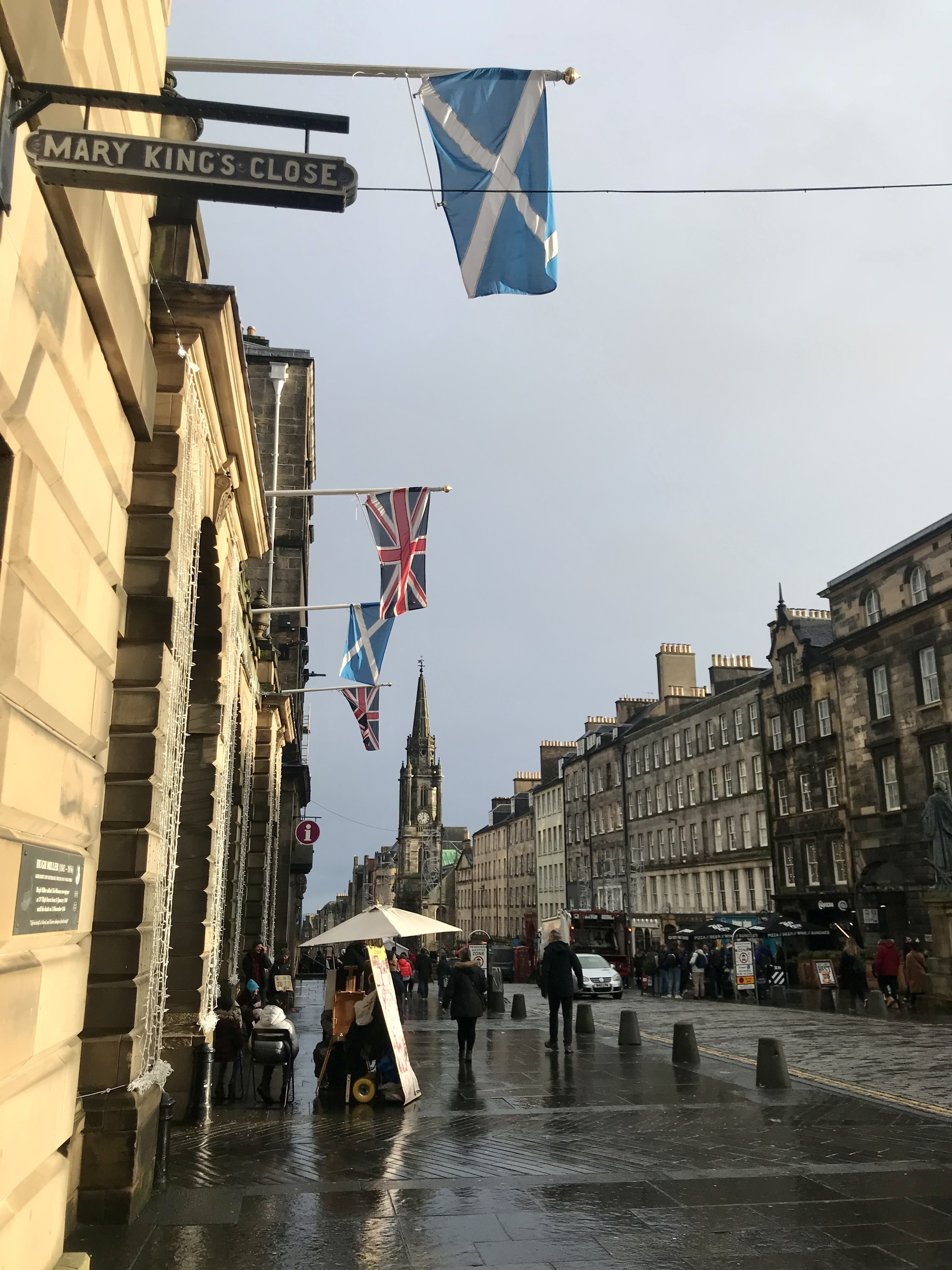
Hidden just below the Royal Mile is Mary King’s Close, a cluster of hidden streets frozen in time. For a reasonable price you can delve below to discover the life that existed just below the city’s centre. Our tour was led by a character representing one of the former residents who relayed the stories of other former residents who lived, worked and died here between the 16th and 19th centuries. This was a unique experience and an opportunity to learn more about Edinburgh’s rich history.
Camera Obscura and World of Illusions
This popular tourist attraction is a great spot for both kids and adults. There are five floors to explore, packed with different types of illusions. Though, beware of the tunnel… it will send your head spinning, so one to avoid when you’re hungover (we learnt the hard way). It’s great for a rainy-day, and safe to say, there’s lots of those in Scotland. Aside from the fun hands-on and interactive illusions, there’s a small rooftop to explore which is an added bonus. We timed our visit to capture some photos just as the sun was setting and the city came to life in the dark.
Arthur’s Seat
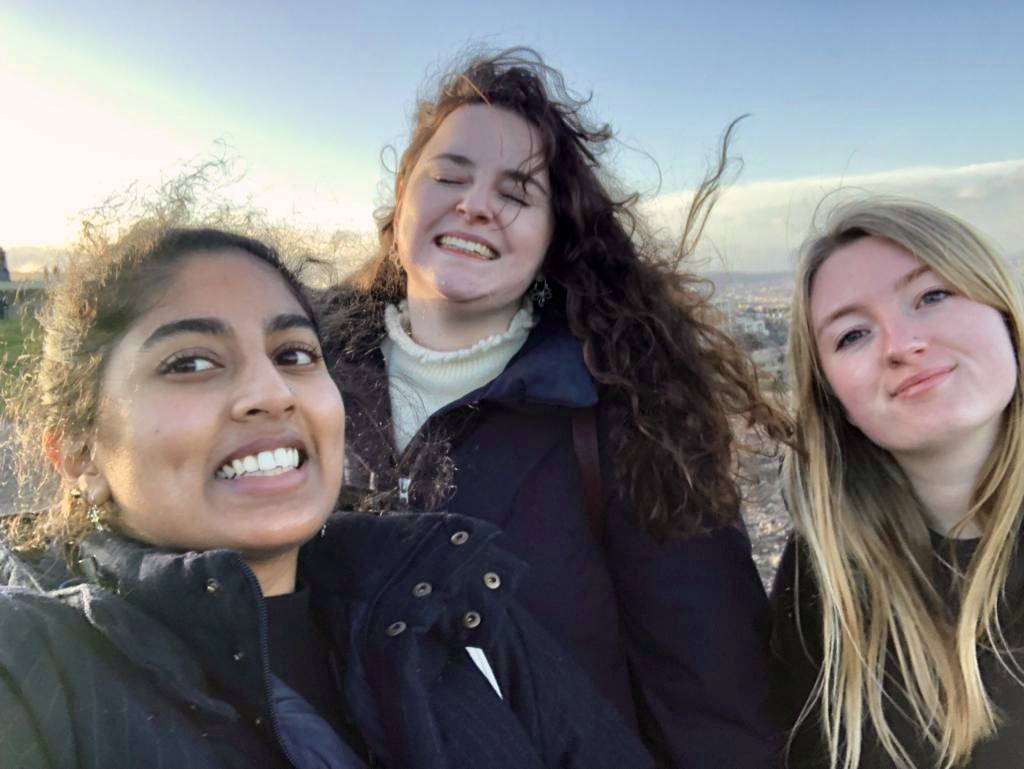
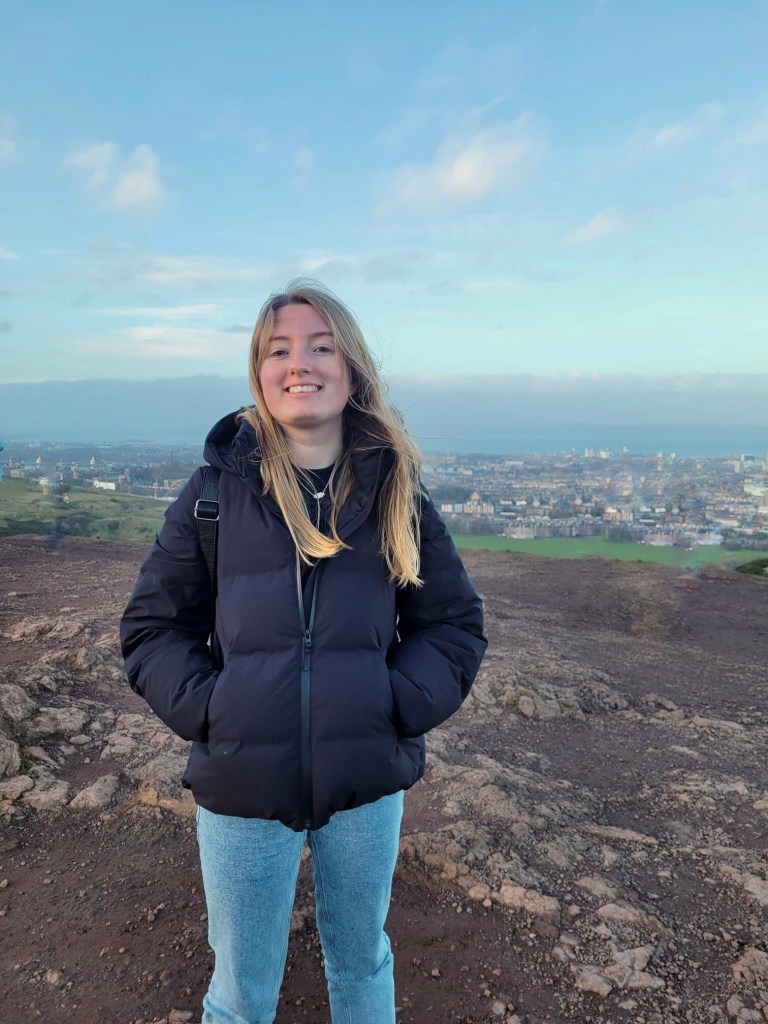
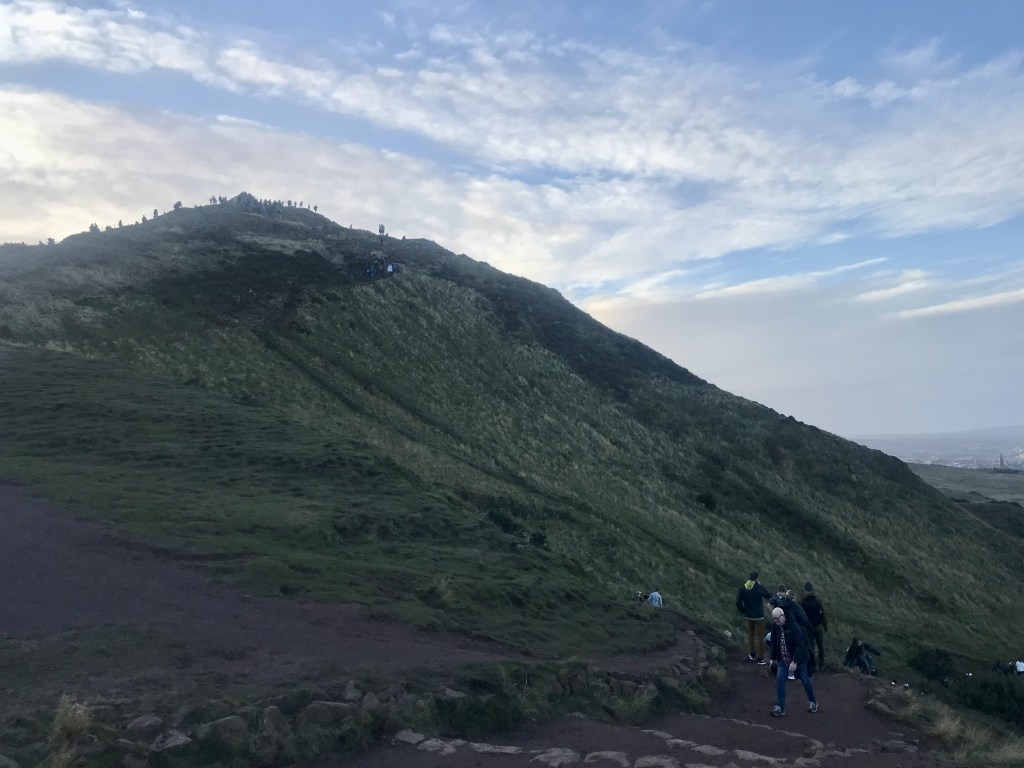
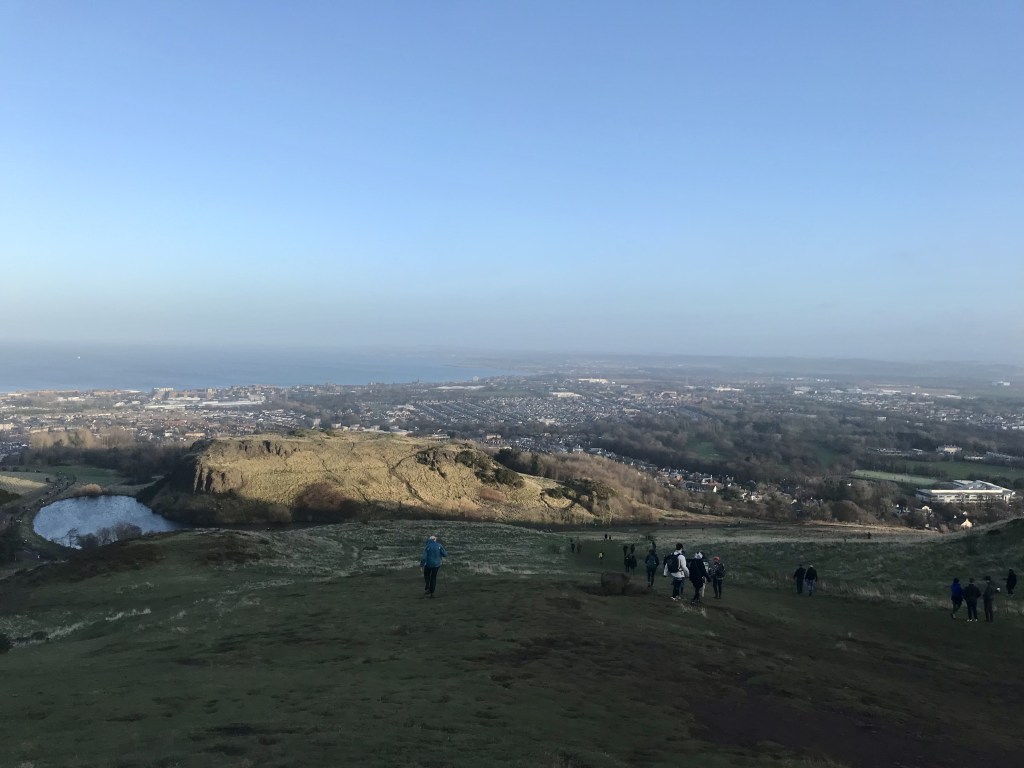
A trip to Edinburgh is arguably not complete without a walk up Arthur’s Seat. We joined the hundreds who clear their foggy heads from a night of partying, with a walk up this iconic landmark. I’ve done this walk a few times now but never horrendously hungover as I was…there’s a first for everything but I won’t be doing that again! There’s perhaps no better tonic for a sore head than some fresh air and Arthur’s seat certainly rewarded our efforts with spectacular views over the city below. On this occasion I decided not to venture to the top having done so previously, but it is definitely worth doing on a clear day. Arthur’s Seat is an uphill climb and in certain weathers can be a little challenging underfoot but if you feel able to walk even part way, the views are well worth it!
Where we ate
Edinburgh is home to not only a wealth of history, landmarks, attractions and green spaces but is a foodie’s dream too. Whatever your favourite cuisine, you’re bound to find something to tickle your tastebuds. A few of our favourites include:
Ciao Roma for authentic Italian food (it gets the rare nod of approval from my Italian friend, so must be good)
Scran for any type of appetite. The Mac n Cheese in particular made a good impression as I can still remember it a year on.
Stack & Still to satisfy your sweet tooth with American-style pancakes. There’s a range of toppings and variations available so there’s something for those who prefer their pancakes savoury too… or if you fancy both.
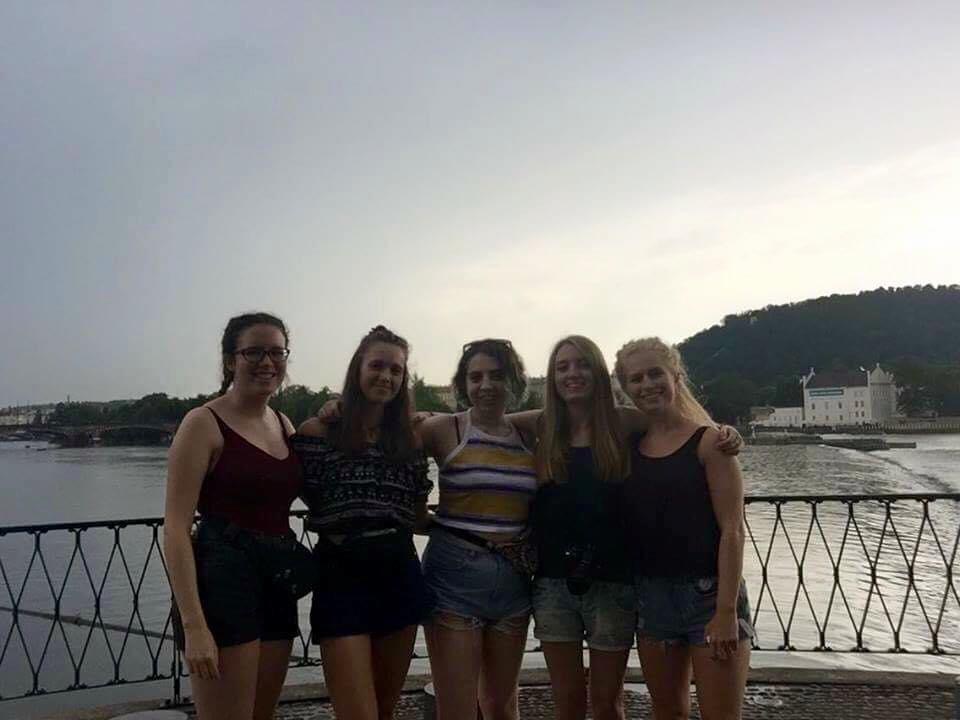
In July 2016, having just finished my A-Levels (UK higher education exams) I did what many 18-year olds do when at last able to let off steam from the relentless assessments and stress of A-Levels; I went on my first non-family holiday. As a college-leaver in the UK, most 17/18-year olds looking to make the most of their long summer will likely choose either between a party island (such as Magaluf or Aiya Napa) or to interrail Europe. Whilst as a teenager I loved few things more than a night out, my friends and I opted to interrail Europe.
Why Interrailing?
Interrailing offers the best of all worlds, whether you love exploring new cities and cultures, you’re a foodie, a history geek or a party animal, interrailing has got you covered. Possibly the best thing about interrailing is the flexibility it offers. An interrail pass can take you to 33 different European countries, allowing you to truly explore all that Europe has to offer. This means that while you can check off Europe’s favourite cities such as Paris and Rome, you can also explore off the beaten track and get to know Europe’s best kept secrets.
For all budgets
Interrail offer several different pass types. With this in mind, you can select a pass that lets you explore without breaking the bank but that nevertheless still allows you to check out several different destinations. This is the USP of interrailing, you can get from A to B to C and so on, with ease and without needing to splash the cash as you would with other modes of transport. Interrailing is really the best way to explore several places in one trip and see beyond Europe’s capital cities.
Pass types
The Global Pass
This option has several different timeframe options such as 7 Days in One Month (ie you can have unlimited train travel on 7 days of the month you select), 5 Days in One Month as well as these options for 2 months and a 3 month option.
Offers the flexibility to explore multiple countries.
Requires some planning and forethought as the pass you require will be determined by how many destinations you want to visit, your budget and how much time you have.
Youth discount (12-27)! Youth and child tickets are available at cheaper prices, which is why it is so popular with college leavers.
There are First Class and Second Class options available.
Some trains (such as night trains) require a reservation. This means paying a fee on top of the price you pay for the pass.
Popular trains might need booking in advance to ensure you get a seat/bed.
The Interrail Pass does not cover all trains in Europe so make sure you’re on a train that’s covered, or you might be fined.
Have your pass easily accessible at all times as you will often be asked to show it.
Planning vs Flexibility
Should you…
A. Be organised and plan your trip so you know exactly when and where you’re going and staying
OR
B. Leave it to the last minute, even whilst you’re on your trip and see how you feel
It can be difficult to strike the right balance between the two and what’s right for you will ultimately depend on the kind of person you are.
My friends and I spent what felt like several months planning our route to ensure we were all happy with where we were going and how long for. This meant that we were able to book flights and our hostels prior to departure and generally speaking, before it was only the expensive options left. However, if flexibility is a bigger priority for you than budget, then you might want to leave it to chance and make the big decisions about where you go next, just before you go or whilst you’re actually on the trip. This might be particularly doable if you decide to camp your way around Europe instead of staying in hostels. Just bear in mind that you might end up paying more and losing exploring time to last minute planning.
When to go
In general, the weather can be unpredictable in Europe. It’s for this reason that summer is the peak season for Interrailing. However, this also means trains get booked up faster and your trip is generally going to be more expensive. Despite this, I would recommend travelling in summer because many budget activities are likely to be outdoors (surely few people like exploring in the rain?) and there’s fewer weather-induced travel complications. While it is busier in summer, this isn’t necessarily a bad thing as it means you’re more likely to meet and strike up friendships with other travellers in hostels.
This being said, if a bit of wind, rain and unpredictability won’t dampen your spirits, then consider planning your trip for winter or autumn, save some money and avoid the crowds.
Our route
This series of posts will follow the different cities I stopped off in whilst interrailing
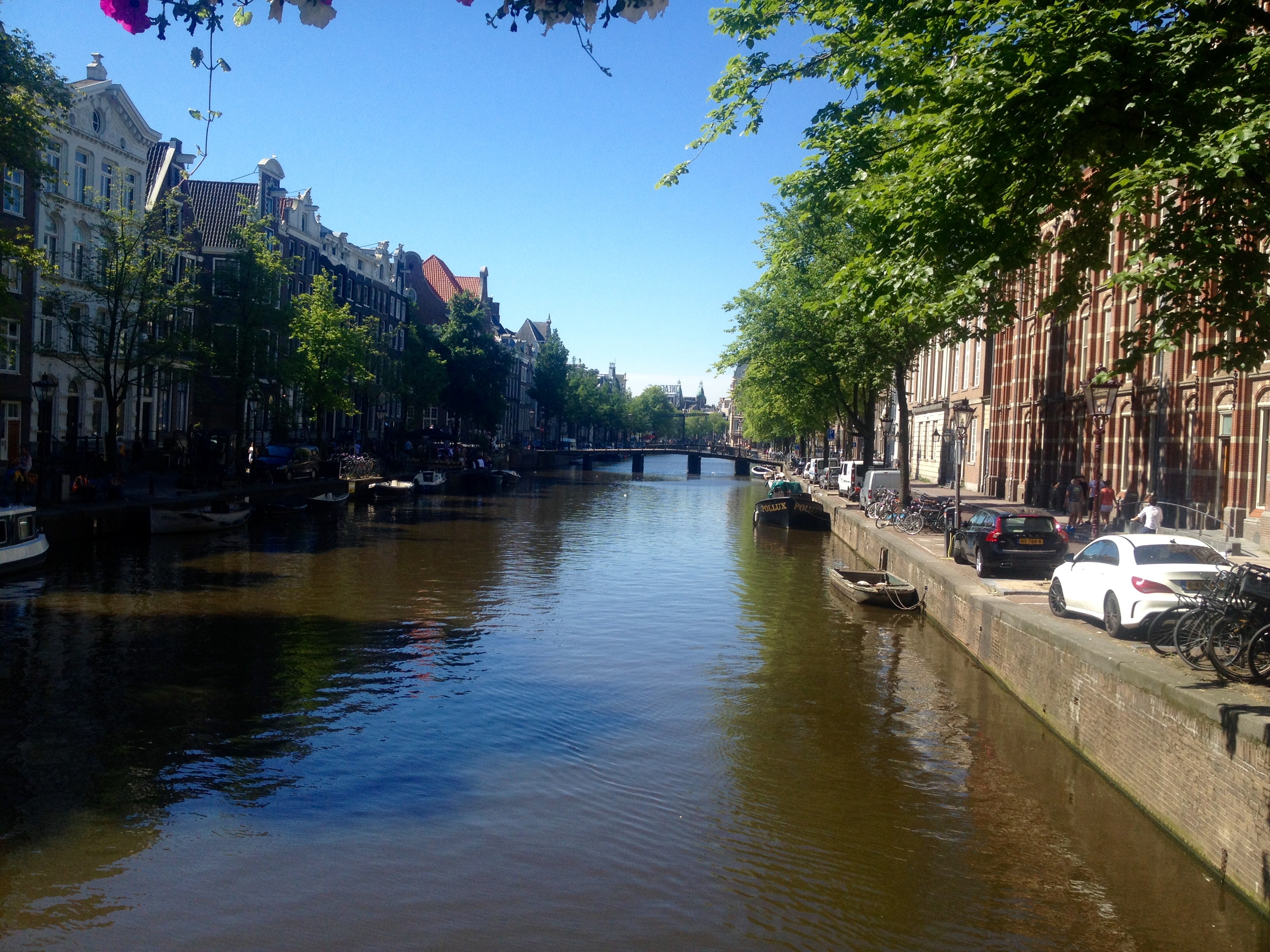
London to Amsterdam (flight)
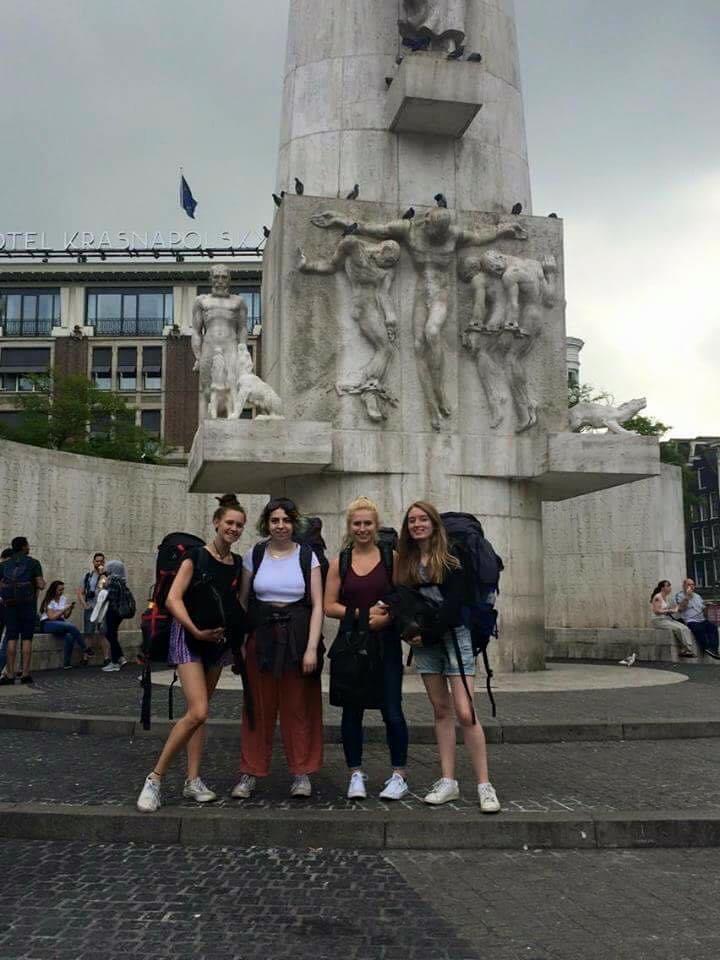
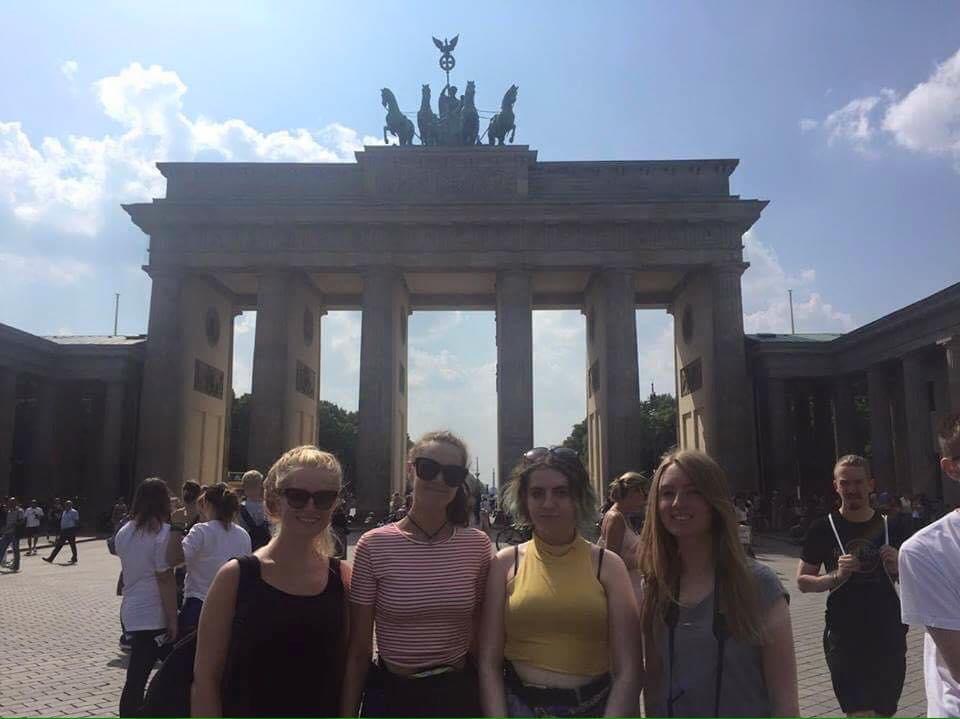
Amsterdam to Berlin
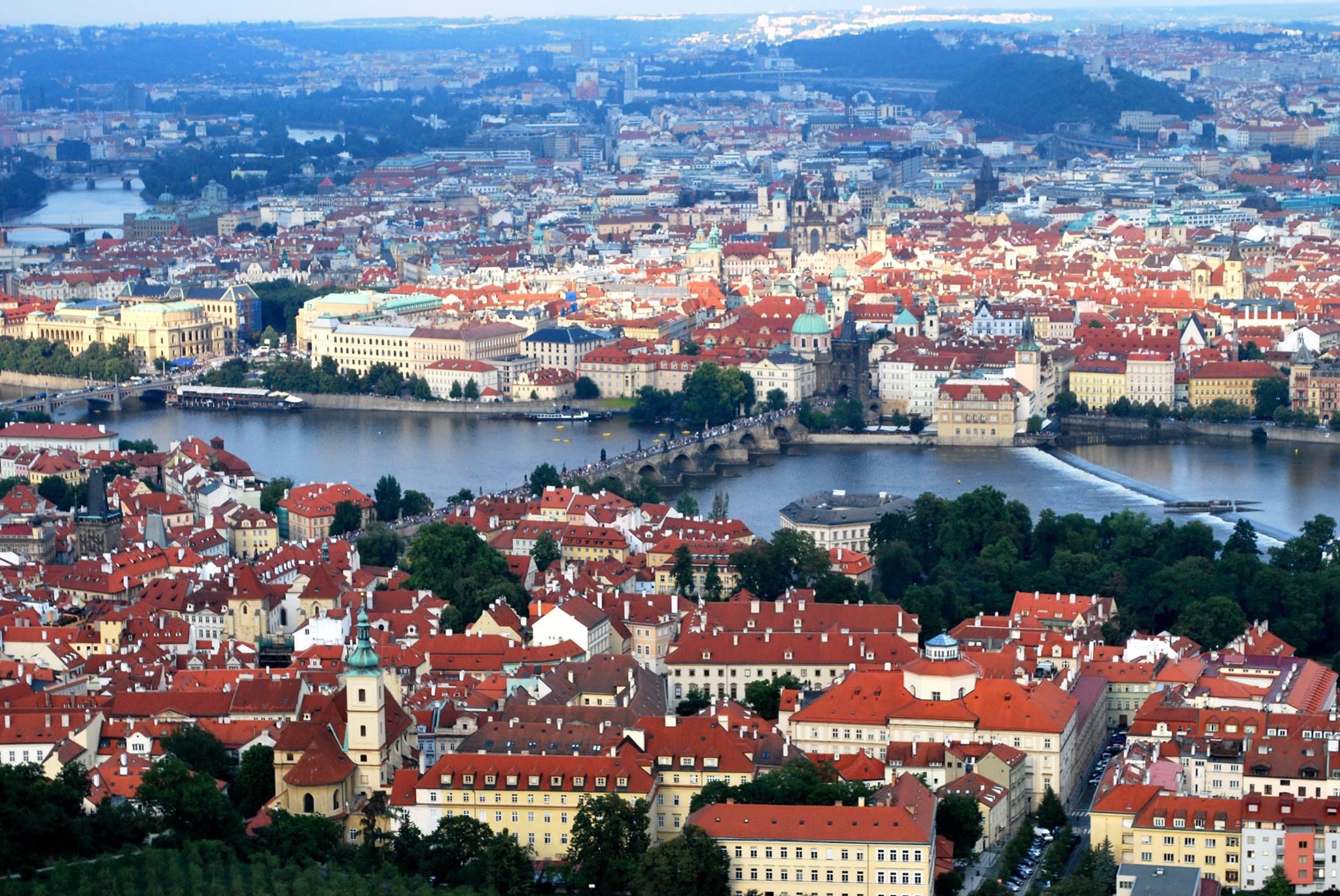
Berlin to Prague
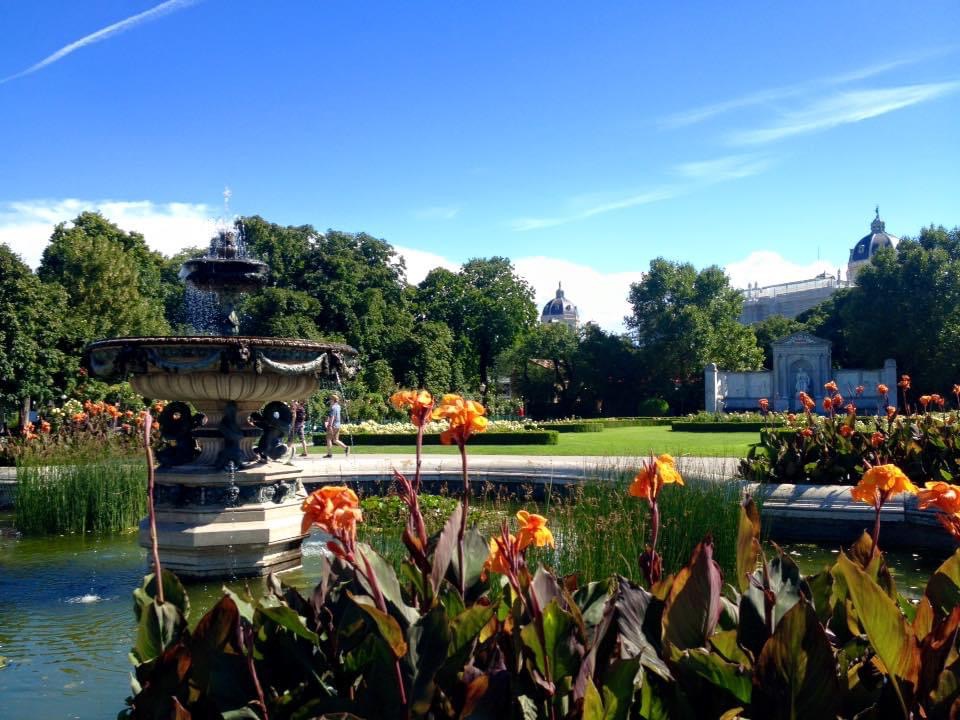
Prague to Vienna
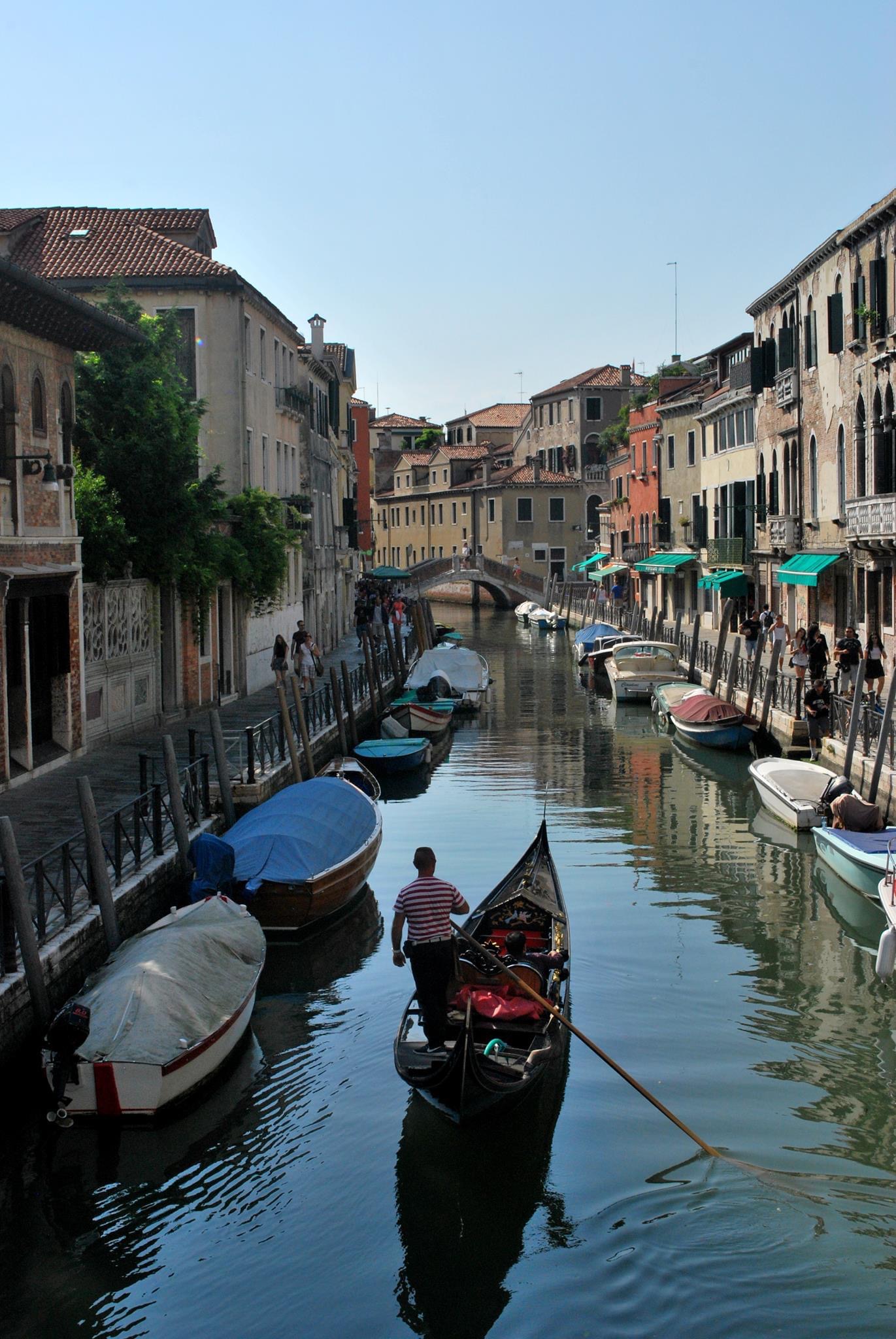
Vienna to Venice
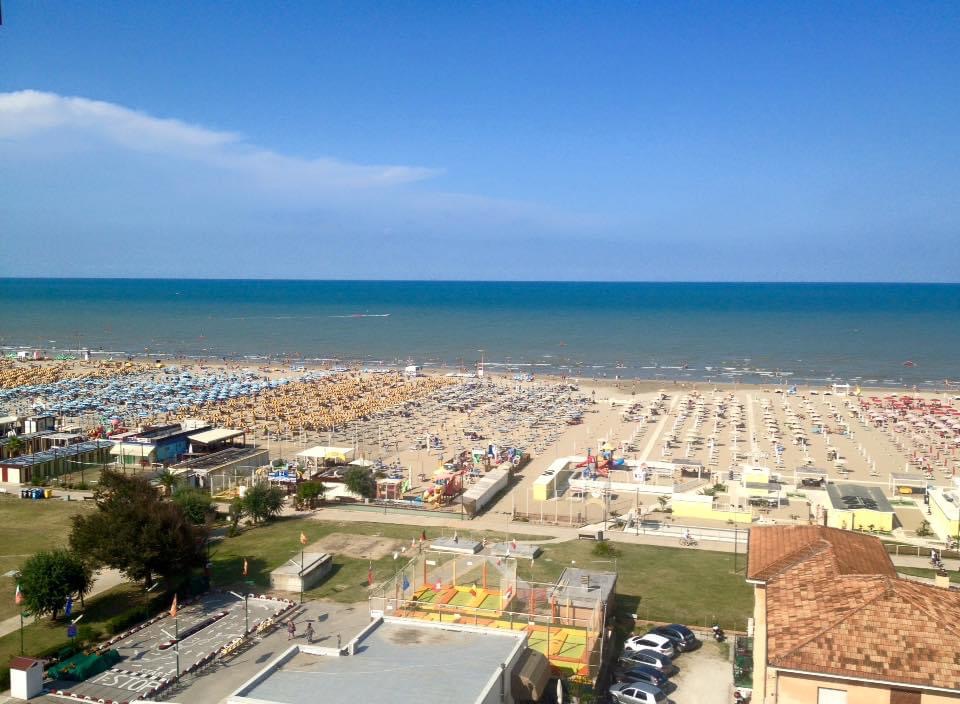
Venice to Rimini
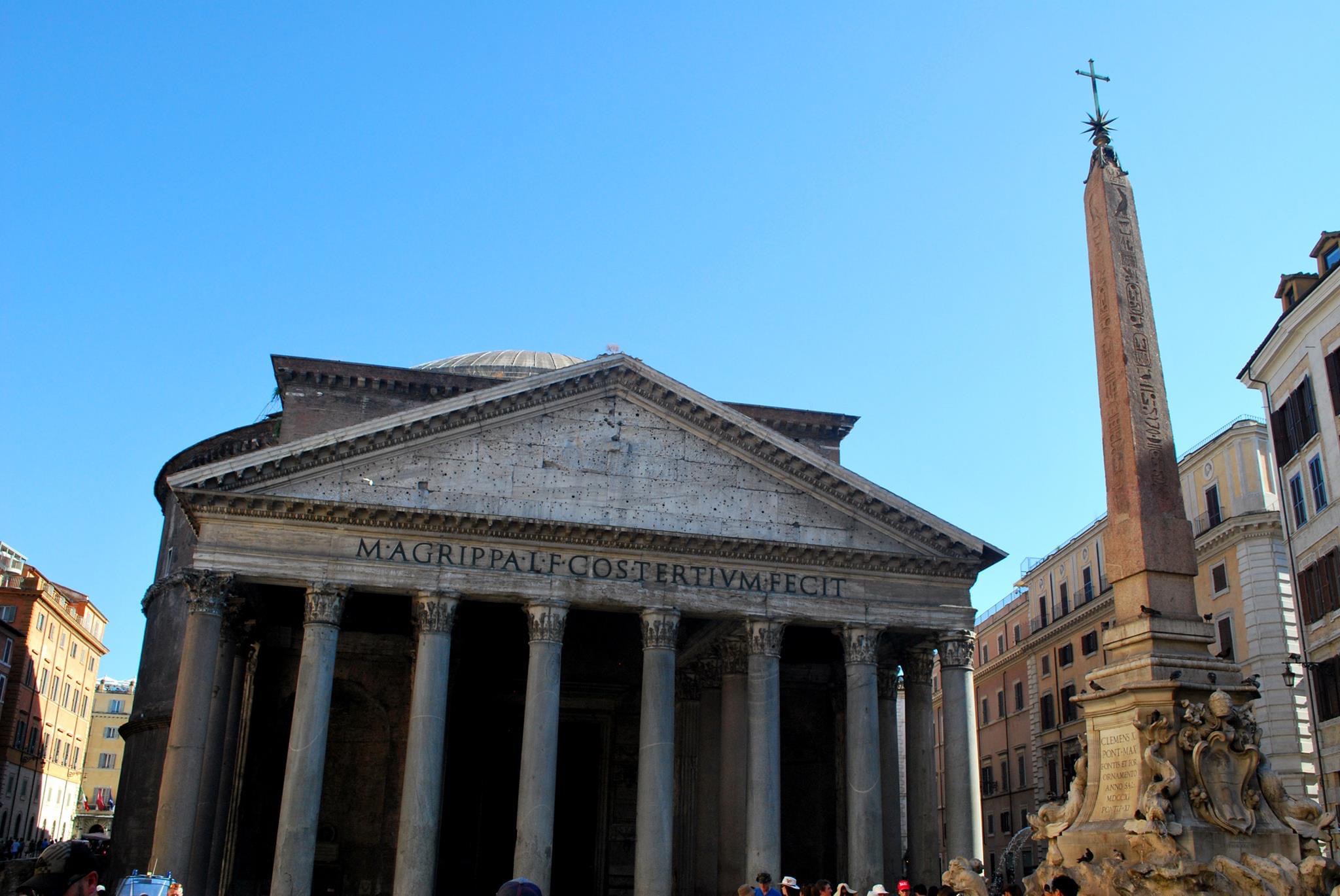
Rimini to Rome
Rome to London (flight)
In total, I spent just over 2.5 weeks travelling Europe and while we didn’t exactly do it in the traditional interrail style (we ate out every night and stayed in a couple of cheap hotels at the end) it also didn’t break the bank.
Four years and several travels later and Interrailing remains one of the best times of my life.
It is almost a year ago since my stopover in Singapore, so I thought it was an apt time to write my first post about this beautiful city. Singapore is a sovereign-island city-state that looks as though it belongs to a future age. Resembling something from a sci-fi film, it’s perhaps not surprising that Singapore is expensive (and that’s coming from a Londoner!) Singapore was our layover stop on the way back to the UK, from Bali. This notoriously expensive city might seem like an odd choice for two students on a tight budget, but its high prices certainly didn’t dampen our enjoyment of the expansive experiences the city offers. You don’t have to break the bank to get a feel for what makes this city special; it is a place that caters to all. The city’s amazing architecture and outdoor spaces bring together the natural with the new and in my mind, the striking culmination of the two is what sets Singapore apart from other modern cities.
Marina Bay Sands
When talking about a budget trip to Singapore, Marina Bay Sands might seem like a contradictory place to start. However, no trip to Singapore would be complete without a visit to Marina Bay Sands and for me at least, it is what helped to put Singapore on the map. This is clearly felt by the media too, given Marina Bay Sands is a major feature when filming the city, such as in Crazy Rich Asians and Race Across the World.
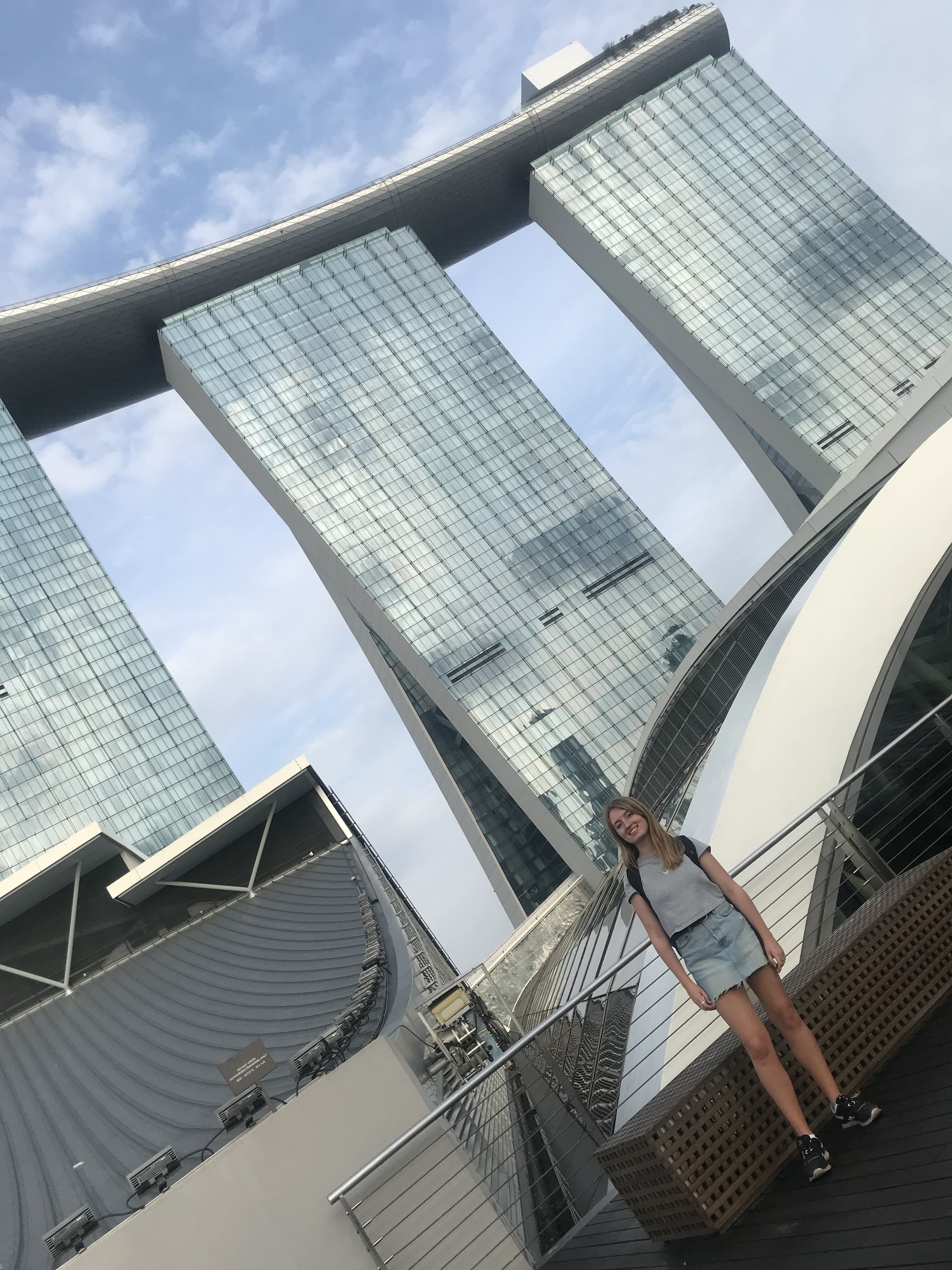
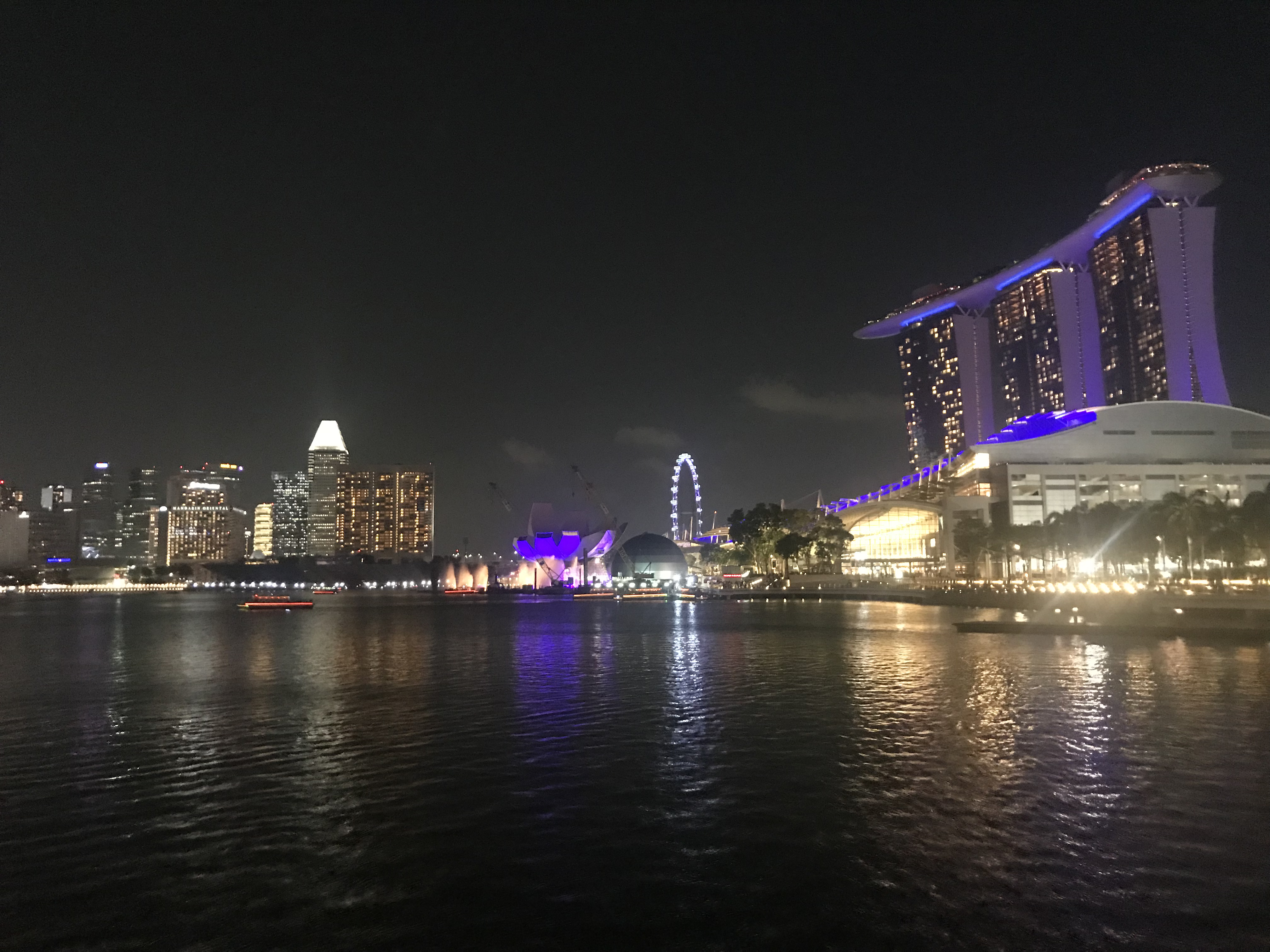
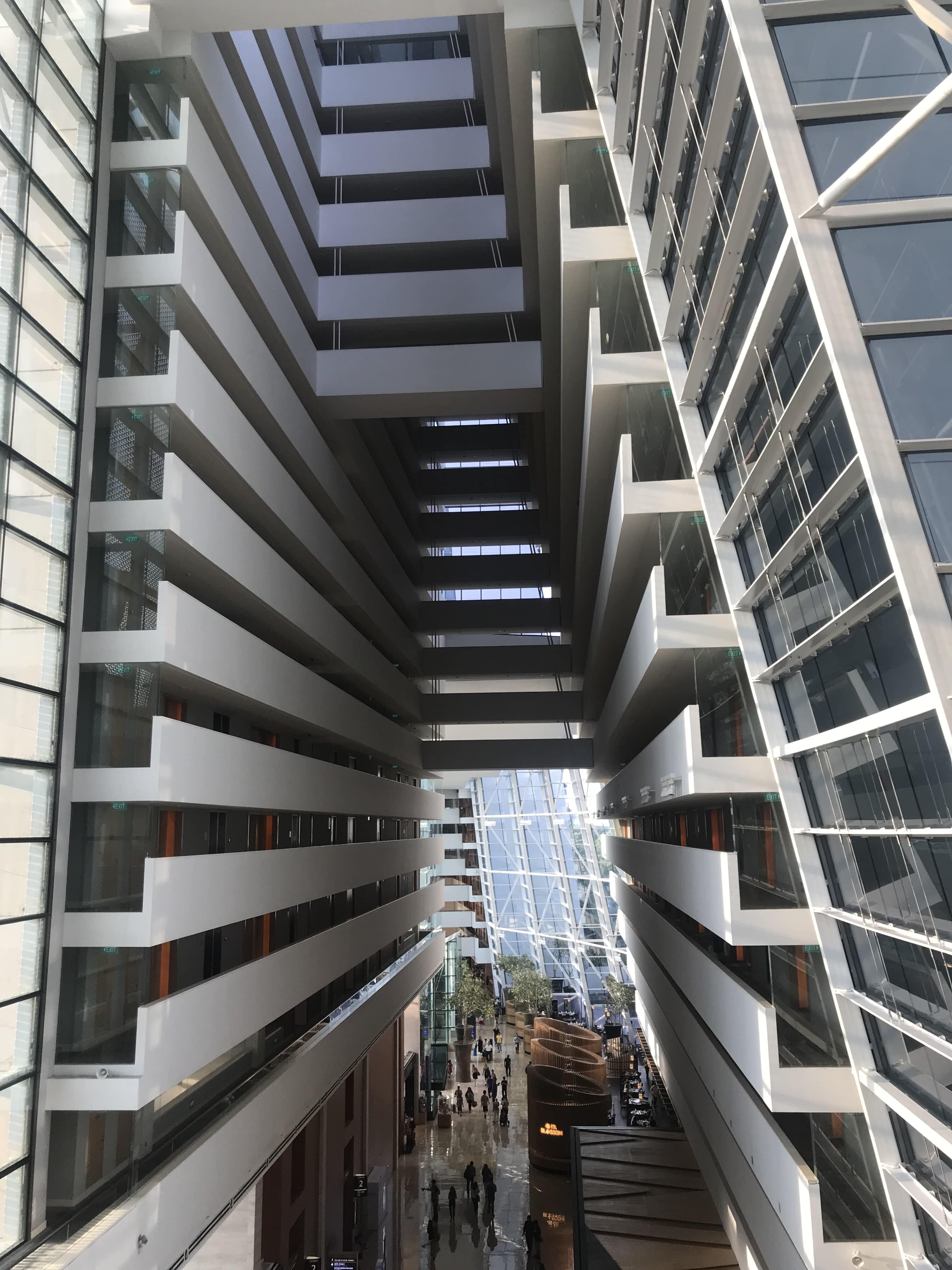
The Marina Bay Sands complex is comprised, primarily, of a mall, casino, convention centre and hotel. But it is not so much its contents but its design that is awe-inspiring. The iconic building cost $5.8 billion and its visual display is also staggering. Three imposing, slanted tower blocks ascend high into the sky and are linked at the top by the SkyPark, which extends a further 65 meters out from the side of the towers and 57 stories above ground. The SkyPark is home to the famous Marina Bay Sands infinity pool alongside award-winning dining, bars and a running track.
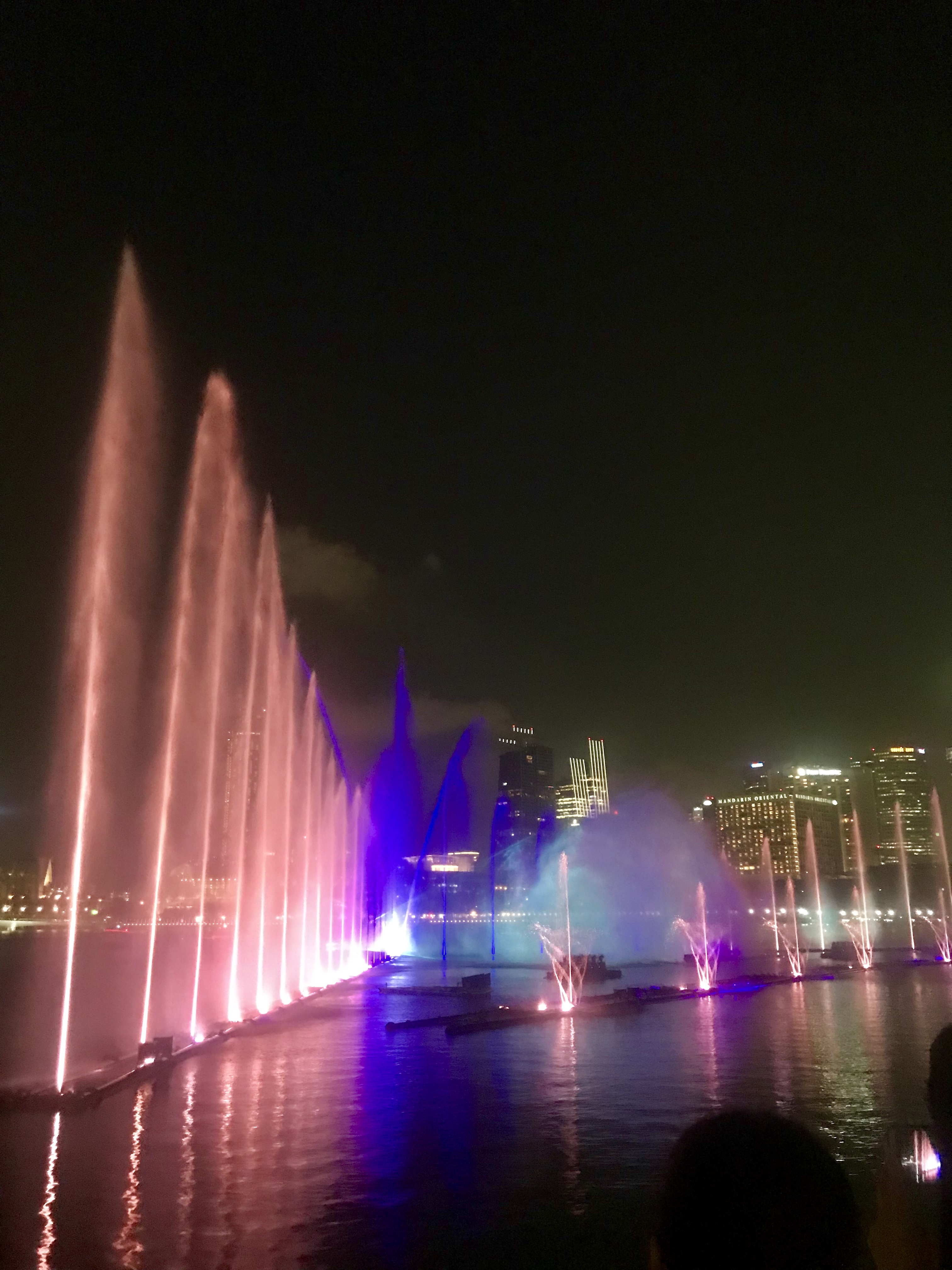
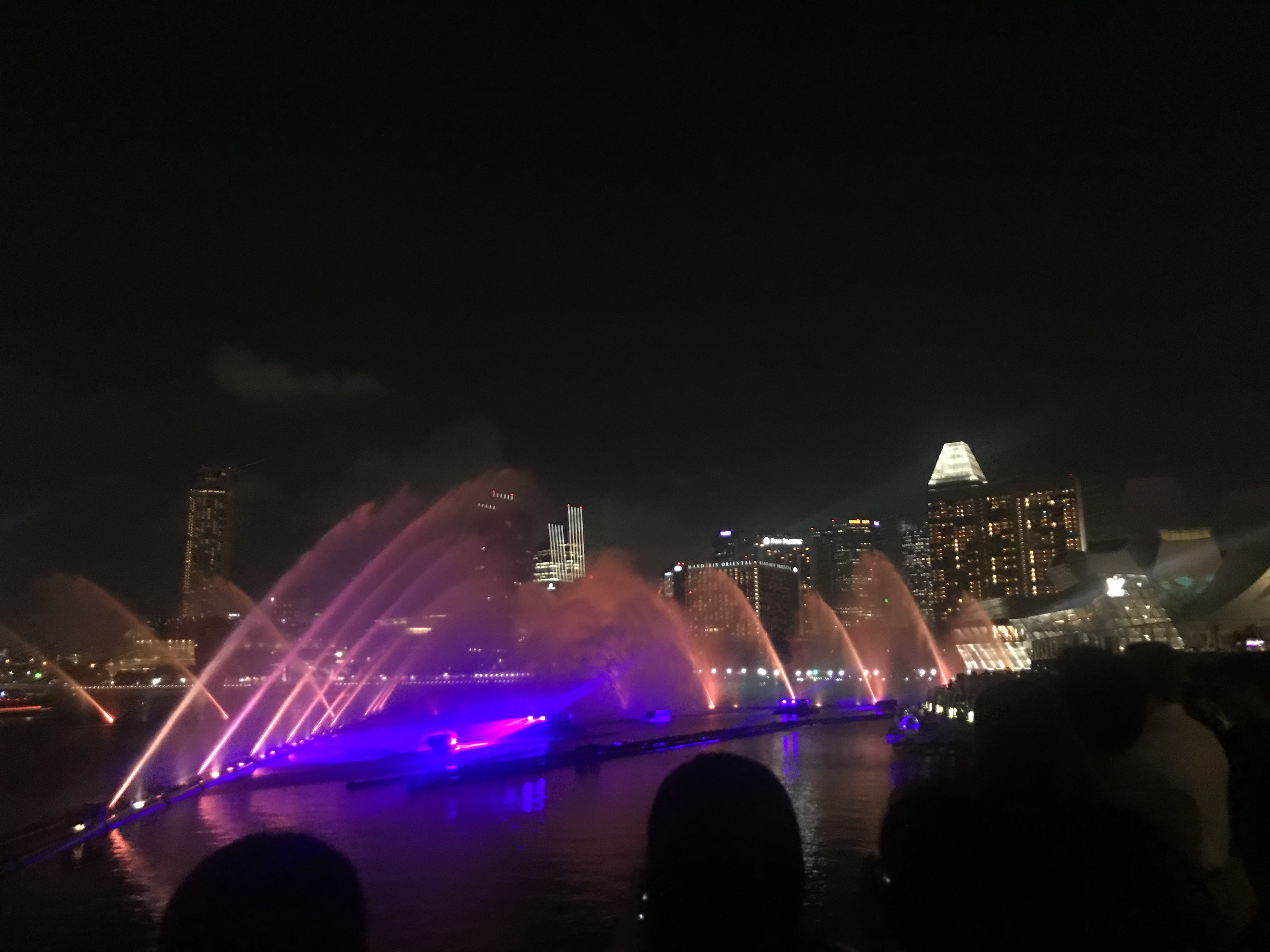
However, you don’t have to spend an astonishing amount to marvel at the Marina Bay Sands. For those not able to splash the cash, the mall and grounds of the Marina Bay Sands are well worth a look, as are the free events put on by the ArtScience museum also in the Bay area. However, at S$23, it’s not too expensive to visit the Marina Bay Sands SkyPark for an unbeatable view across the waterfront and the city. The Marina Bay also puts on nightly light shows (Spectra Light Show) at 8pm which using fluorescent lasers, light up the water and sky against the picture-perfect backdrop of Singapore’s CBD skyline.
The Marina Bay Sands and the waterfront setting in which it sits perfectly encapsulates what makes Singapore special.
Singapore Night Zoo
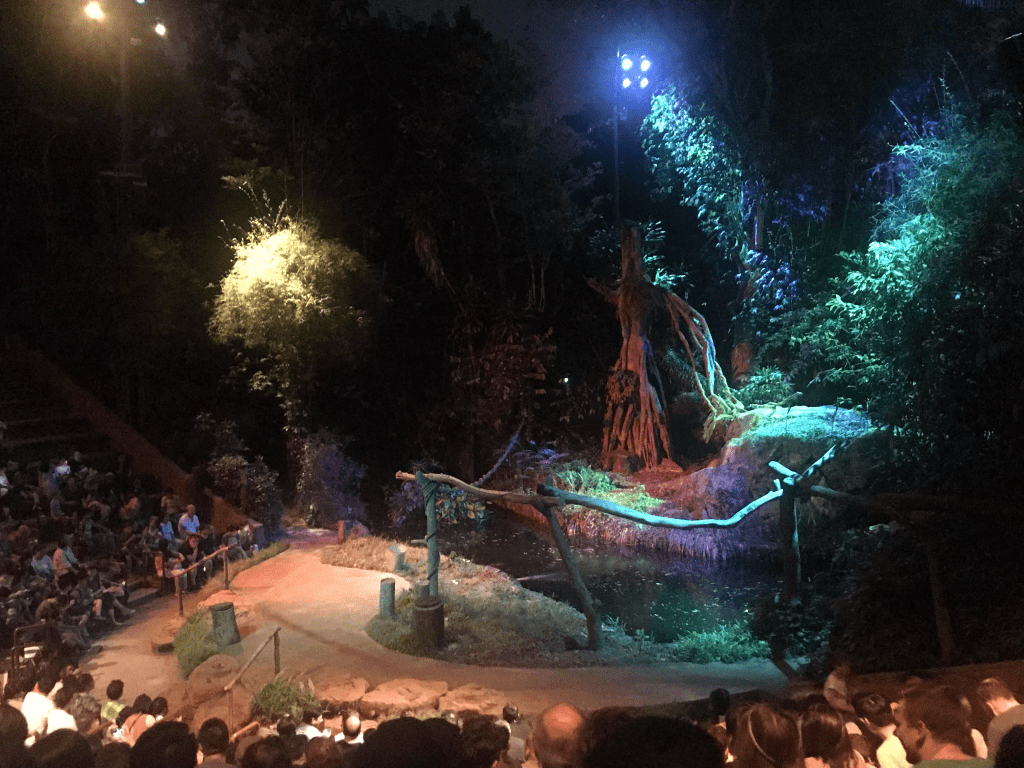
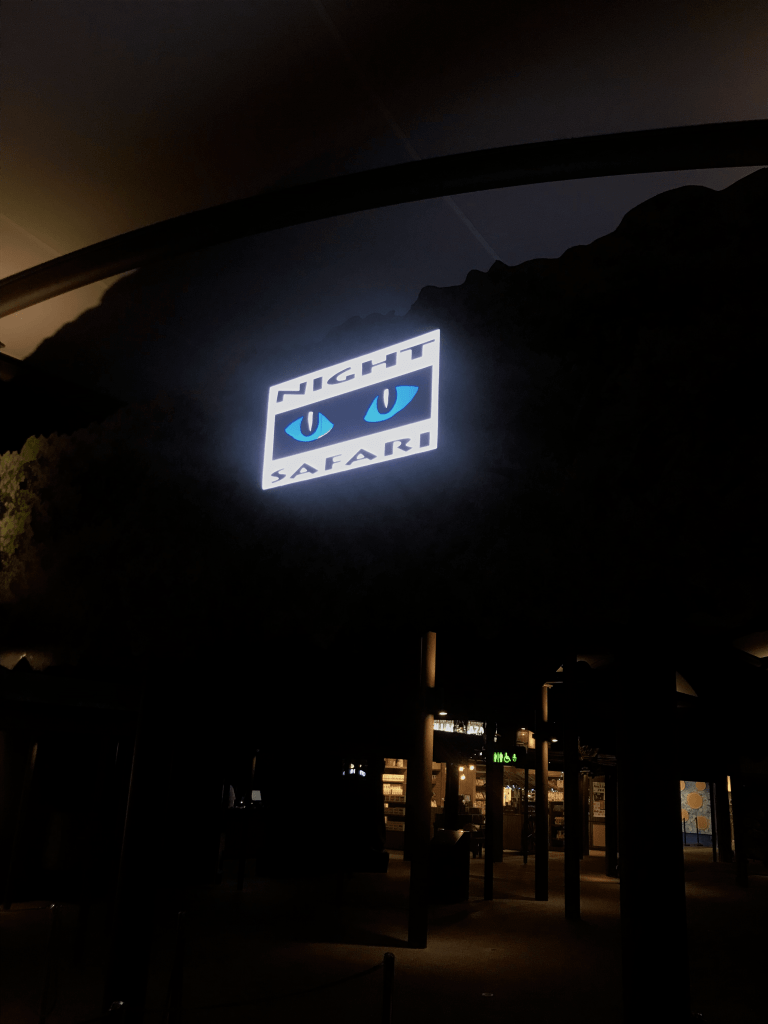
My friend and I visited Singapore’s Night Zoo off the back of two recommendations, one from my family and one from a friend, a Singaporean herself, so we knew it must be worth a visit. Many major cities have zoos of course, but far fewer offer a night-time safari experience, as Singapore’s does. Singapore Zoo’s Night Safari was the world’s first nocturnal safari park. Seeing the zoo and its animals at night offers a unique experience; contrary to in the day, lots of the animals are up and moving about. The evening began with a show, followed by us boarding a safari train, which, as it takes its course through and past various enclosures, is accompanied by commentary about the animals and the zoo. However, the safari train does stop at each point, so you don’t feel rushed to see the animals or only see a blur as you hurtle on by. After the safari train experience, you’re free to explore the park at your own leisure and there are multiple trails to follow. Despite being a very popular tourist attraction, the park nevertheless seemed surprisingly quiet at this time of night, which made the experience more enjoyable and perhaps a little more authentic too. However, as a result of this, when I heard an animal noise coming from somewhere near my head, I absolutely jumped out of my skin and practically into my friend’s arms – entertaining though!
At 35-hectares with 900 animals and approximately 100 different species, the park is well-worth a visit in either day or night. However, my advice would be to take advantage of the unique Night Safari experience and jump aboard the safari train. At S$40.80 for an adult, this is the most expensive activity we did in Singapore, but this is comparable with zoos across the world and it’s not every day you stumble across a nocturnal safari park.
Food Centres
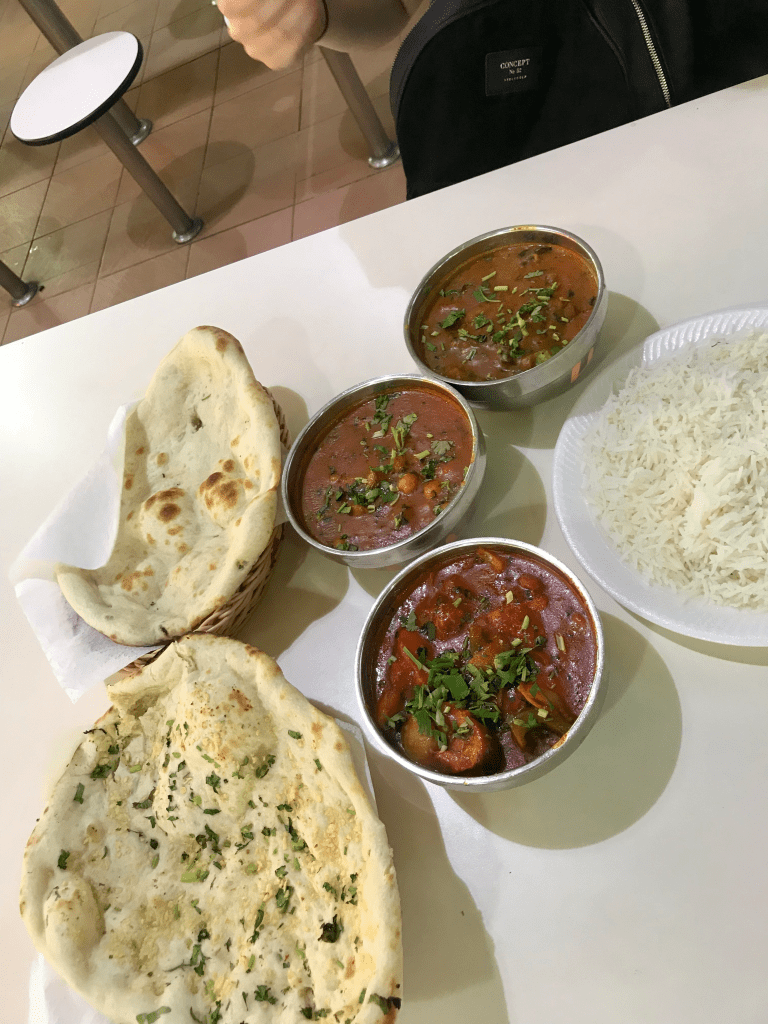
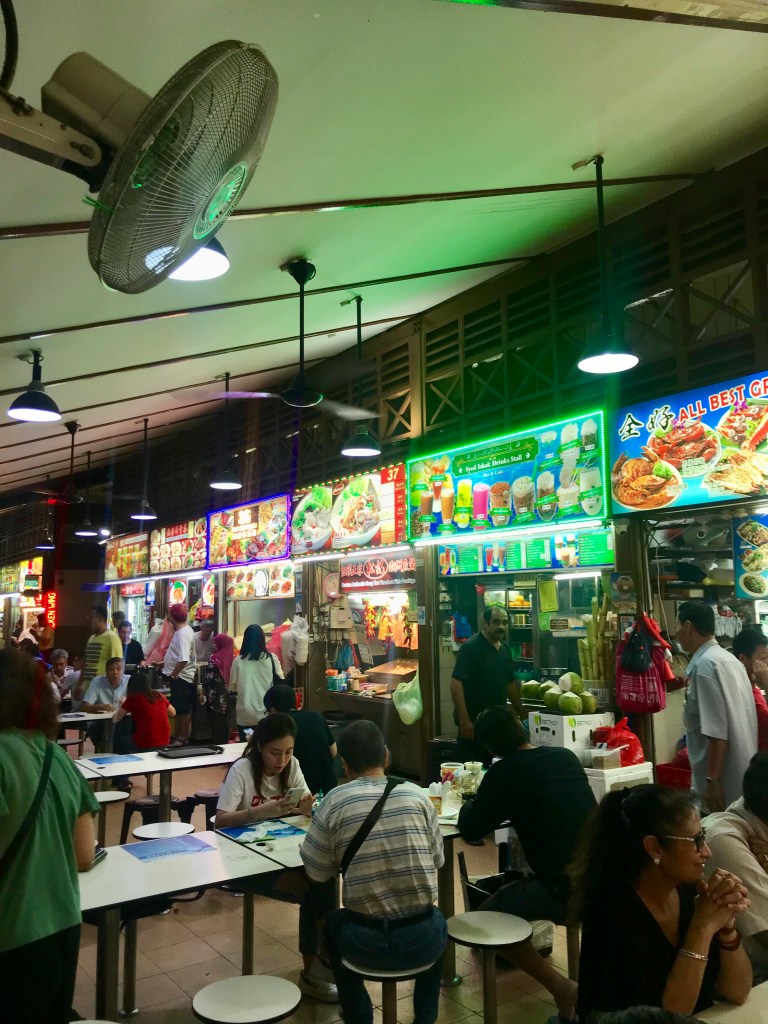
Singapore’s food centres are a great way to not only save money, but importantly, to experience authentic Singaporean cuisine, amongst a range of others. We went to two food centres during our short trip to Singapore, my favourite of which was the Newton Food Centre. There was so much to choose from that we spent a good half an hour wandering around trying to make up our minds, though it doesn’t help that we’re both incredibly indecisive. There are cuisines from across the world, so you’re really spoilt for choice whatever kind of foodie you are. There are also a surprising amount of veggie and vegan options. With so much on offer and at cheap prices, if you’re in a group it might be best to get a few different plates for sharing. Aside from the cheap and tasty food, the food centres are bustling, busy places which have a great vibe and are the perfect place for a pit-stop.
If you want to make the most of all that is on offer, it is best to get there at a reasonably early time in the late afternoon or evening. Our first experience was a little underwhelming solely because we arrived too late (after a very busy day!) and so many stalls had already shut up shop for the day.
Gardens by the Bay
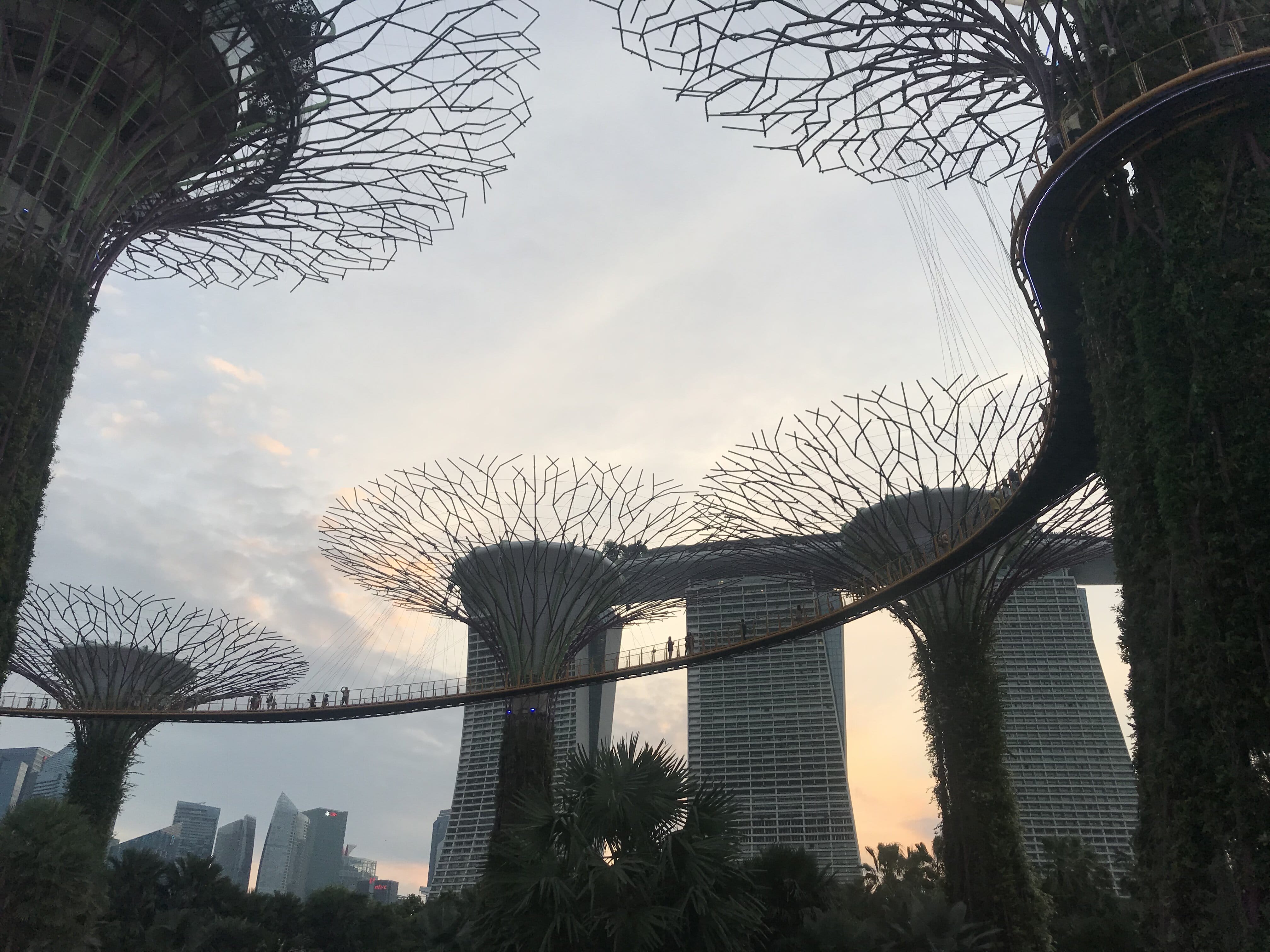
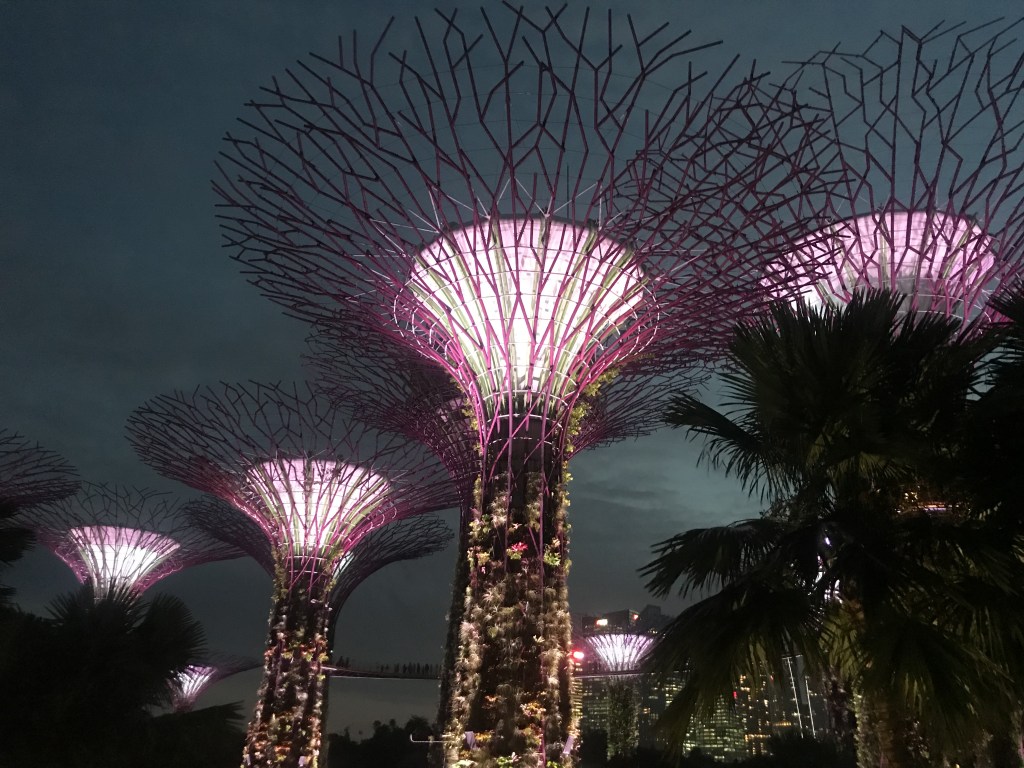
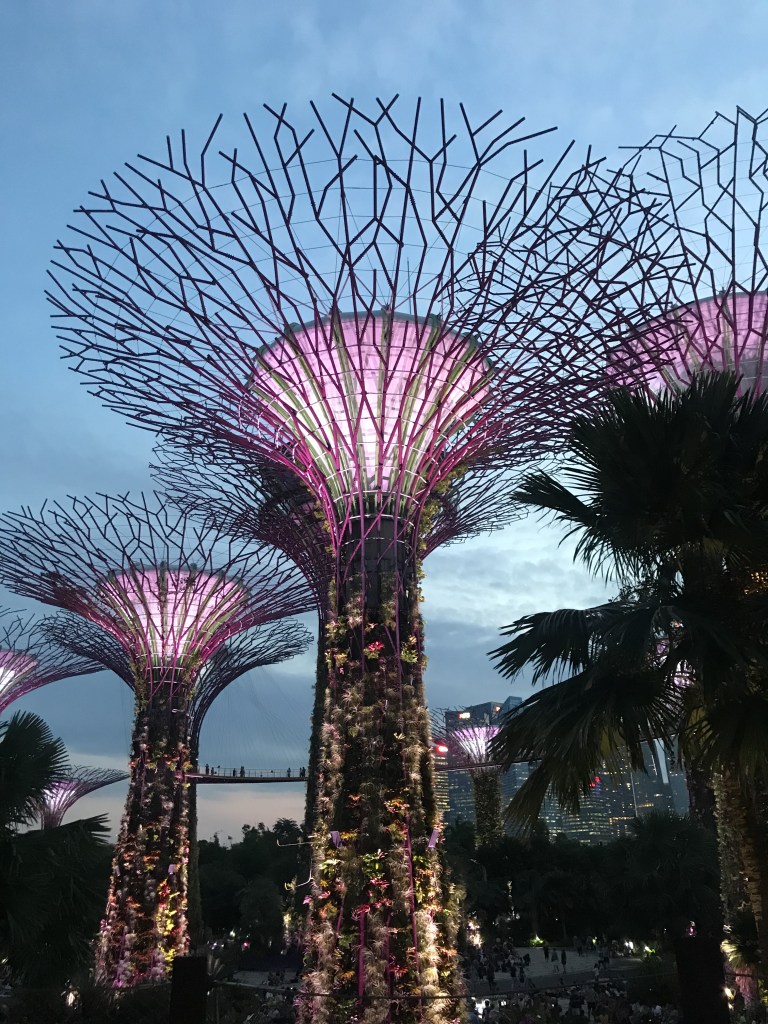
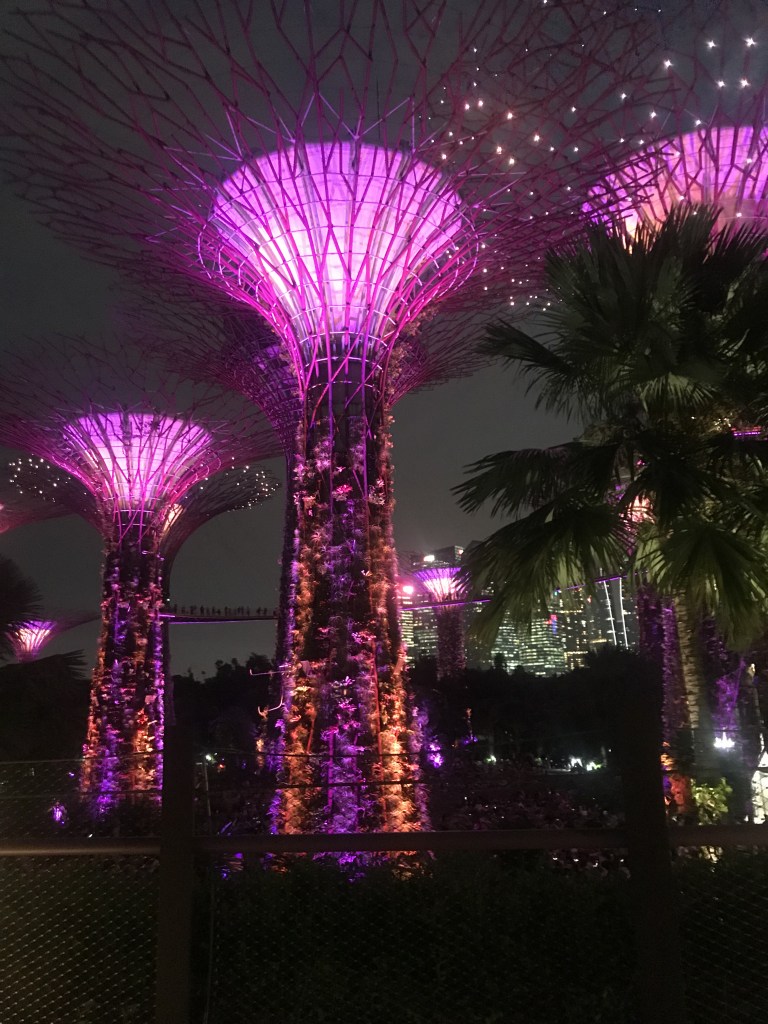
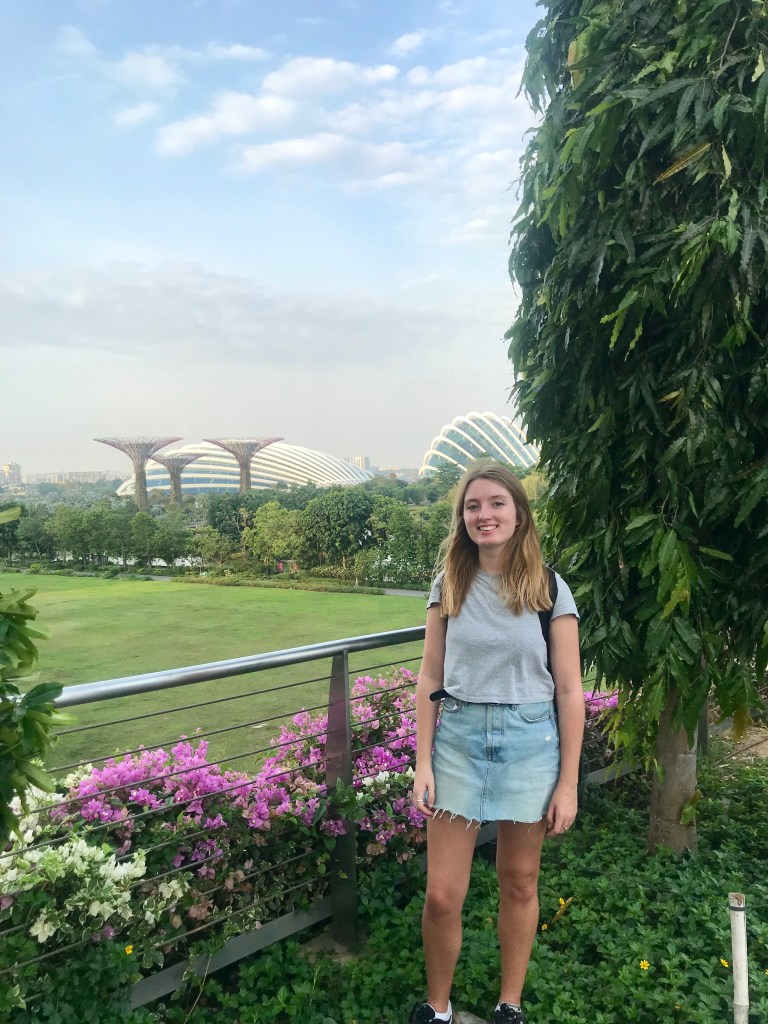
Alongside Marina Bay Sands, the Gardens by the Bay are likely Singapore’s most photographed and popular attraction. This is not surprising given its beautiful and impressive display of lush greenery coupled with modern architecture. Gardens by the Bay is a nature park of 101 hectares in the heart of Singapore. This green paradise offers surreal architecture alongside diverse lush gardens. The most striking sight in the Gardens by the Bay would have to be the Supertree Groves, which is where modern architecture meets nature in the form of iconic man-made trees that tower above at 25-50 metres tall. Aside from their unique and startling appearance, the trees also offer shade in the day and come alive at night as part of the spectacular free garden rhapsody light and sound show. Admission to the Gardens by the Bay is free but for a small fee you can enjoy the views from up high via the OBCB Skyway which is a walkway connecting the trees. From the Supertree Groves you can also get postcard perfect pictures of the Gardens by the Bay and the famous Marina Bay Sands in one shot.
Singapore Botanic Gardens
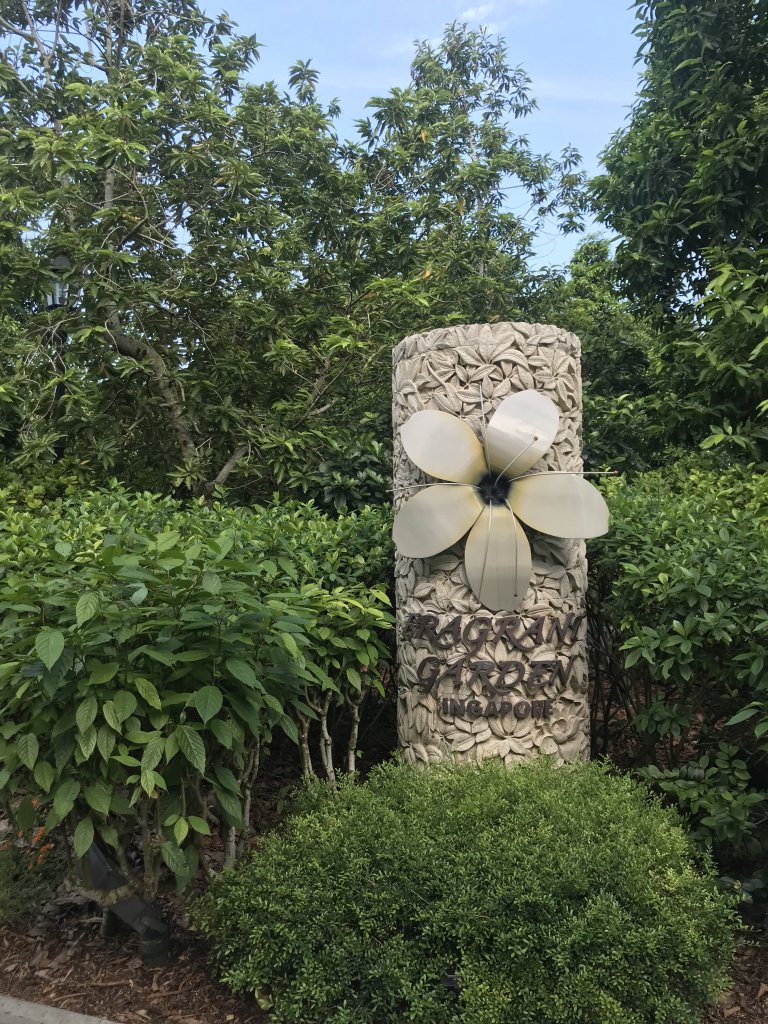
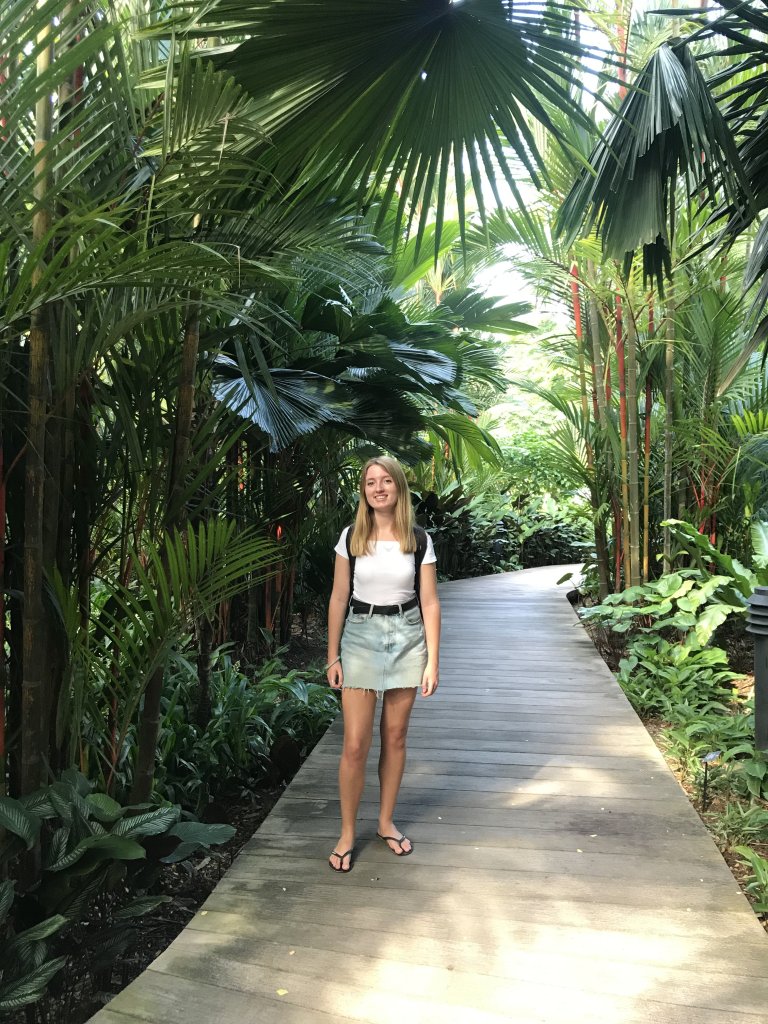
If you hadn’t already got the impression that Singapore is a garden city, there’s also Singapore Botanic Gardens to consider. Singapore’s Botanic Gardens are a UNESCO World Heritage site, and regardless of whether you’re a budding gardener or a flower enthusiast, everyone can enjoy the calm and colours offered by this vast green space. Admission to the garden is free and there are several different gardens you can peruse. Alternatively, you can find a shady spot for a rest in the tranquillity.
Darwin is the capital city of Australia’s Northern Territory. The Northern Territory or Top End has a tropical climate meaning it only really has wet and dry seasons. Visiting in mid-November however, we experienced something in between the two and were welcomed by Darwin’s monsoon as soon as we stepped off the plane. Darwin is not only characterised by its tropical weather however, but also by its wealth of history and outdoor wonders.
Darwin city centre and historic past
Our hostel was a short walk from Darwin’s city centre, and as cities go, Darwin is a small and quiet one. It doesn’t take long to explore Darwin’s city centre but there are a fair few things to discover along the way.
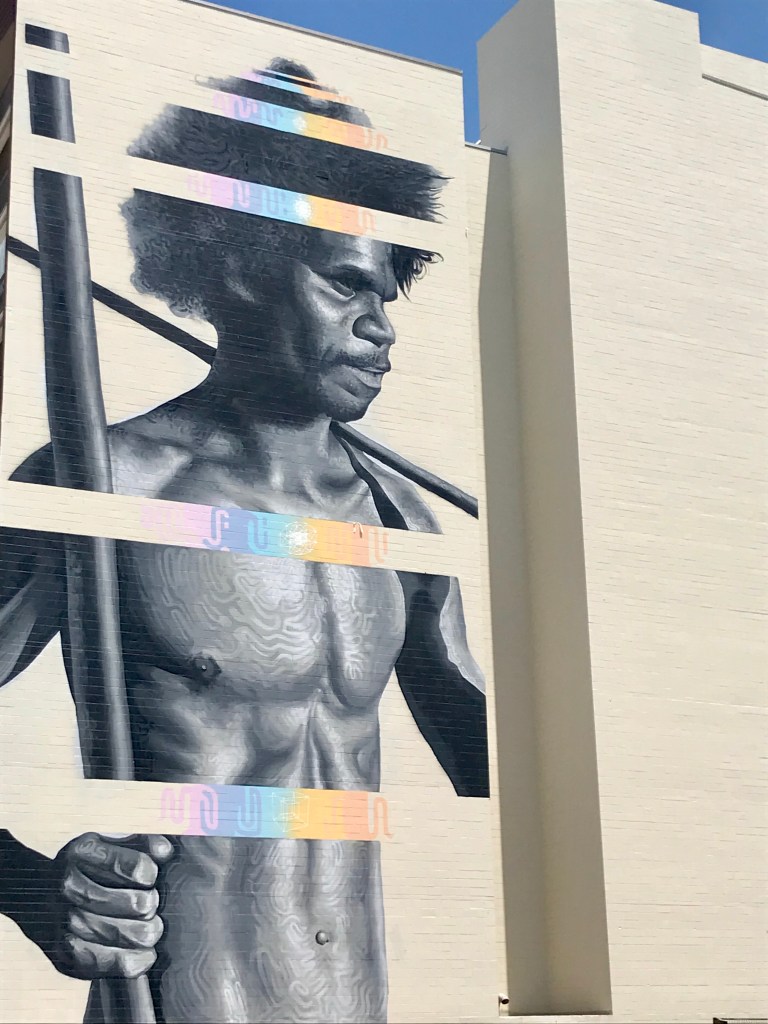
The traditional owners of the land are the Larakia (saltwater) people and Darwin has a strong connection to its routes. This is evidenced in its culture; the many languages spoken in the streets and the artwork that adorns buildings and walls (which reminded me somewhat of Melbourne) throughout the city. The city is also home to museums and galleries where you can learn more about Darwin’s indigenous origins.
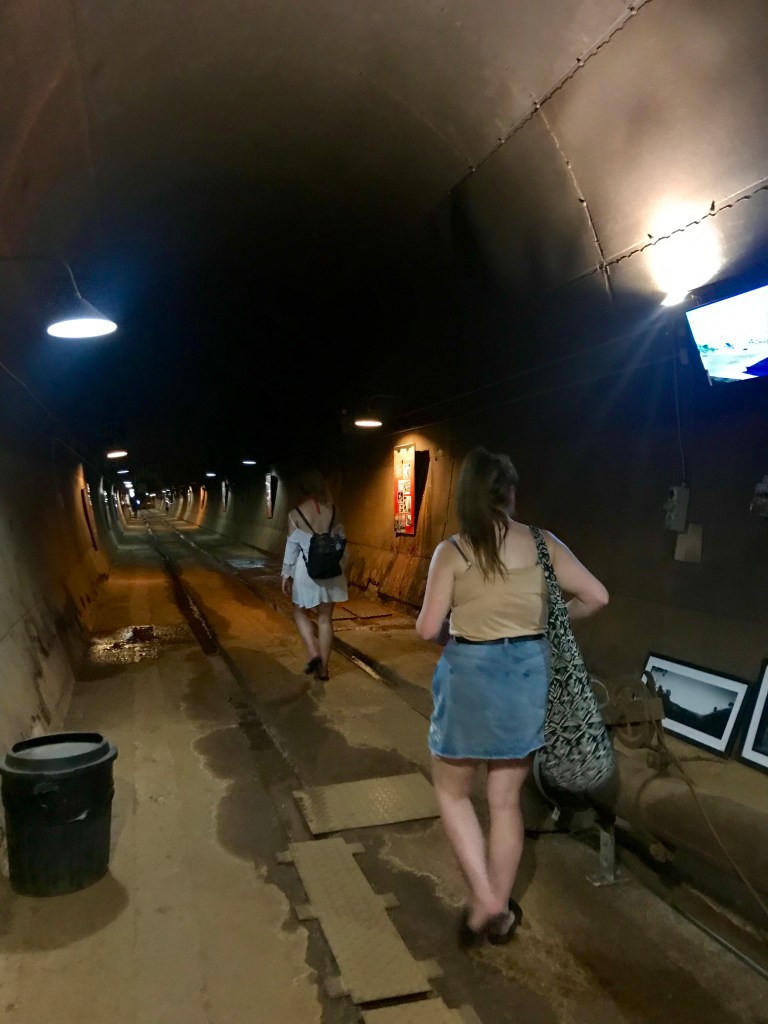
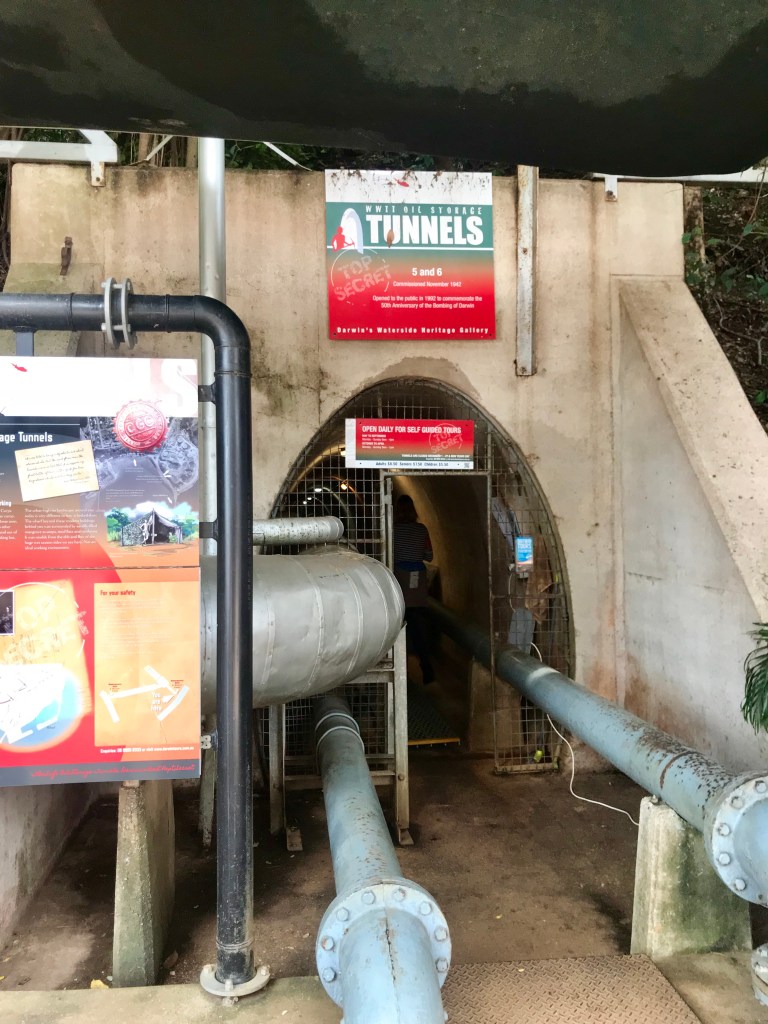
Little known to many people though, is Darwin’s connection to World War 2. As we explored the city centre, we discovered Darwin’s WW2 tunnels and paid a few dollars entry to explore them and learn more. As something of a history geek, this was an interesting experience; I have learnt lots about the second world war, but never from an Australian perspective. There are numerous information bulletins as you make your way through the 127-metre-long tunnels. As we discovered from this experience, in Feb 1942, bombs fell on Australia for the first time, with the city of Darwin experiencing devastating attacks by Japanese aircraft as they targeted the harbour. These attacks are widely considered amongst the worst that Australia experienced during the war. Aside from the WW2 tunnels, there are also plenty of other ways to learn about Darwin’s war history, such as at the Defence of Darwin Experience or Darwin Military Museum.
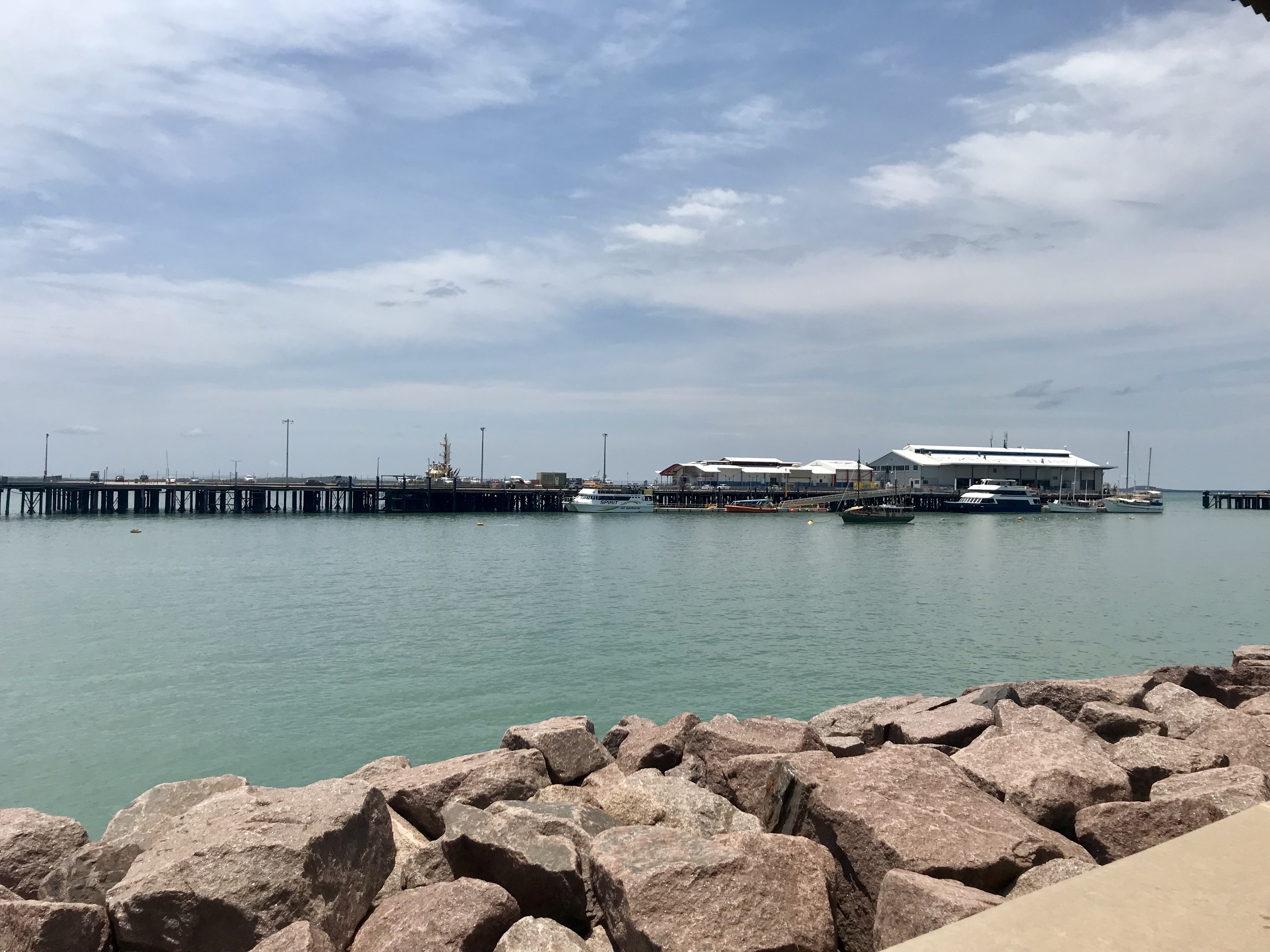
Darwin is also the most modern capital in Australia. After being hit by Cyclone Tracy in 1974, which killed 66 people and injured thousands more, the city was devastated. Over a number of months and years, Darwin was gradually rebuilt to become Australia’s most modern capital city. This rebuild and renovation can be seen in Darwin’s waterfront, which is host to a number of waterside restaurants, bars and hotels.
Aside from its rich history, Darwin also has a few places to shop in the city centre, as you would expect. While we didn’t buy much, we exploited the shopping centre’s aircon to escape the city’s humidity and one of my friends went in search of something cold. When she returned with four very welcome ice-cold Fanta blasts, I don’t think we could have been happier. After relishing our refreshing drinks in quiet contemplation (it was too hot to say or move much), we stepped back into the heat to explore some more.
Crocodiles
Australia is of course known for its dangerous animal inhabitants, but the Northern Territory and Darwin, might be said to be croc capital. At an estimated 100,000, there are more saltwater crocodiles in NT than in either Western Australia or Queensland. With this in mind, there are a number of places where you can (safely) experience a crocodile encounter in NT.
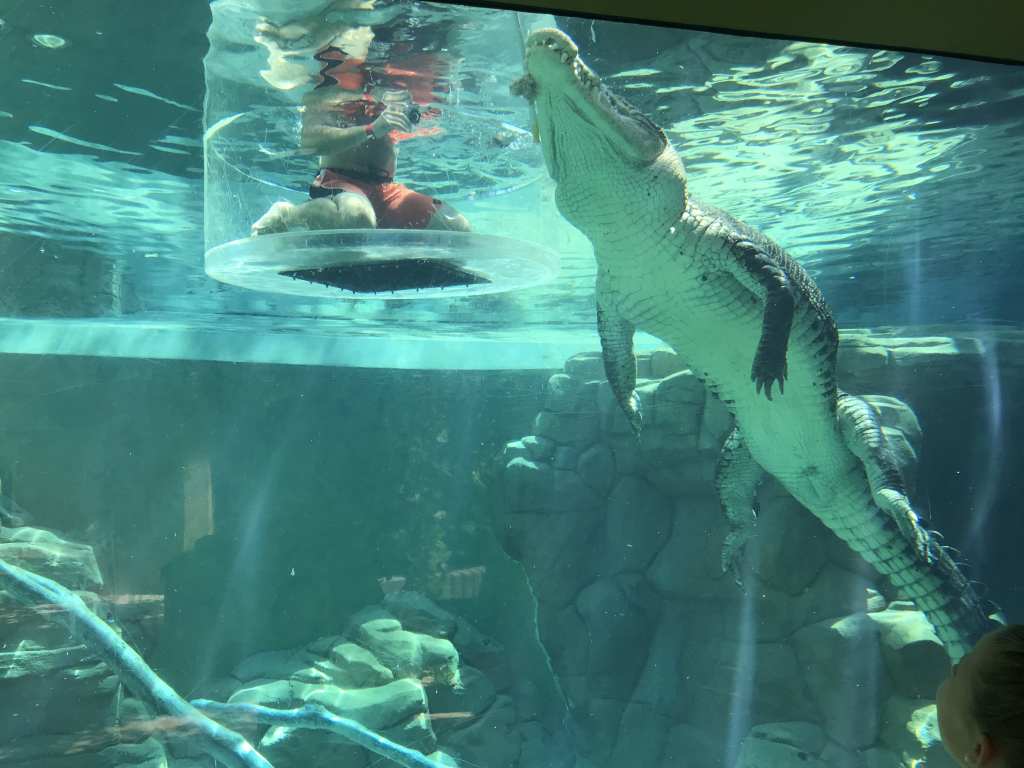
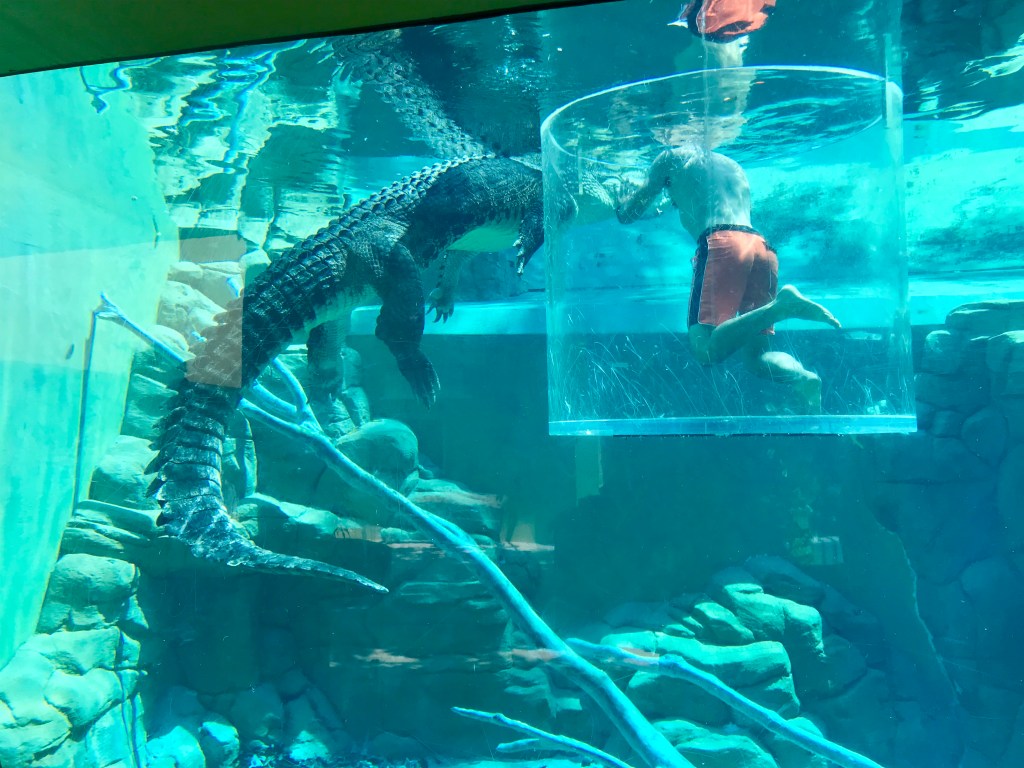
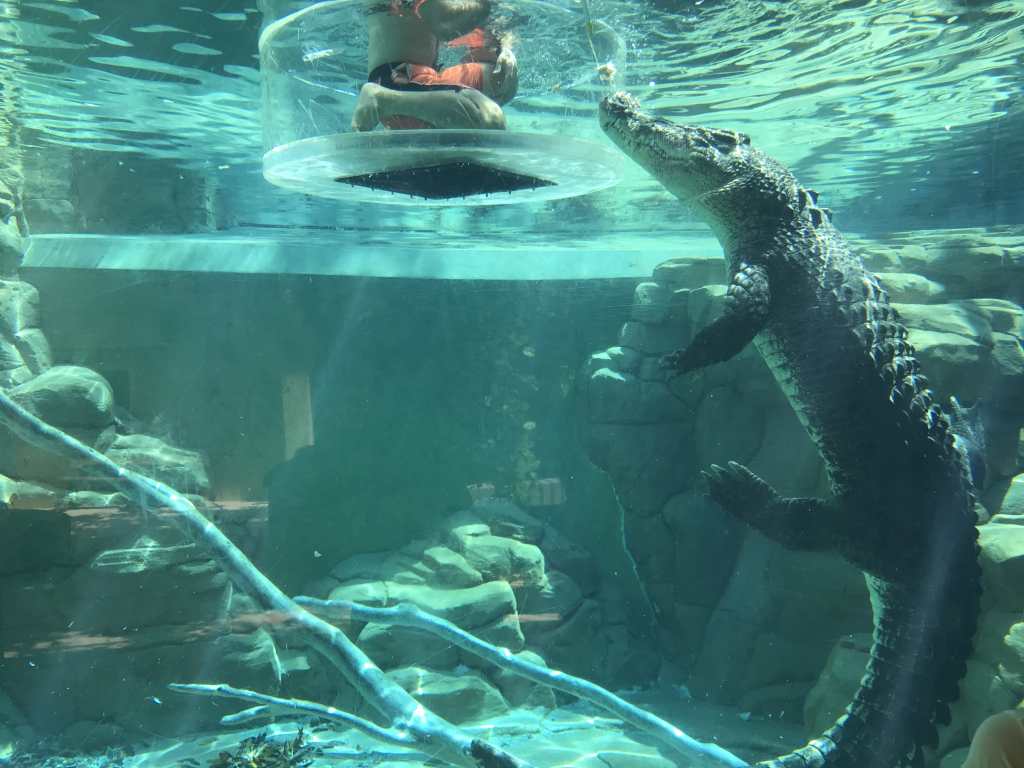
My friends and I chose to visit Crocosaurus Cove which is situated in the heart of Darwin. Crocosaurus Cove is a zoo home to some of the largest saltwater crocodiles and offers an impressive display of Australian reptiles. What is unique about Crocosaurus Cove is how close up you can get to the crocs, particularly with its ‘Cage of Death’ experience in which you’re submerged into the water with the crocodiles. Though the ‘Cage of Death’ is on the pricey side, it is Australia’s only crocodile dive experience. Though it was a unique experience to marvel at these magnificent animals up close, we all agreed that our trip to Crocosaurus Cove was a little strange. The zoo itself was pretty quiet and small, and sadly, we felt the enclosures themselves were also a bit claustrophobic too by comparison with other zoos, particularly for the size of their crocodile inhabitants.
There are however, a number of other ways to witness crocs in Northern Territory, such as by booking and joining a jumping crocodile cruise down the Adelaide River, or by visiting Crocodylus Park.
Litchfield National Park
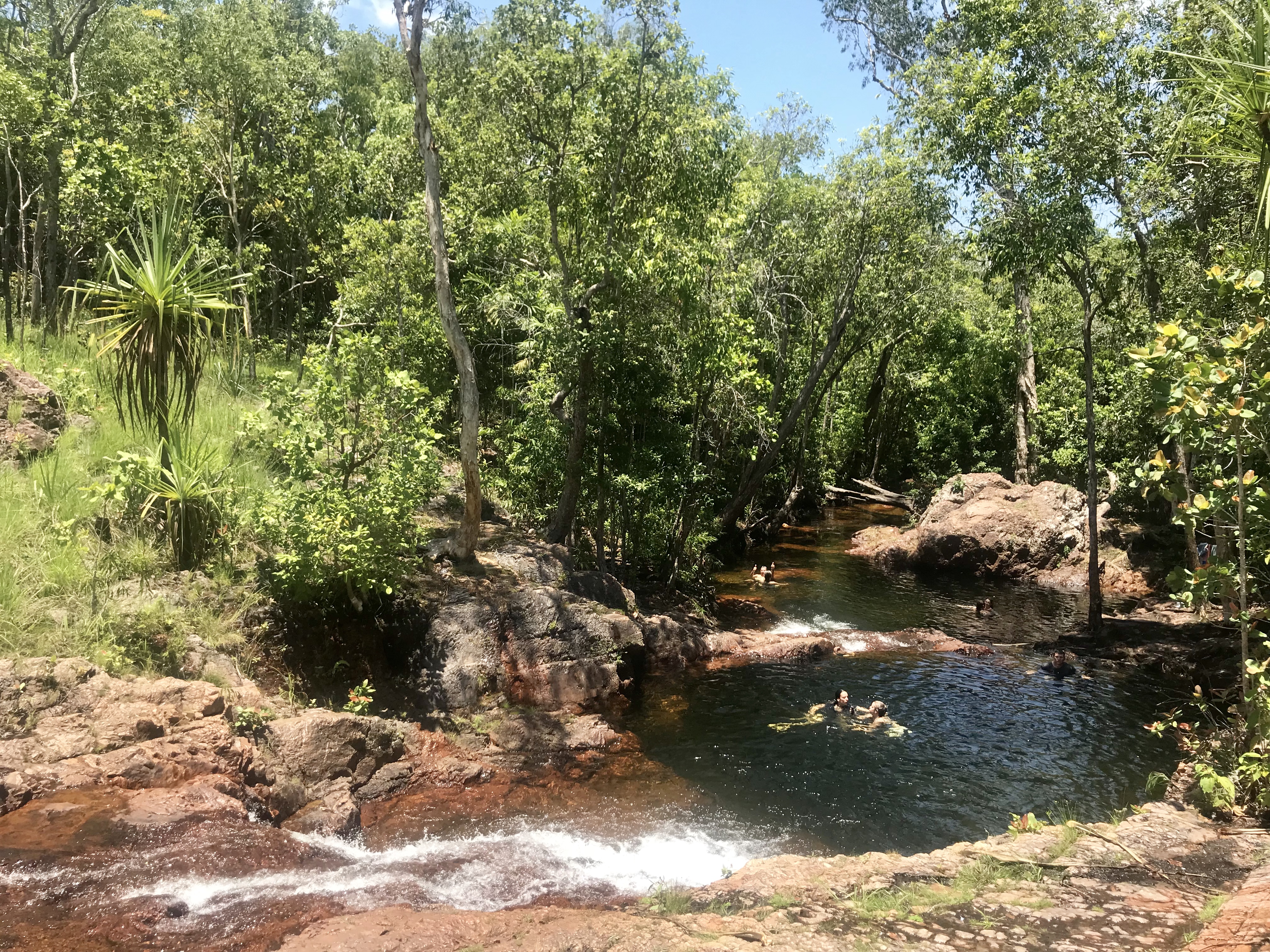
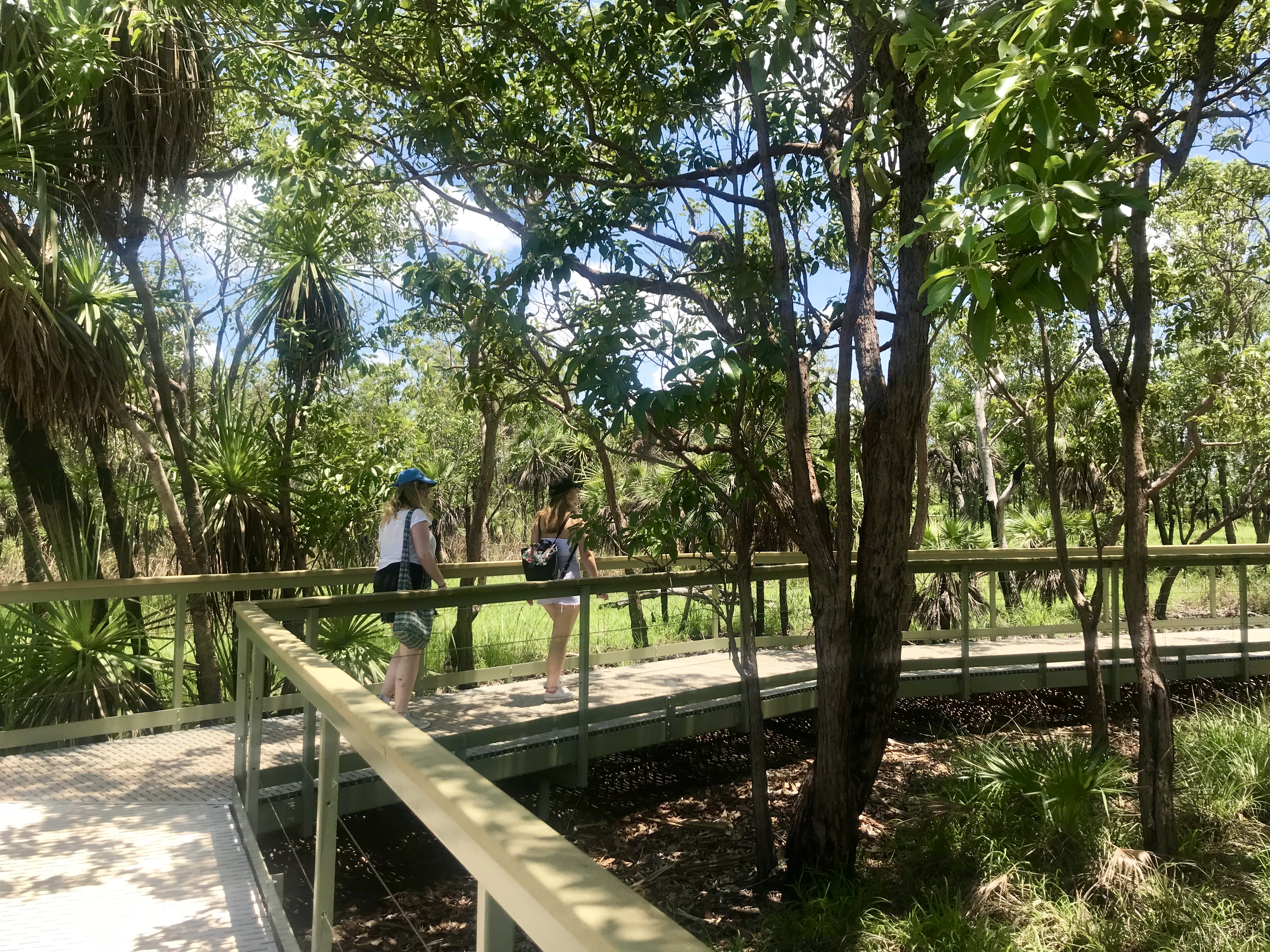
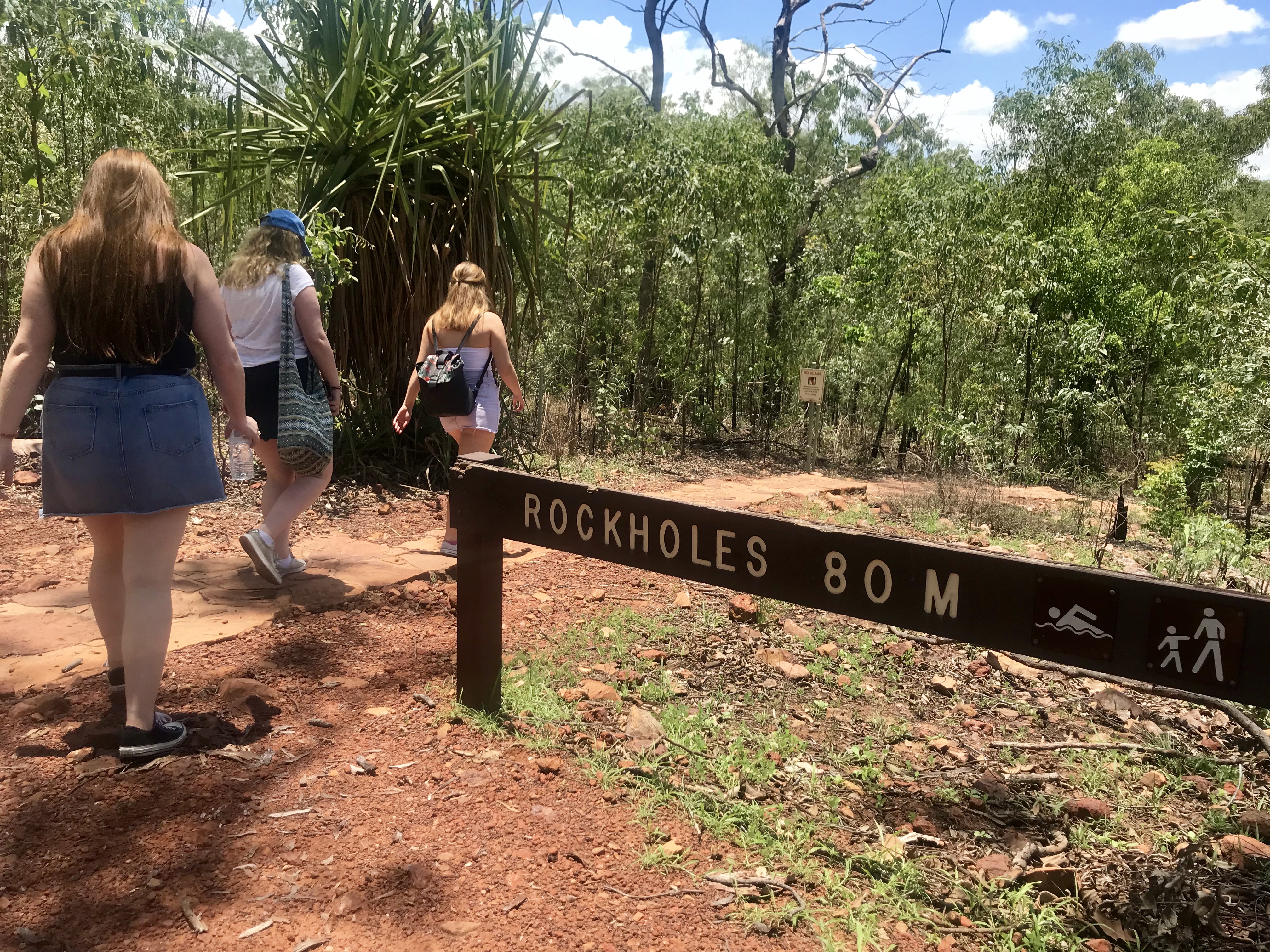
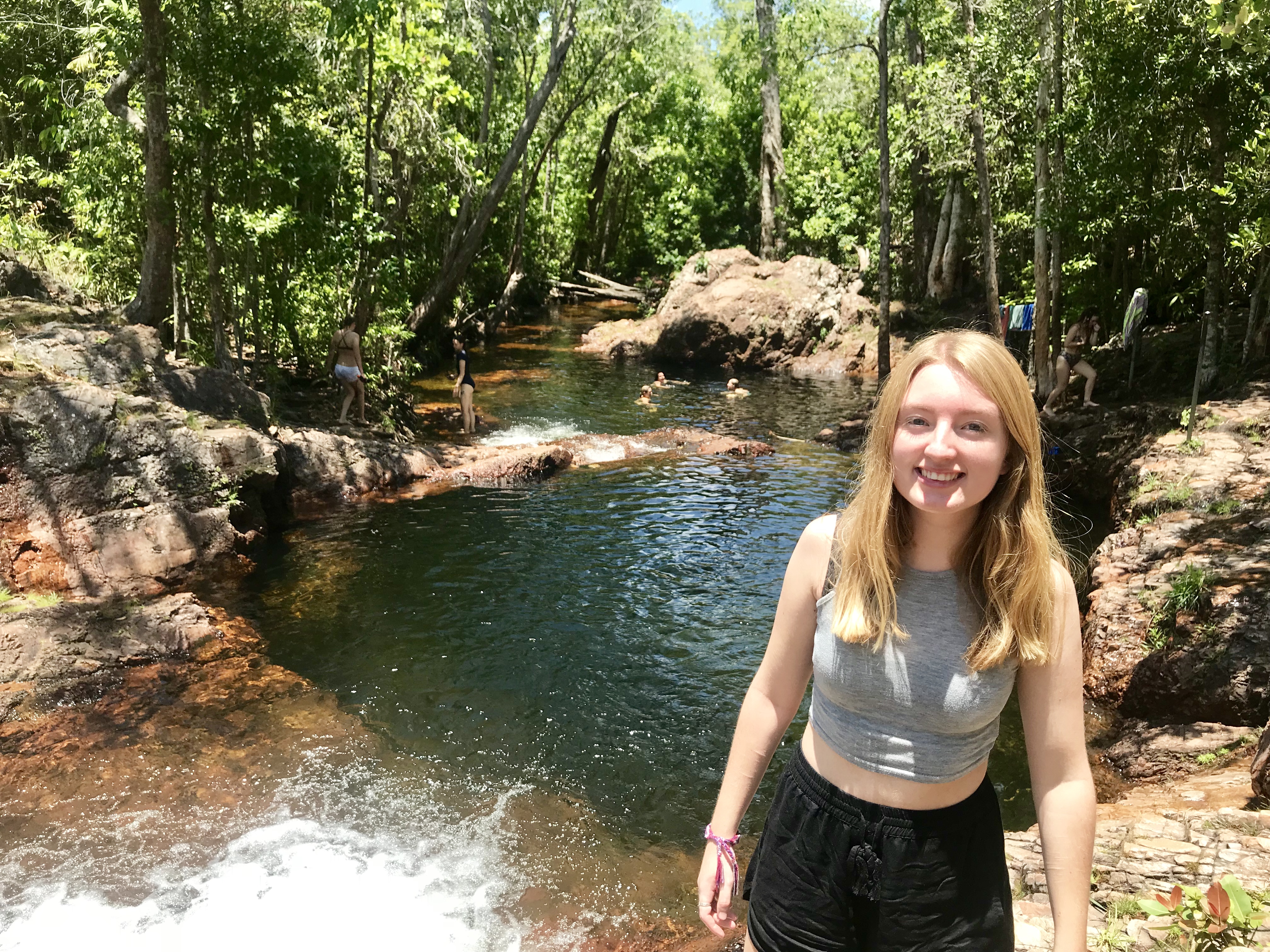
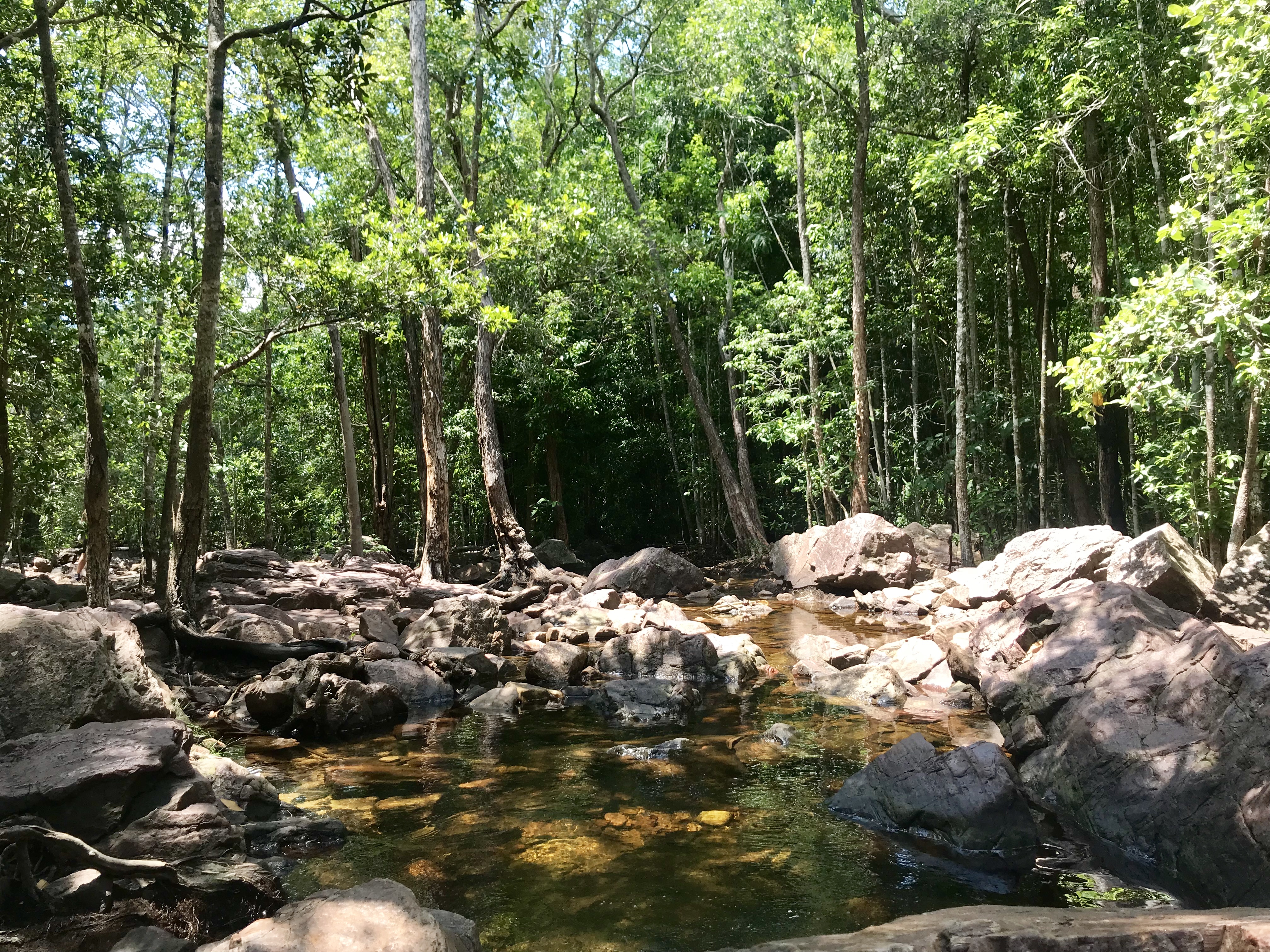
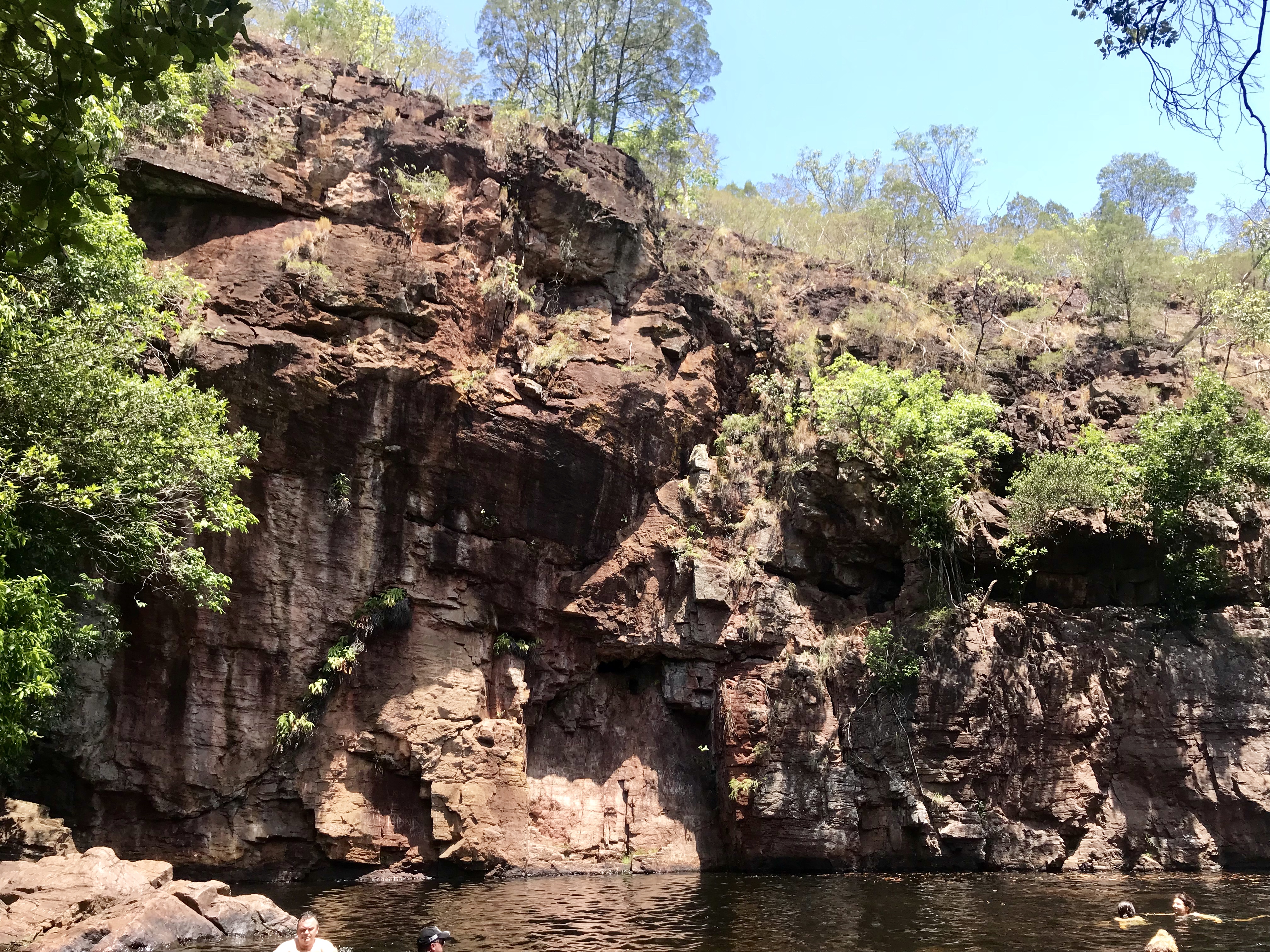
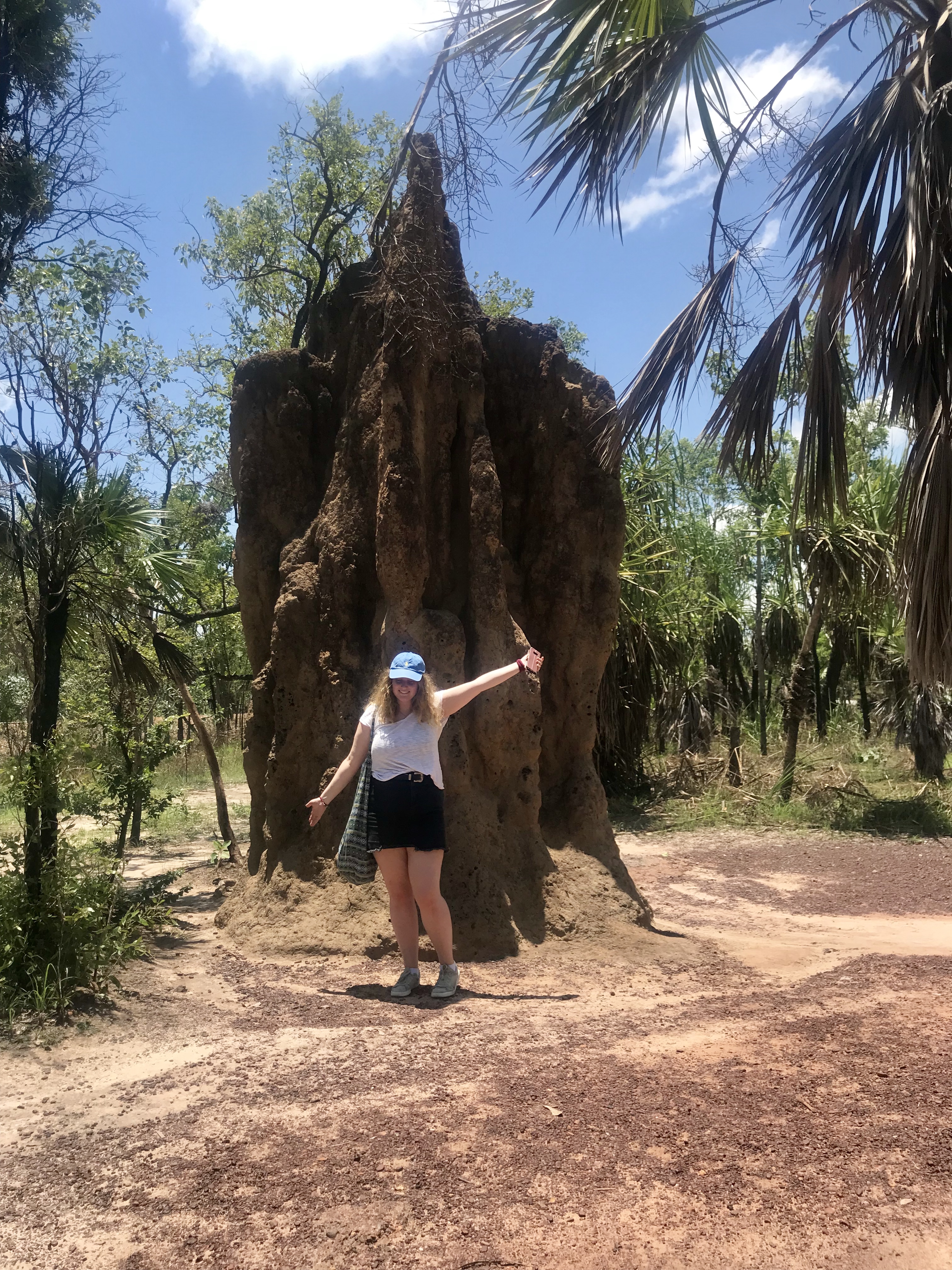
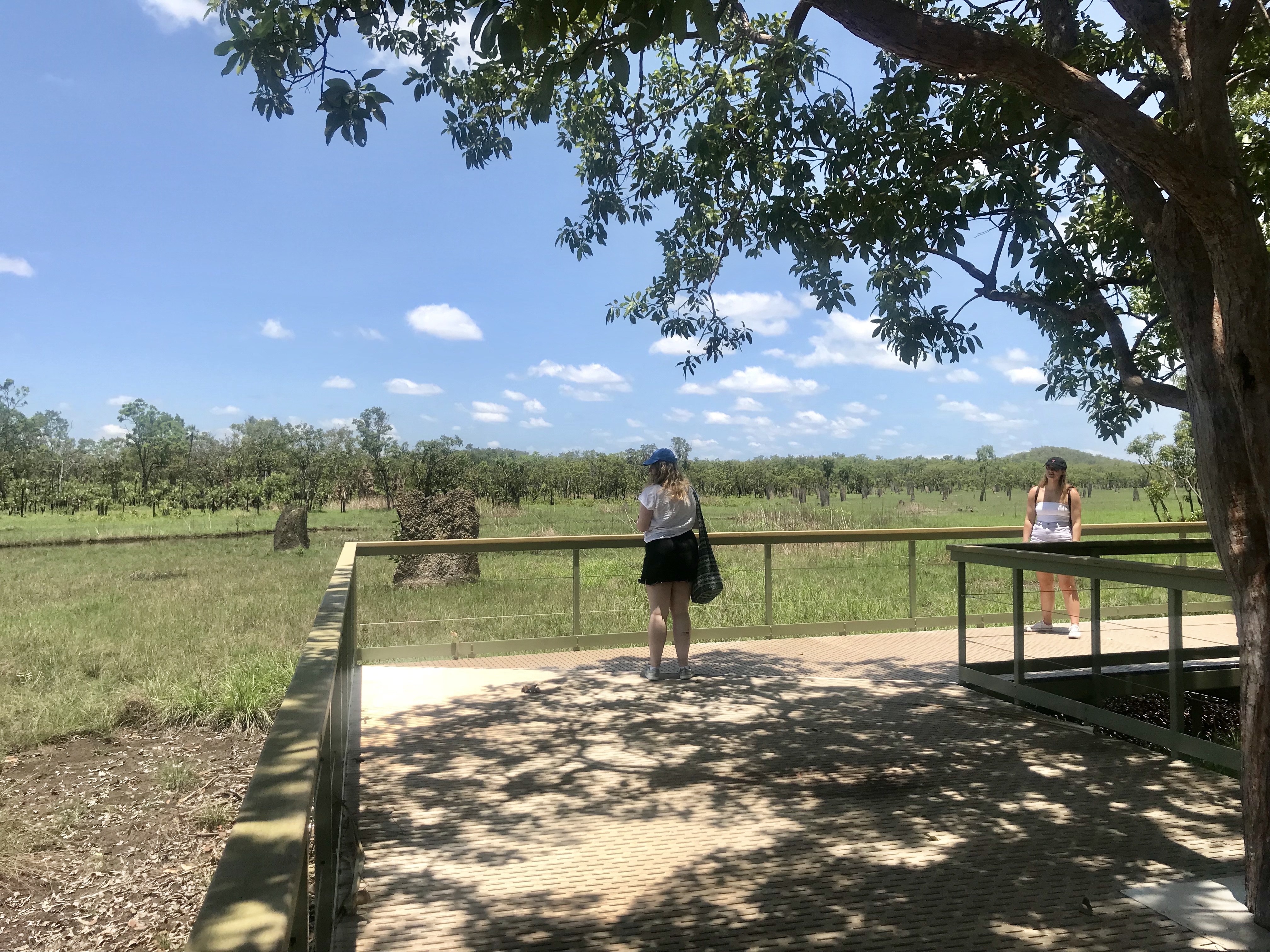
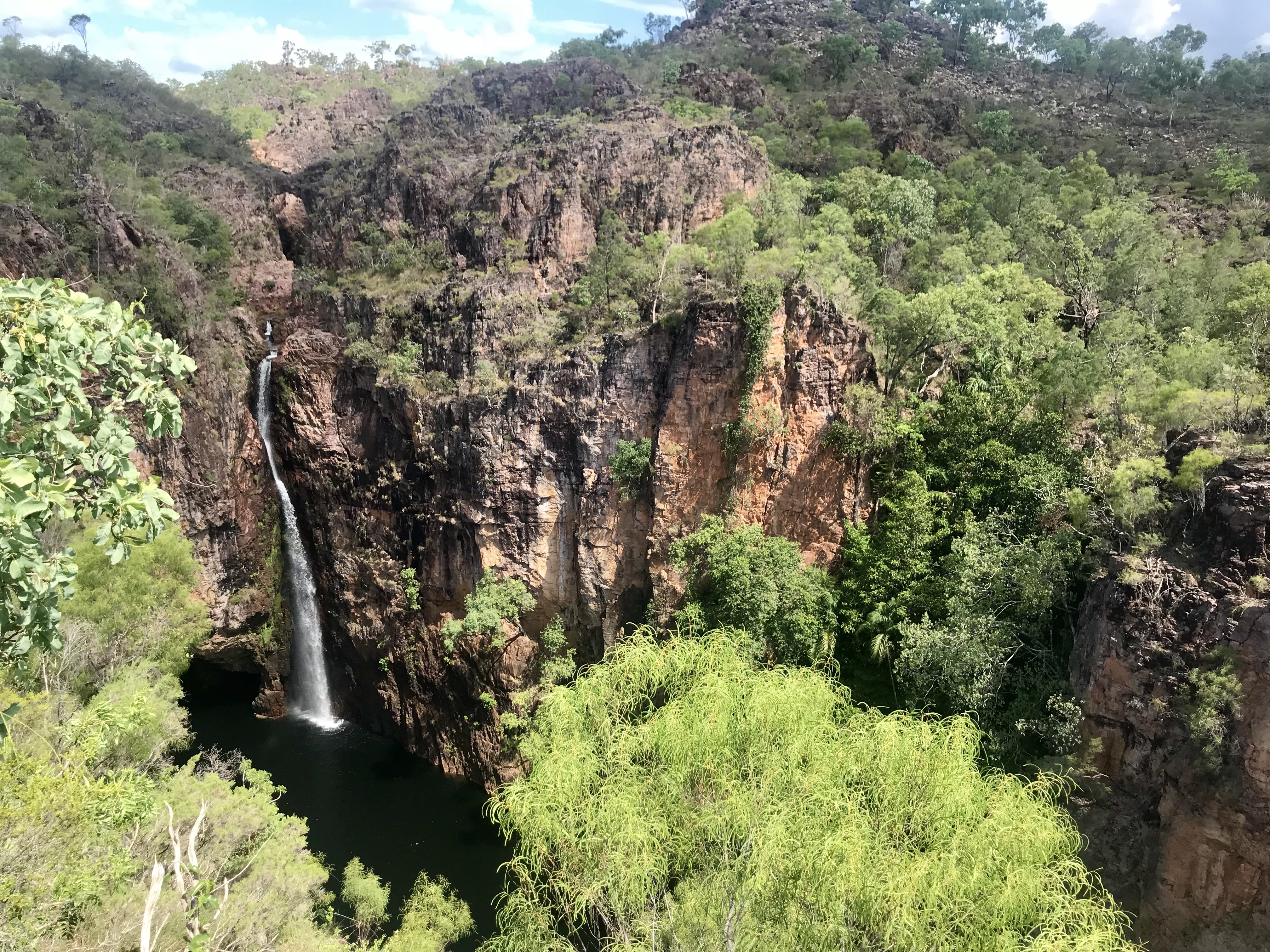
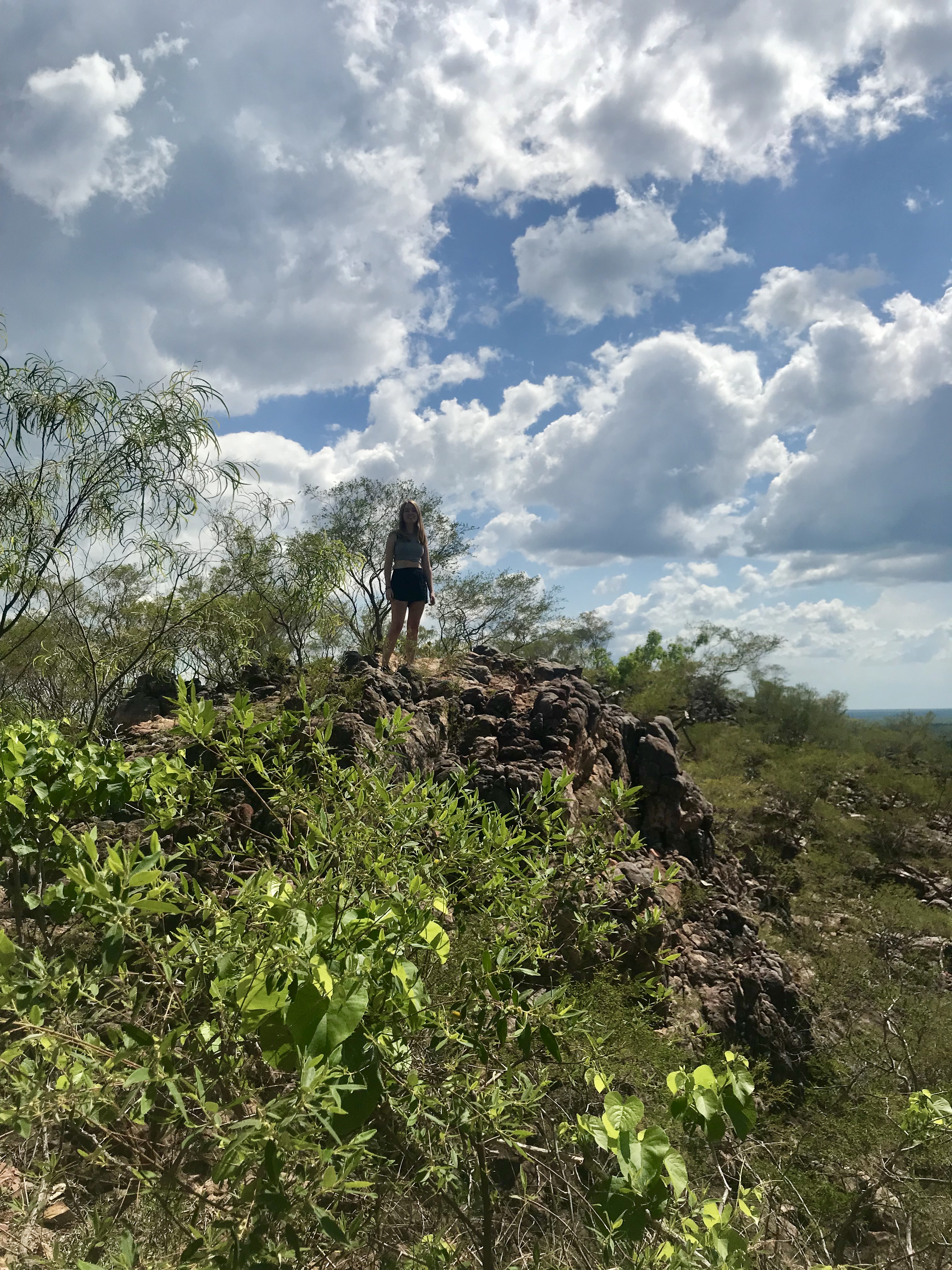
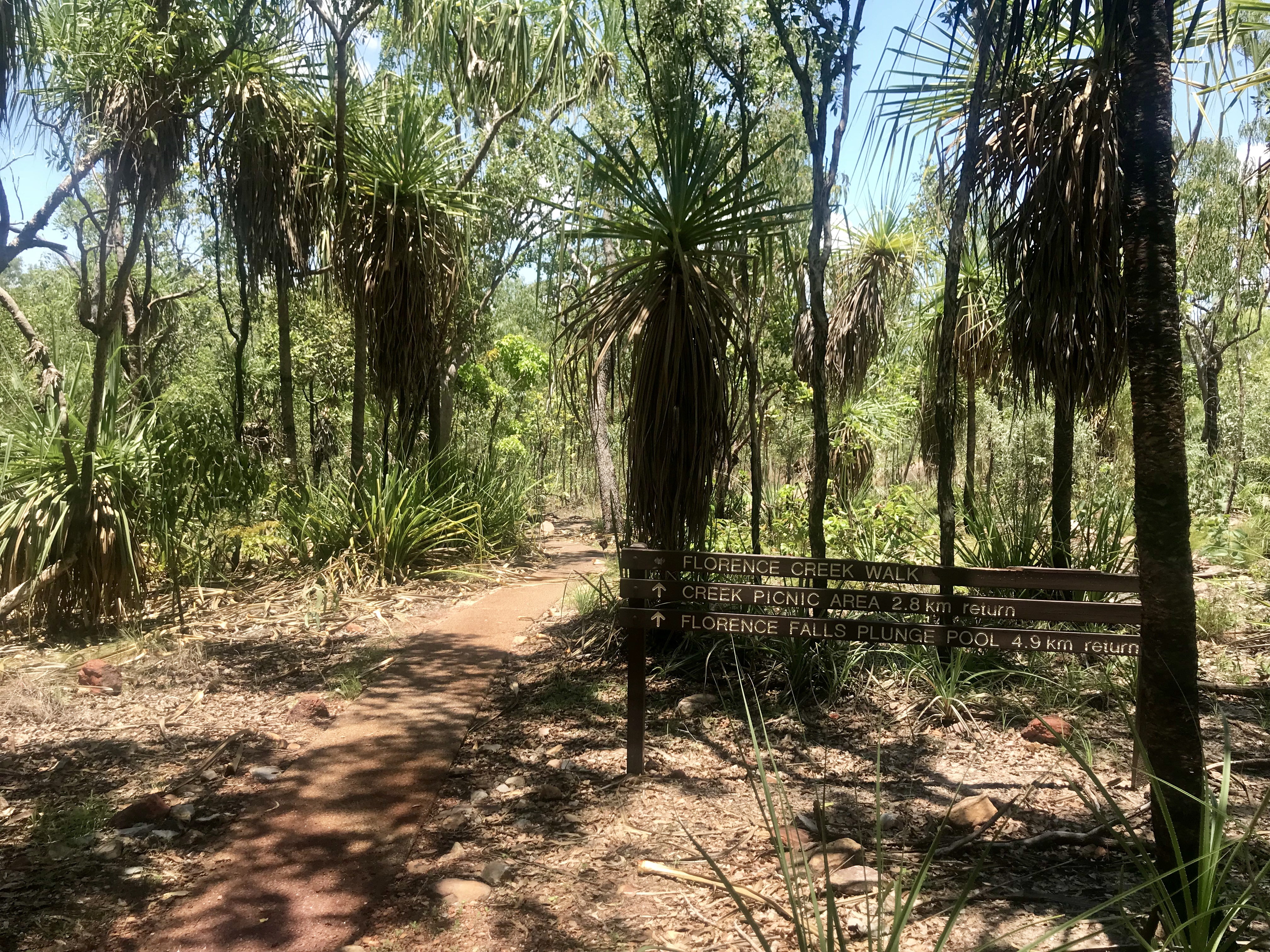
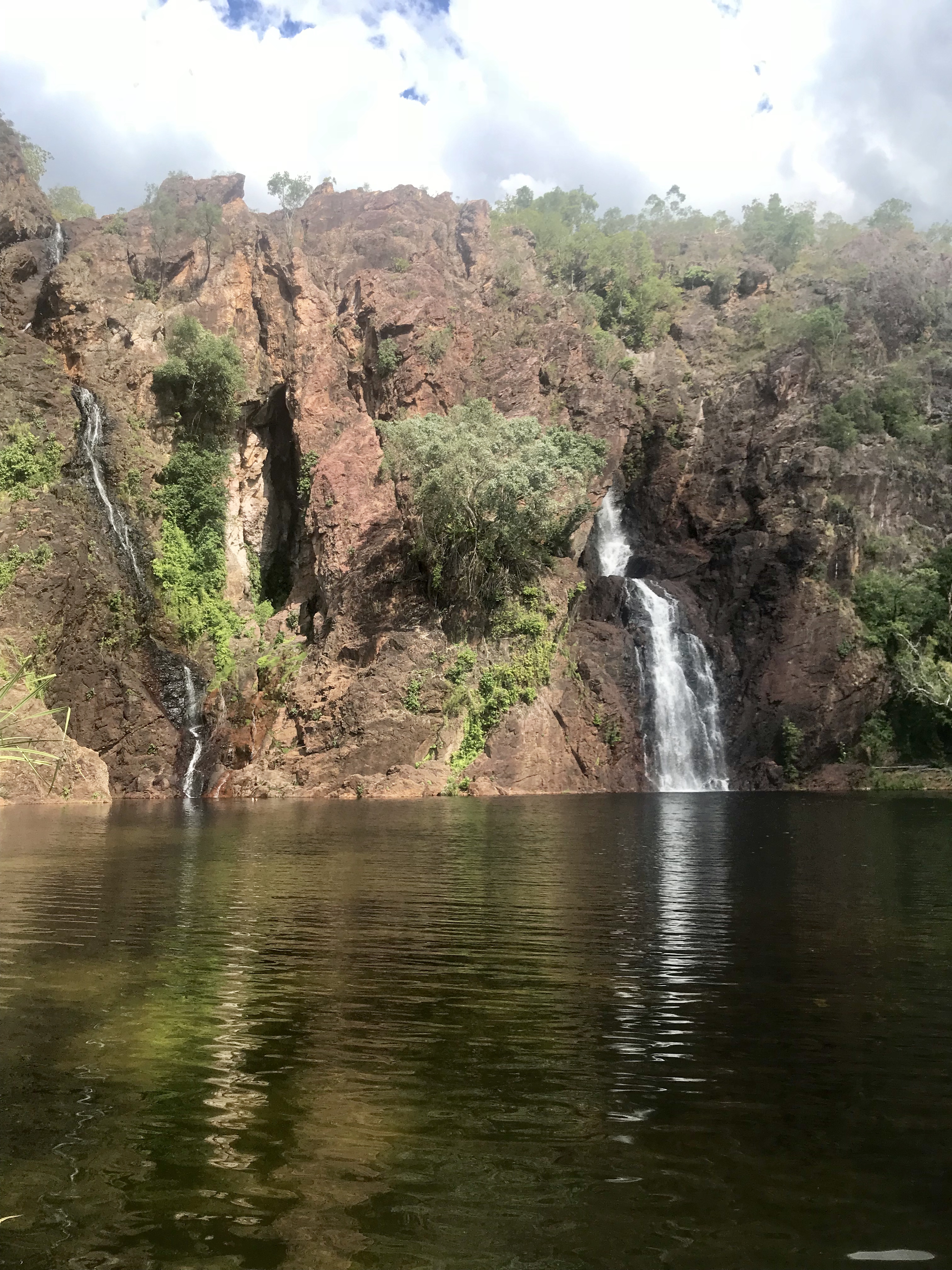
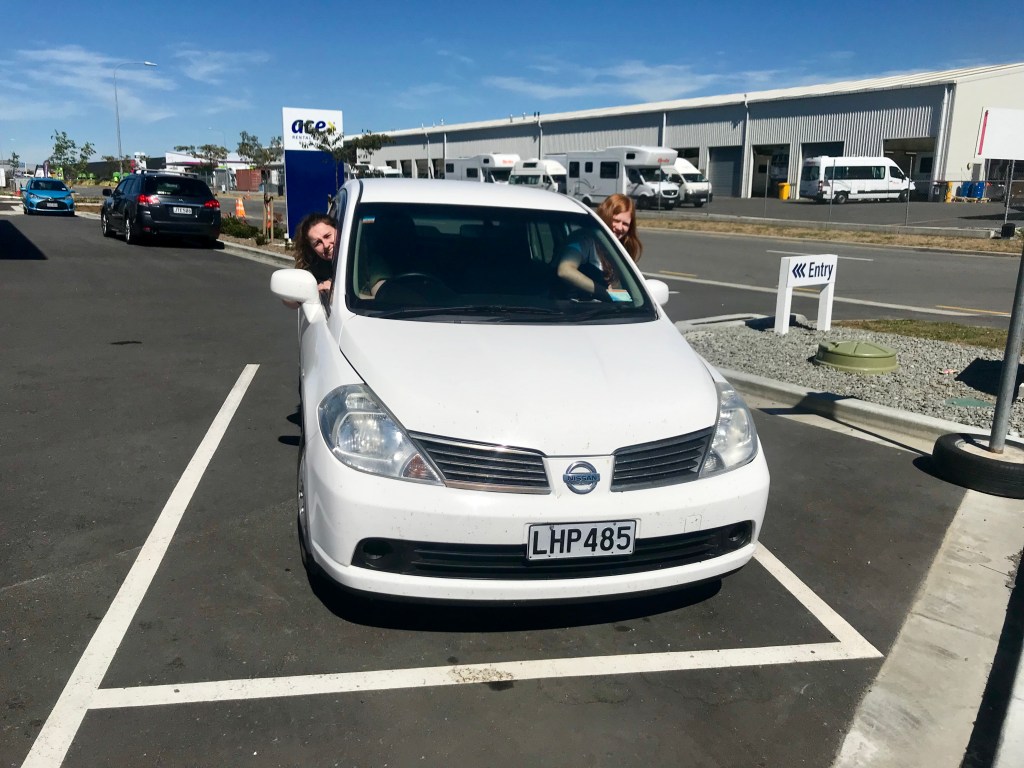
My favourite part of our trip to Darwin was our visit to Litchfield National Park. After a 1.5 hour drive from Darwin centre in our rental car, we arrived at the park. Admittedly, we were a little underwhelmed at first as we reached our first stop, the park’s termite mound after a hot and humid car journey, we worried this might be the highlight. Fortunately, we were wrong. We spent the day exploring the lush green rainforest, from the termite mounds to refreshing pools we could dip our toes in or dive right in. There are few things more satisfying or calming than cooling off in nature’s very own swimming pool. Aside from the pools and termite mounds, there are also waterfalls and wildlife to be admired. Litchfield National Park is exactly what you’d hope for when visiting Australia and exploring its hinterland. If you have time Kakadu National Park is also situated in NT and worthy of a visit.
Hostel horror
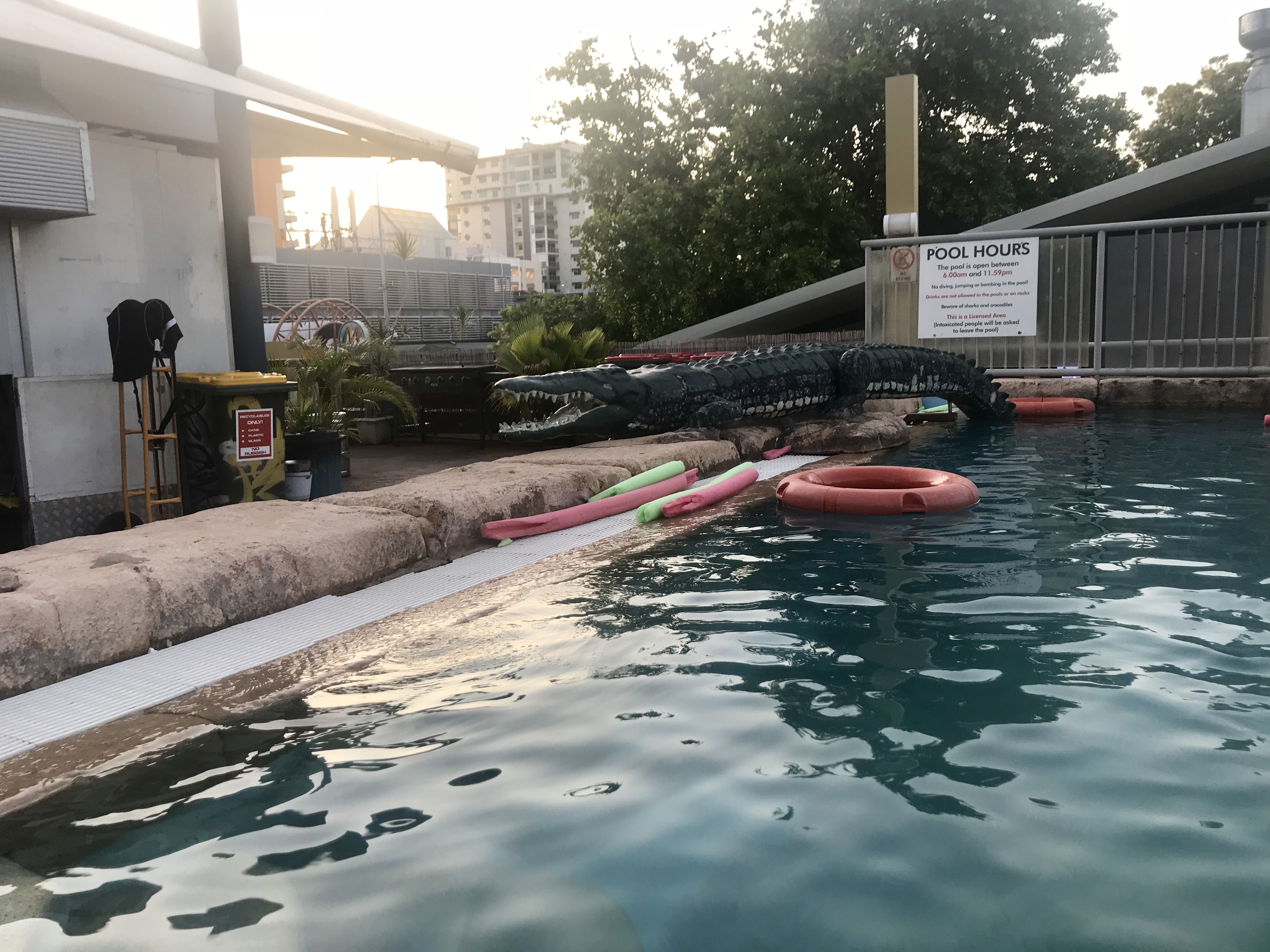
Unfortunately for us, our hostel seemed to play host to half the insect population of Litchfield National Park. By this I mean, we had a cockroach infestation in our room. Picture the scene, it’s late night and dark, you make your way from your top bunk bed into the en-suite bathroom. You turn the light on and as your eyes adjust to the light, you see something to the number of 50 or more cockroaches crawling and scuttling in every direction. Under the toilet, under the shower, down the shower drain, through the cracks in the door and into the sink. Cockroaches. Everywhere. Now, everyone knows Australia is crawling with insects, but we didn’t quite expect to be sharing a room with so many. Weirdly too, it only seemed to be our room that was plagued by them. I didn’t have a fear of cockroaches before, but after hearing their scuttling next to my head as I tried to sleep, I think I do now.
Aside from the unwanted insect roommates, our hostel was nice enough. It had a pool and a poolside bar with cheap cocktails, which I imagine is enough to keep most 20-something year olds like ourselves, happy.
Beaches
Given the high number of saltwater crocodiles in Australia’s Northern Territory, as tempting as the sea looked, we decided it best not to wade in it. However, we were still able to enjoy the beach. Like anywhere else on Australia’s coastline it seems, Darwin has a number of impressive beaches and bays.
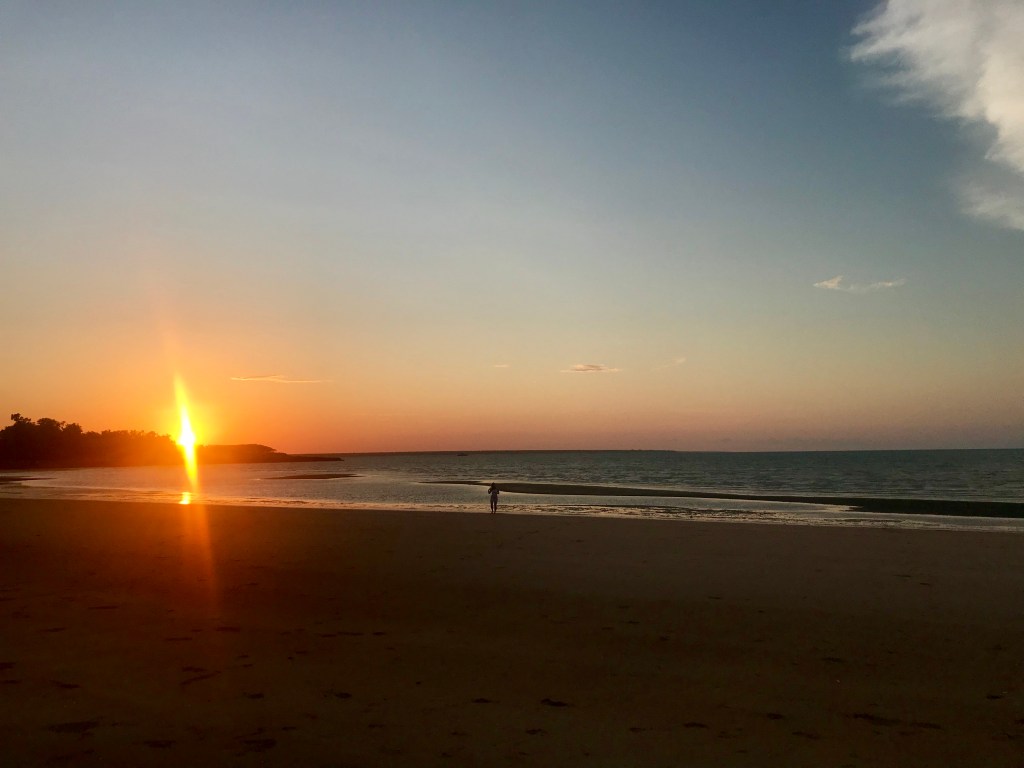
We explored Darwin’s popular Mindil beach for a sunset-stroll. This was a nice, relaxing way to round off our day until my friend got stuck in the sand and started to sink. Like any good friend, our first reaction was to fall about laughing and take her photo before eventually helping her, much to her grievance (I can’t imagine why??). Nevertheless, Mindil beach at sunset is the perfect place for some typical Aussie snaps (pun not intended!). In the dry season, Mindil beach is also host to flea and street markets where you can peruse and enjoy the amazing food, art and culture on offer with a stunning sunset backdrop.
Our trip to Darwin was inspired by cheap flights and spontaneity and though we weren’t sure what to expect, I remember Australia’s Northern Territory fondly… even with the cockroaches!
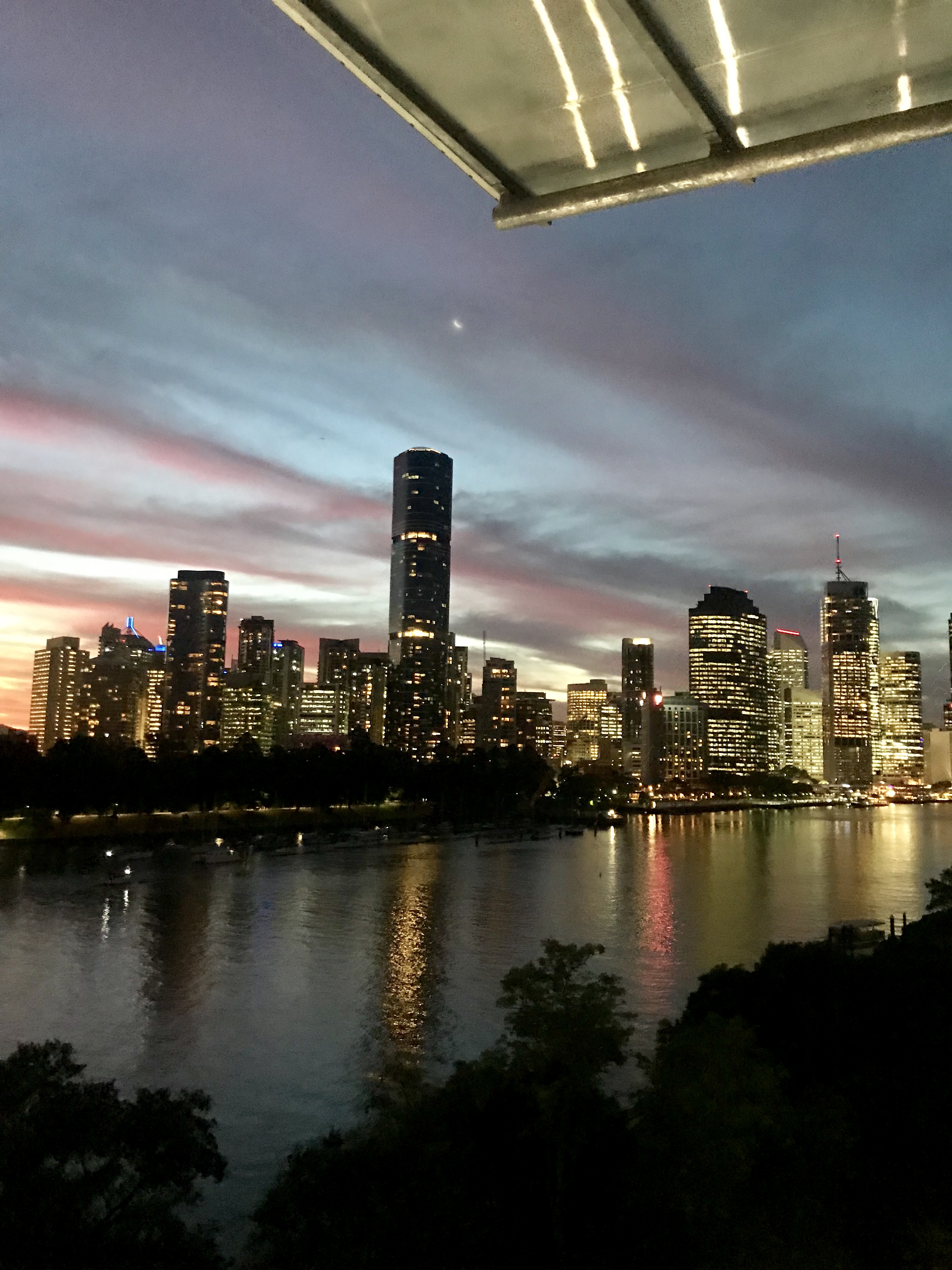
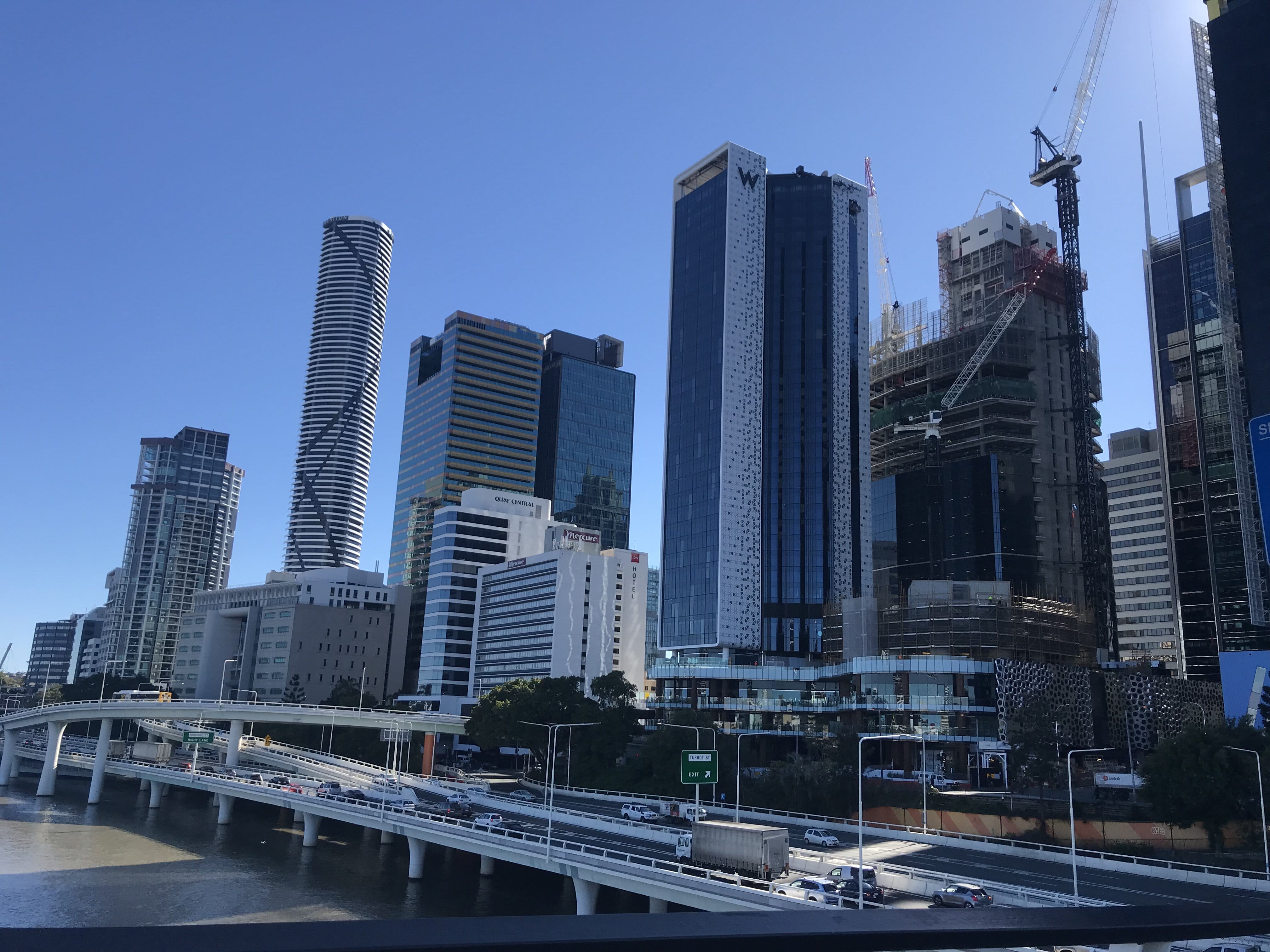
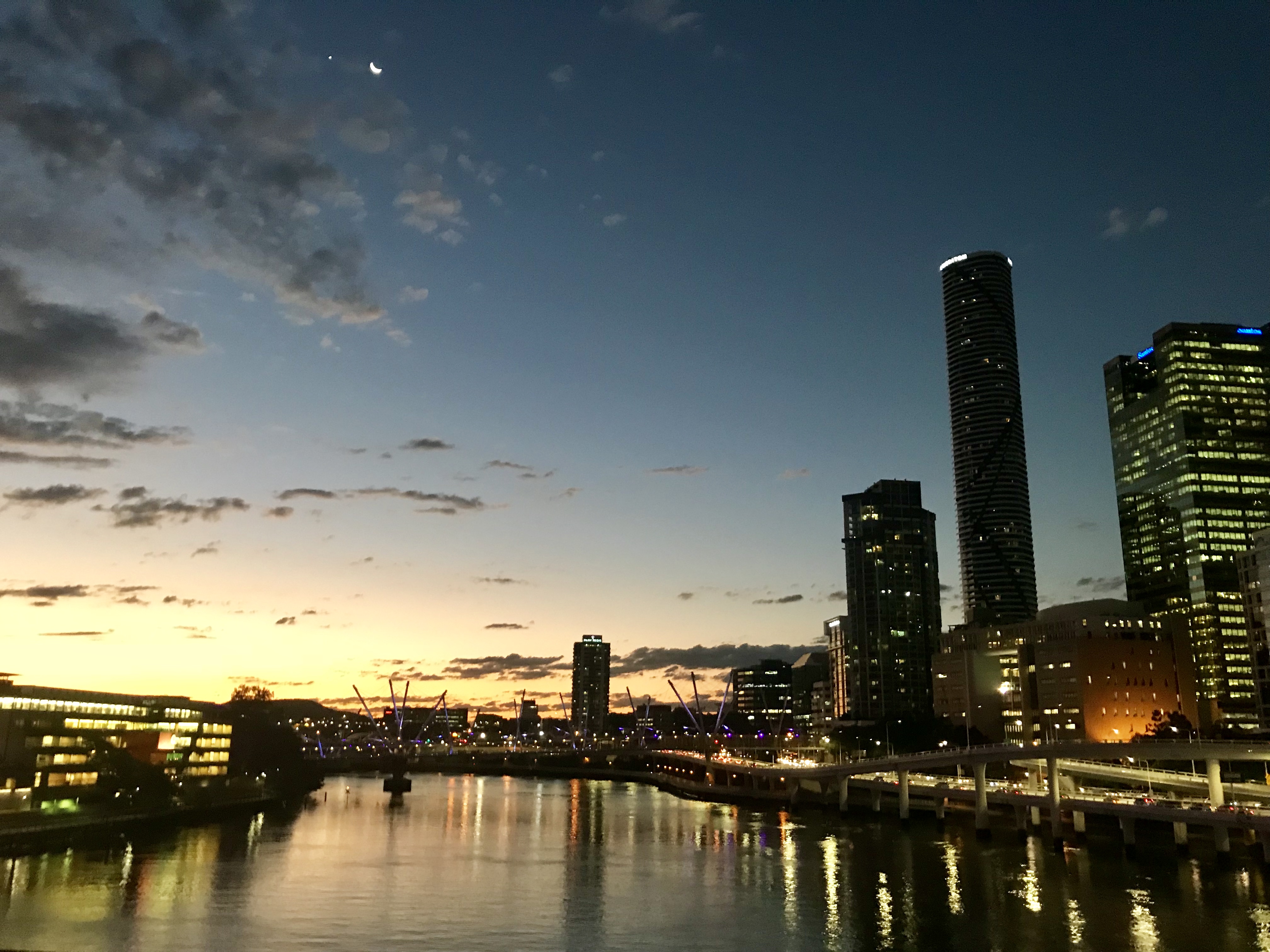
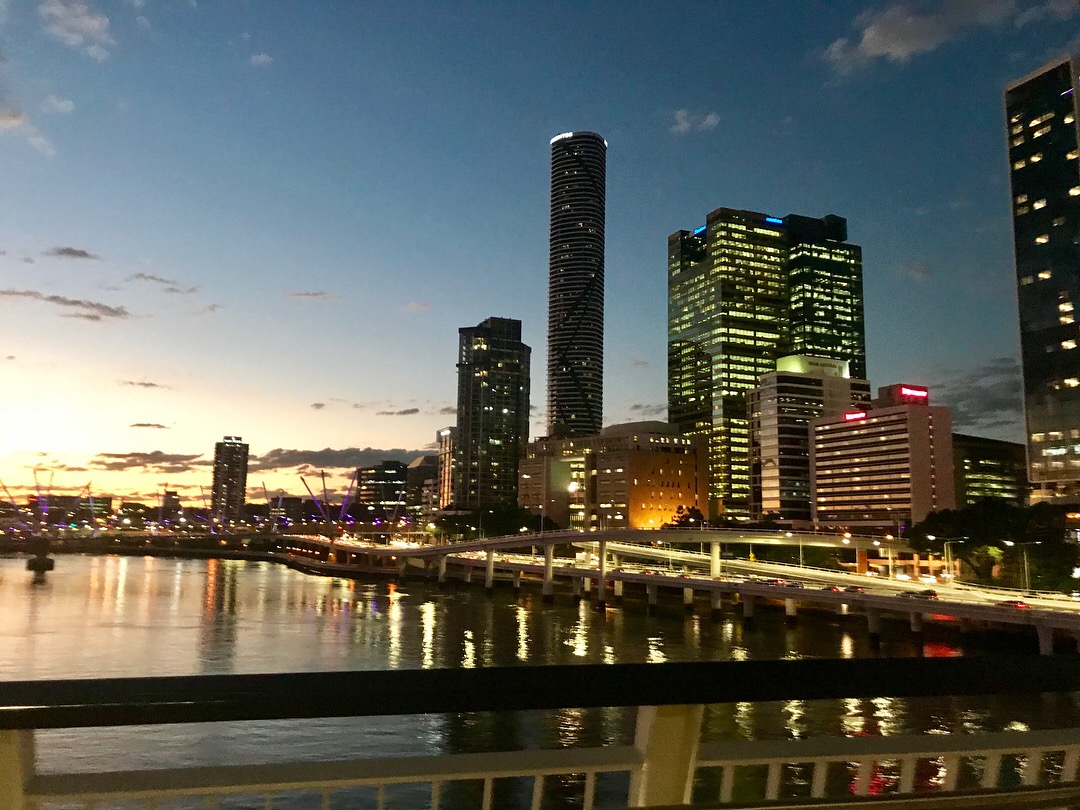
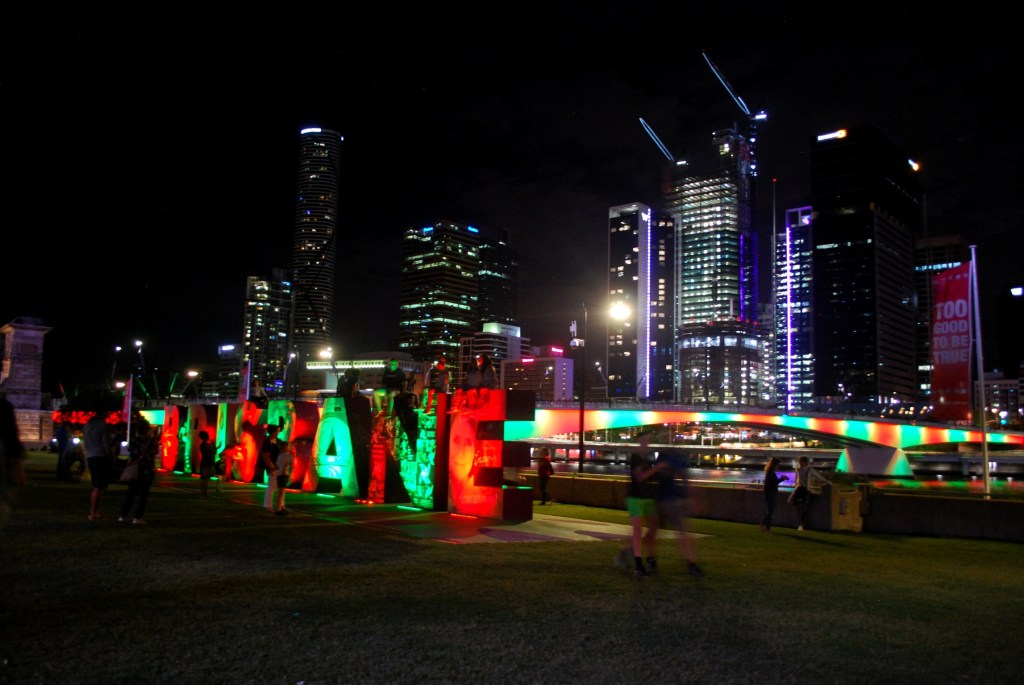
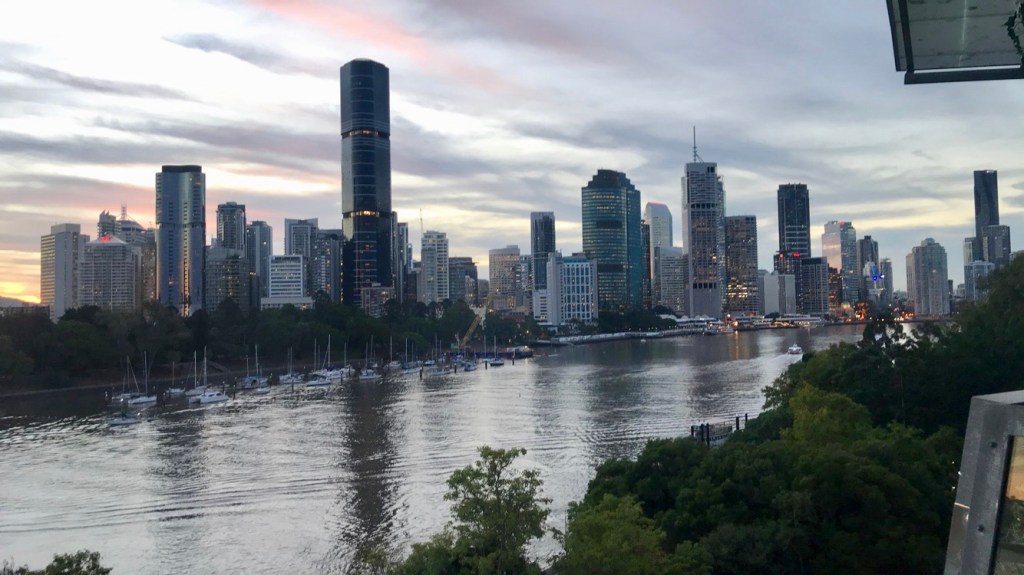
Brisbane is bursting with life and this is reflected in its busy skyline. The city centre is divided by the Brisbane river which separates the bustling central business district, home to Queen Street Mall and Brisbane City Hall from South Bank, the city’s cultural quarter and street beach host. Brisbane is often considered a young city because in recent years it has been undergoing a boom in developments, making it an incredibly vibrant place to be. Fortunately for us, Brisbane boasts a number of viewing points across the city which are perfect for watching the world go by.
Kangaroo Point Cliffs
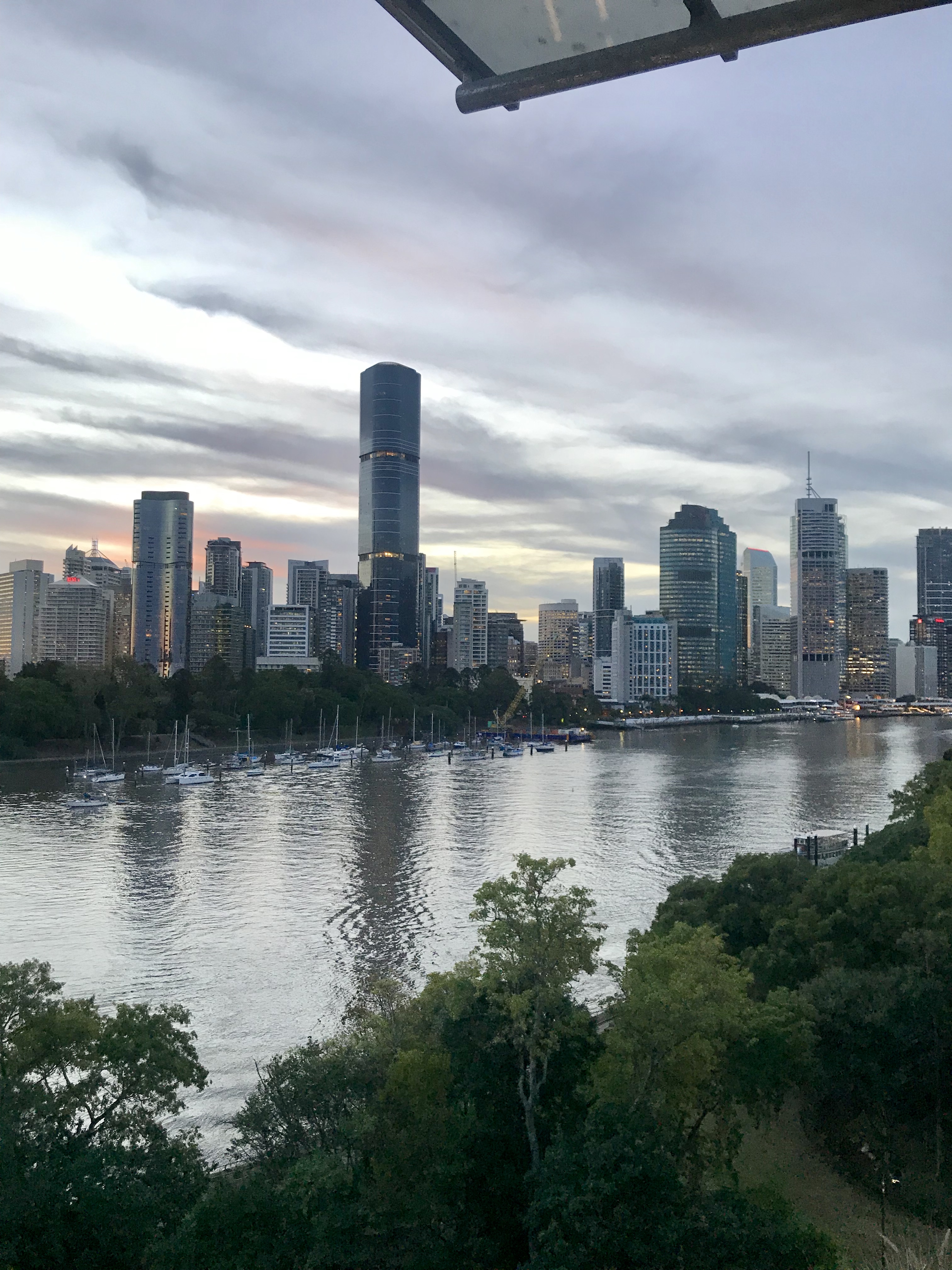
To enjoy the view from Kangaroo Point Cliffs you have to work for it a little more than the others, but once you get up to the top, you’ll see that it is worth every step. This being said, the walk up to Kangaroo Point Cliffs is relatively short from South Bank and only mildly challenging for a matter of moments as you ascend the final steps. It is a walk suitable for everyone with the end goal enjoyed by all. Those inclined to adventure can choose to abseil Kangaroo Point Cliffs for a different take on the viewing spot. Most of us however, can enjoy the view from the cliffs by relishing an ice-cold drink at the café-bar that is perched at the top, or find yourself a shady spot and enjoy the view with a picnic. Kangaroo Point Cliffs offer panoramic views from South Bank to the infamous Story Bridge.
Emporium Hotel & Bar
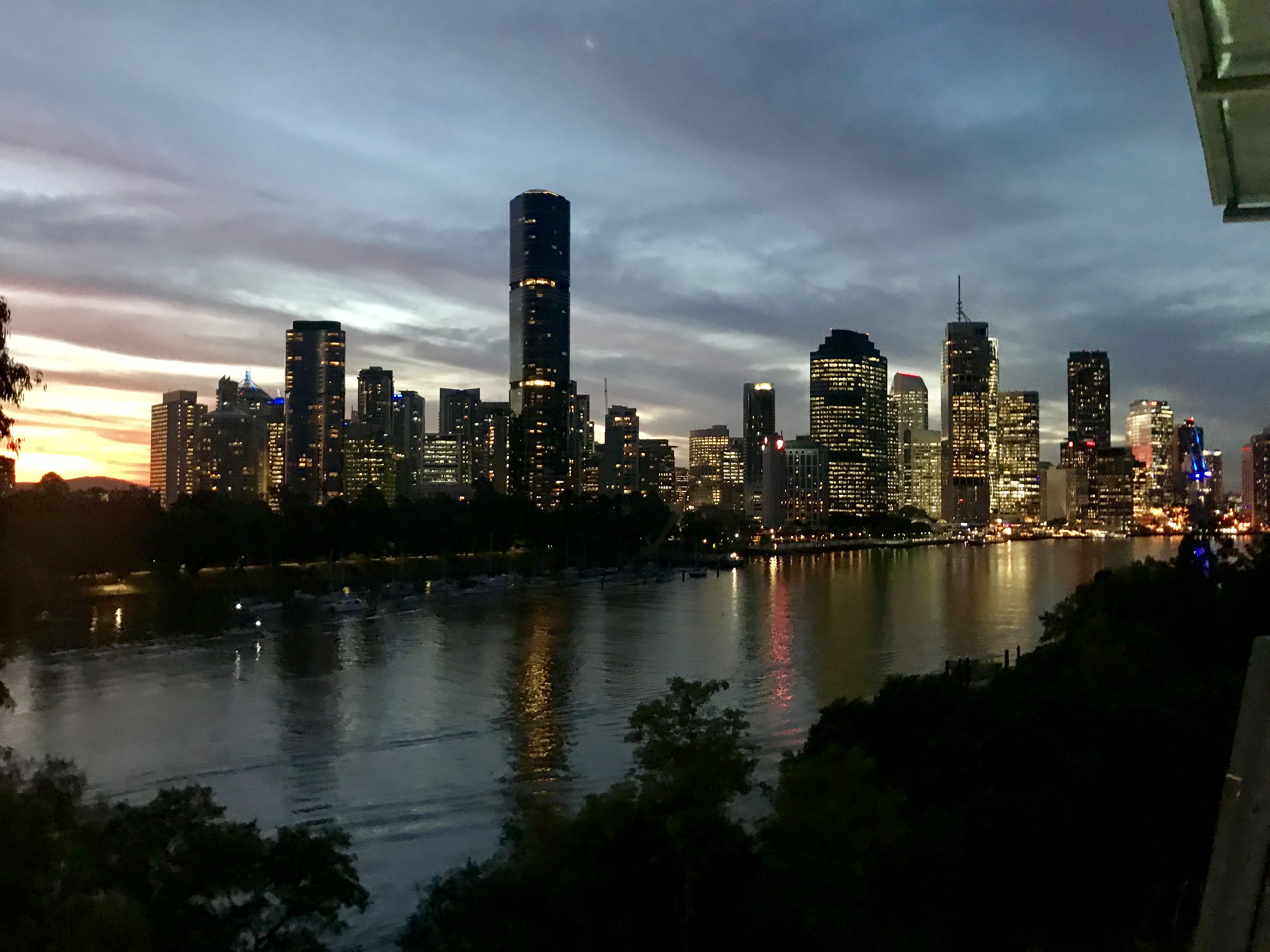
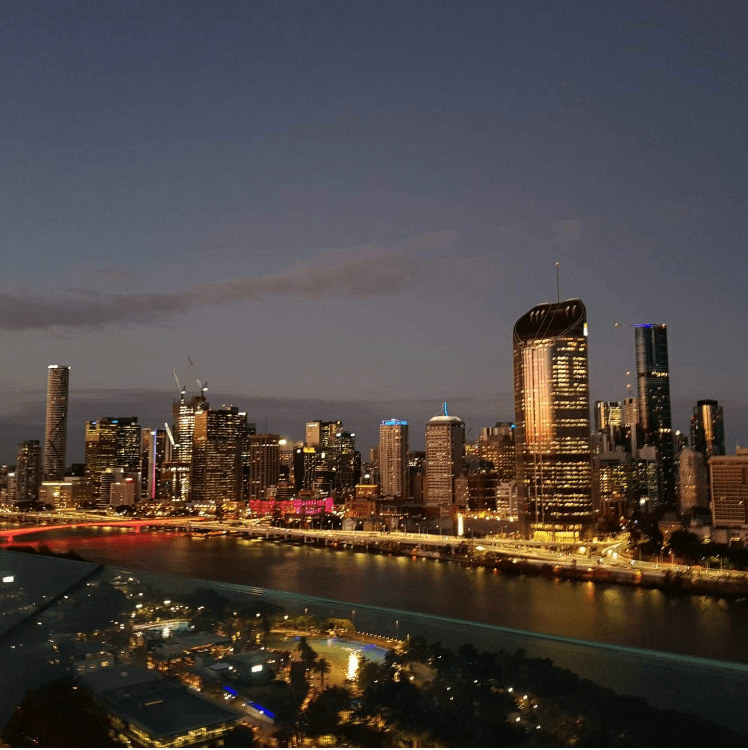
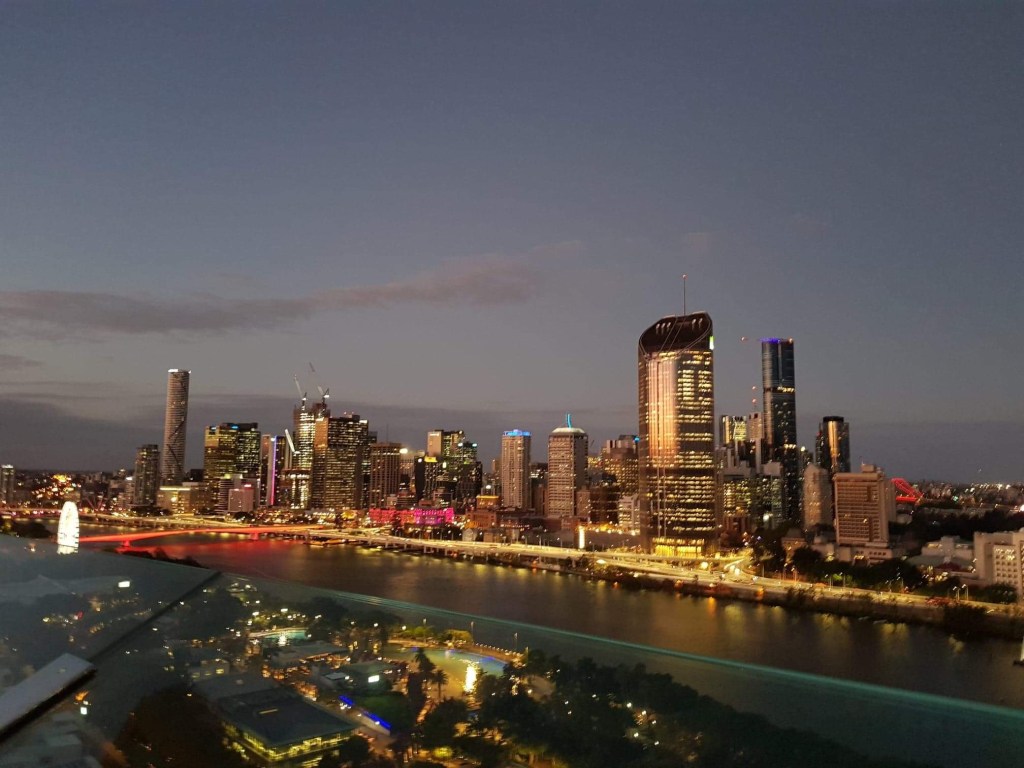
If you want to enjoy your view of Brisbane in style, then the Emporium Hotel Bar is the place for you. Whether it is a special occasion or perhaps you just live a lush life, you can rely on the Emporium for a bit of luxury. The Emporium hotel is situated in South Bank, the city’s cultural centre and like many of the city’s skyscrapers, makes the most of its location with a rooftop viewing platform. Luckily, you don’t have to be a guest at the hotel in order to enjoy its rooftop bar. However, ditch your thongs (flip-flops) and dress to impress in order to ensure entry. The Emporium towers over South Bank and offers stunning views as it does so, from South Bank’s street beach, to the Brisbane river and onto Brisbane’s central business district and its impressive skyline. Whatever the occasion, South Bank’s Emporium hotel is an ideal place to go to enjoy a reasonably priced cocktail with a very special view.
Mount Coot-tha
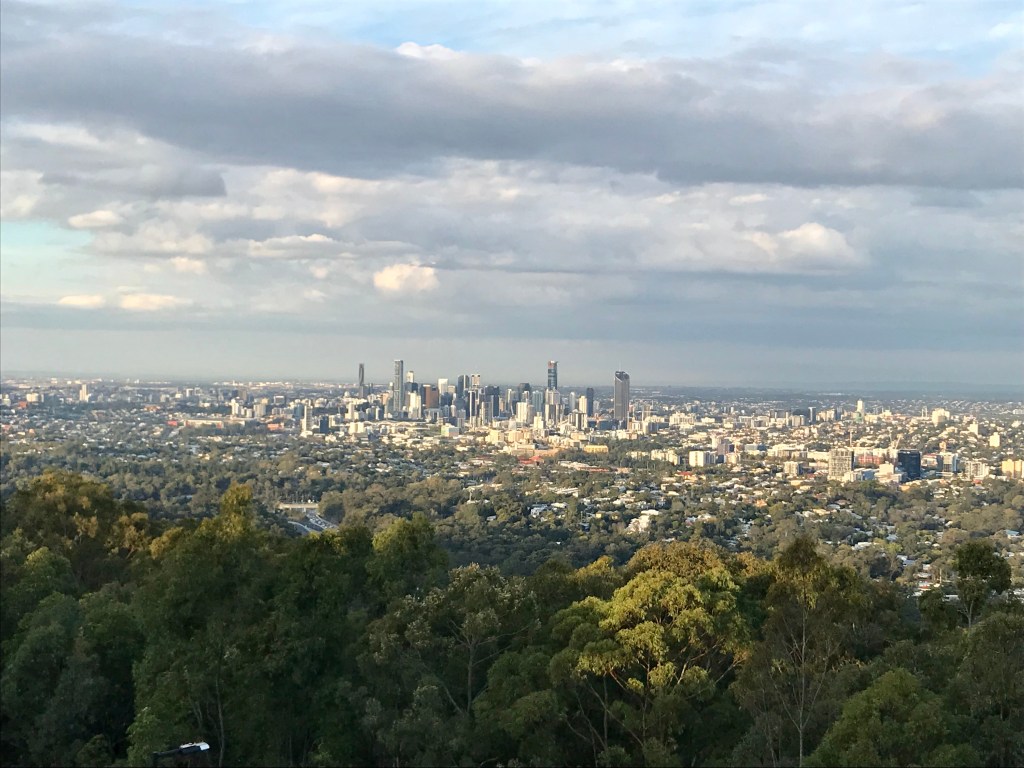
Mount Coot-tha is a popular destination to enjoy Brisbane from out of town. Situated in the west of Brisbane, Mt Coot-tha is only a short car drive or bus ride from Brisbane city centre. Mt Coot-tha offers a new perspective on the city and makes it easier to map the river’s trail and spot the city’s major sites from above. Unlike other viewing points in city, Stradbroke Island and Moreton Bay can also be spotted from Mt Coot-tha. There’s also a café and restaurant up here so you can grab a bite to eat or bring your own picnic and settle down on the grass overlooking Brisbane. If you’re up for a wander, there are several bushwalks you can do before or after enjoying the view too. Additionally, Mt Coot-tha also has its very own planetarium and botanic gardens, so there’s plenty to keep you occupied. Mt Coot-tha is a great place to escape the hustle and bustle of the big city, while still enjoying all it has to offer.
River Quay South Bank
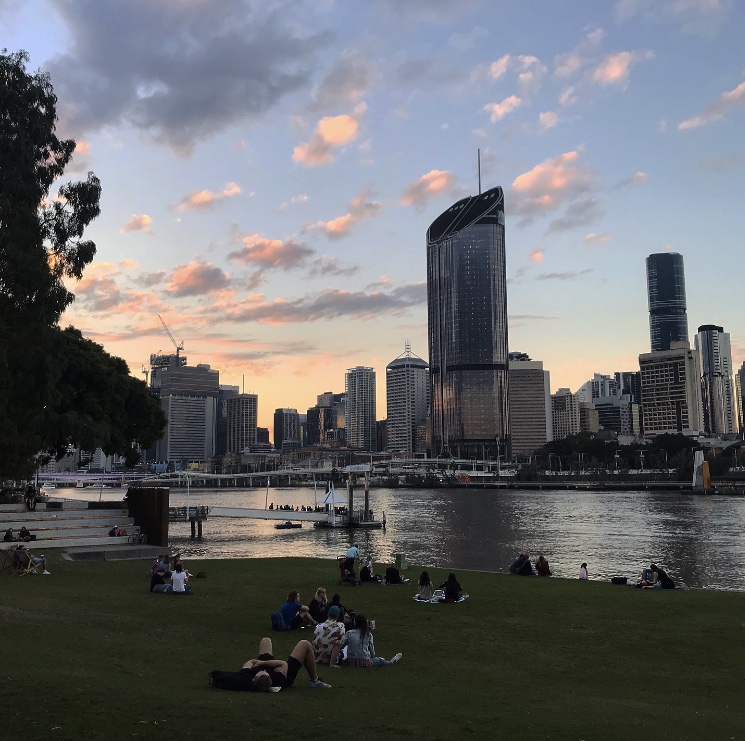
Situated in Brisbane’s South Bank, River Quay is one of my favourite places not just in Brisbane, but in the world. This natural amphitheatre is just along from the city’s street beach and overlooks the Brisbane river with the backdrop of the city centre and central business district. The River Quay is the ideal place to meet with friends and family for a drink (or several) or a picnic. Alternatively, South Bank teems with restaurants, many offering takeaway services, so there are plenty of food options available to enjoy with the view. Beware though, as South Bank’s magpies might just take a fancy to your food or, as they protect their young, make a swoop for you. Whether you choose to visit in the morning, day or night, you’re guaranteed to enjoy what you see. If you’re lucky enough, you might also time your visit with the live music events that River Quay is often host to. River Quay offers not only a stunning view of Brisbane, it encapsulates the Aussie experience – relaxing in the sun, sharing good times, with good people.
Brisbane City Hall clock tower
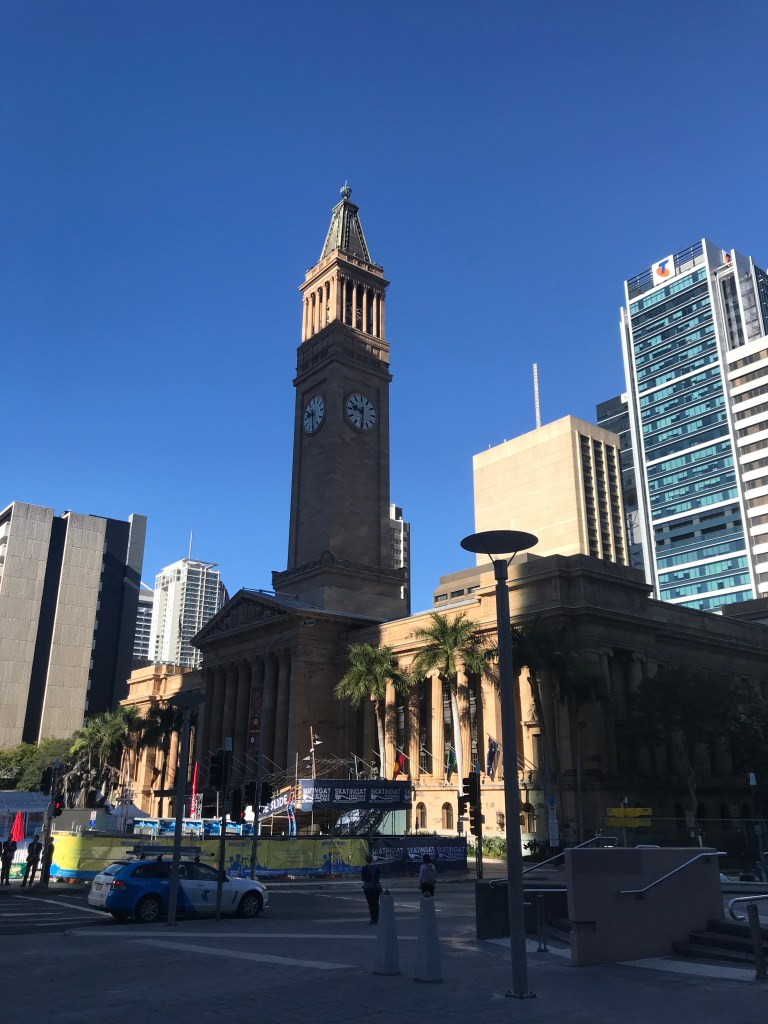
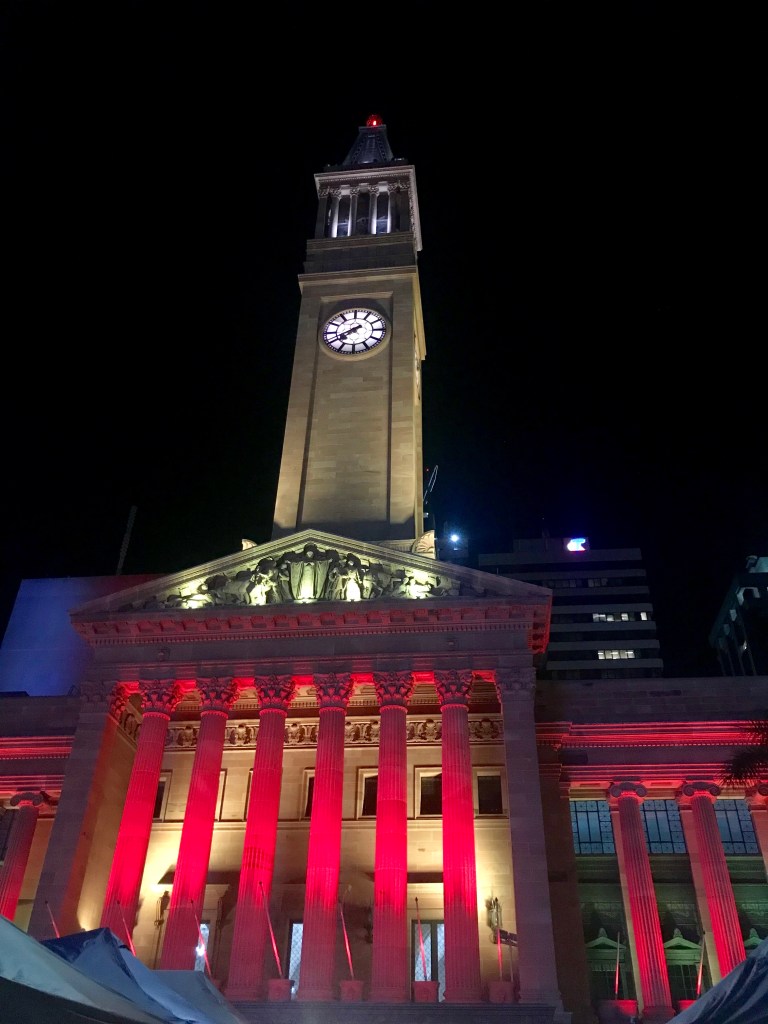
If you want to see the city from another angle, book yourself onto a tour of the Brisbane City Hall clock tower. Admission is free and tours run every 15 minutes but making a booking is essential. Brisbane City Hall is the major feature of King George’s Square and a site to see in Brisbane’s CBD. Booking yourself onto a clock tower tour it is a great way to see the city from a birds-eye view, whether it is basking in the Australian sun or sparkling in the night’s sky.
Brisbane CityCat
Brisbane has made its name as Australia’s river city, so why not take in the city’s sites from the water. The Brisbane CityCat is a ferry that winds its way across the Brisbane river, running from Northshore Hamilton (home of Eat Street), to the University of Queensland St Lucia campus with plenty of stops in between. The CityCat is a great way to explore the city without having to walk its distance and better yet, it’s a very cheap form of transportation so hop on and off wherever takes your fancy.
Victoria bridge
Last but not least is Victoria bridge. Victoria bridge connects South Bank to Brisbane’s central business district and main shopping area and is therefore one of the main transport links in and out of the city, for both vehicles and pedestrians. The bridge is one of many that stands above the Brisbane river and offers a great view of both parts of the city centre. The view from Victoria bridge highlights the surprising contrast in the landscape of the city, from the skyscrapers on one side, to the grassy banks and lush green gardens on the other.
As with most things in the wake of covid-19, travel has an uncertain future. However, while the world to varying degrees is in a coronavirus-induced lockdown, New Zealand has set the precedent and is leading the way out of this terrifying time. For many of us, looking to the future and the possibilities it holds, or revelling in the past, is a great way to pass the time. New Zealand has long been a popular tourist destination for its stunning landscape, but as it has been heralded as an example, it might also become one of the first countries to open its arms to travellers. With this in mind, I look back at my time exploring New Zealand’s South Island for a little escapism and in anticipation of when I can next jet off across the world.
Exploring New Zealand’s South Island
Spending the night in jail
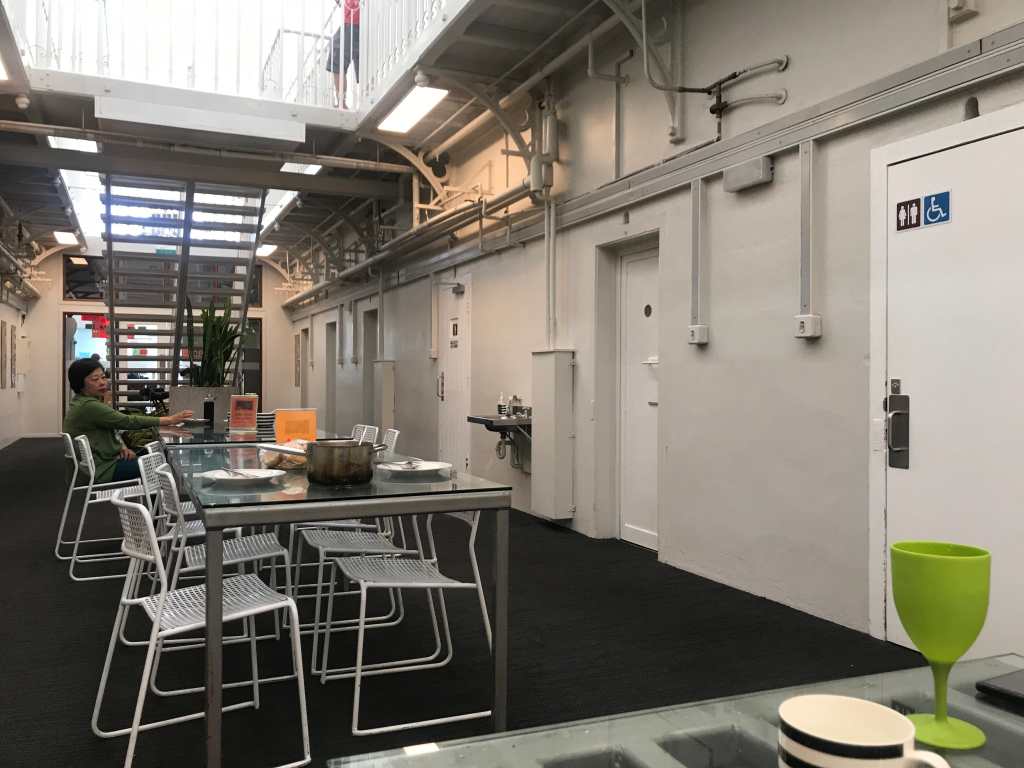
Our first night was spent in jail… With a little research, we were presented with the opportunity to spend the night in an old jail turned hostel and couldn’t pass up the unusual experience. Having interrailed Europe and stayed in hostels in Australia, this jailhouse hostel was a first for me; not many people can say they’ve willingly spent a night in prison!
We therefore decided to spend the first night of our trip in Christchurch which also gave us a breather after the flight before travelling on further. It was interesting to stay in a place with this history and the hostel paid homage to its past with information bulletins dotted around the place.
Lake Tekapo
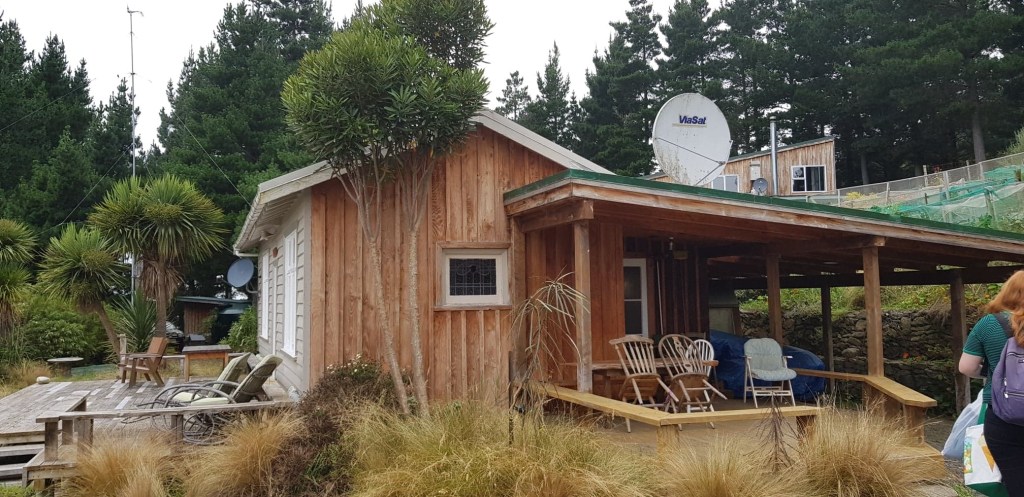
After a two or three-hour drive from Christchurch, we arrived at our next stop, an Airbnb not far from Lake Tekapo. Hostels near Lake Tekapo itself are very limited so we stayed in an Airbnb cottage, attached to a farm. The cottage was very remote, to say the least. Our accommodation was situated in something of a mountain, several miles away from any amenities or other homes. Quaint though the cottage was, this isolated setting inspired unwelcome memories of pretty much every horror movie. However, the cottage was everything we needed for a couple of nights and our host was as friendly as we had imagined Kiwis to be.
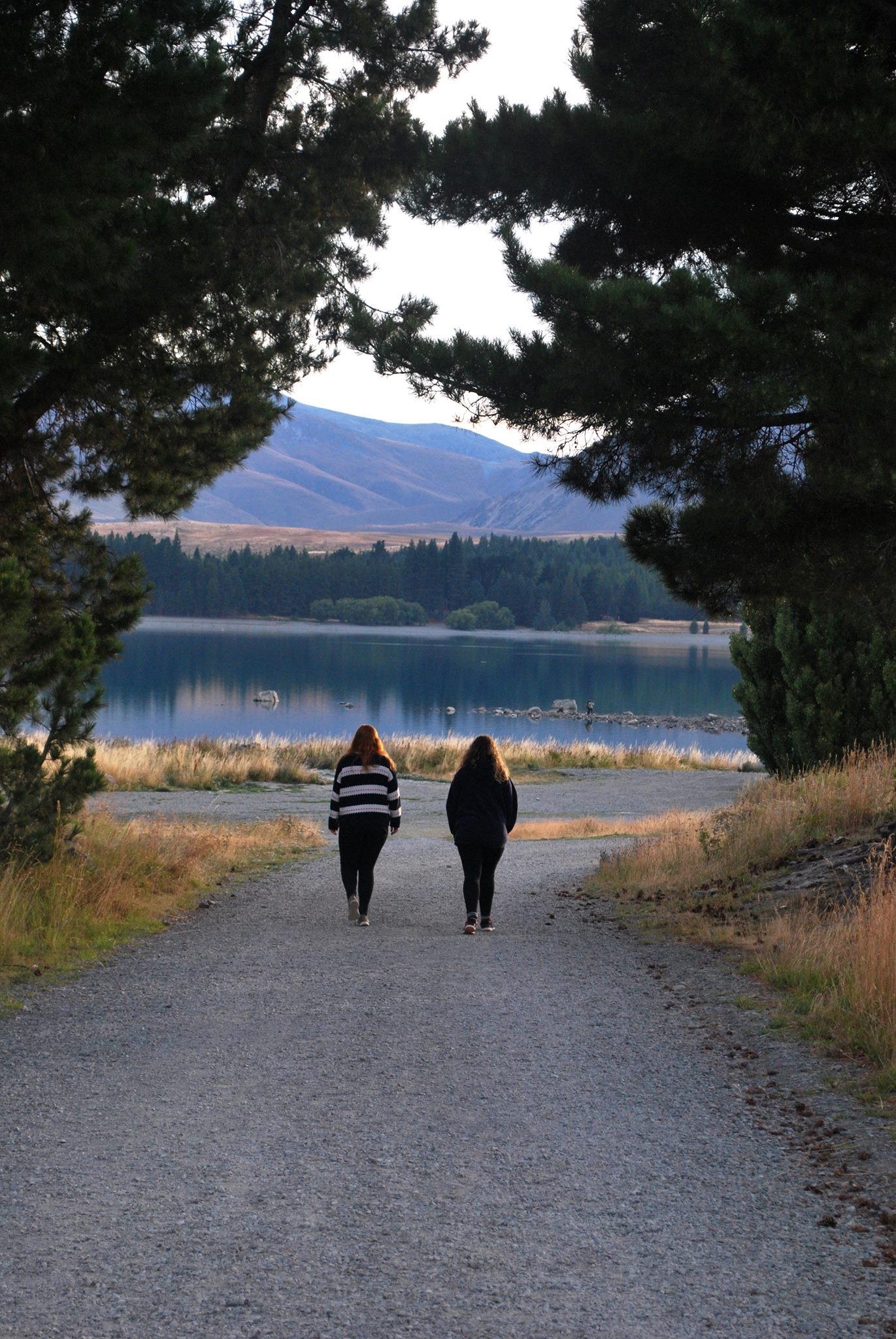
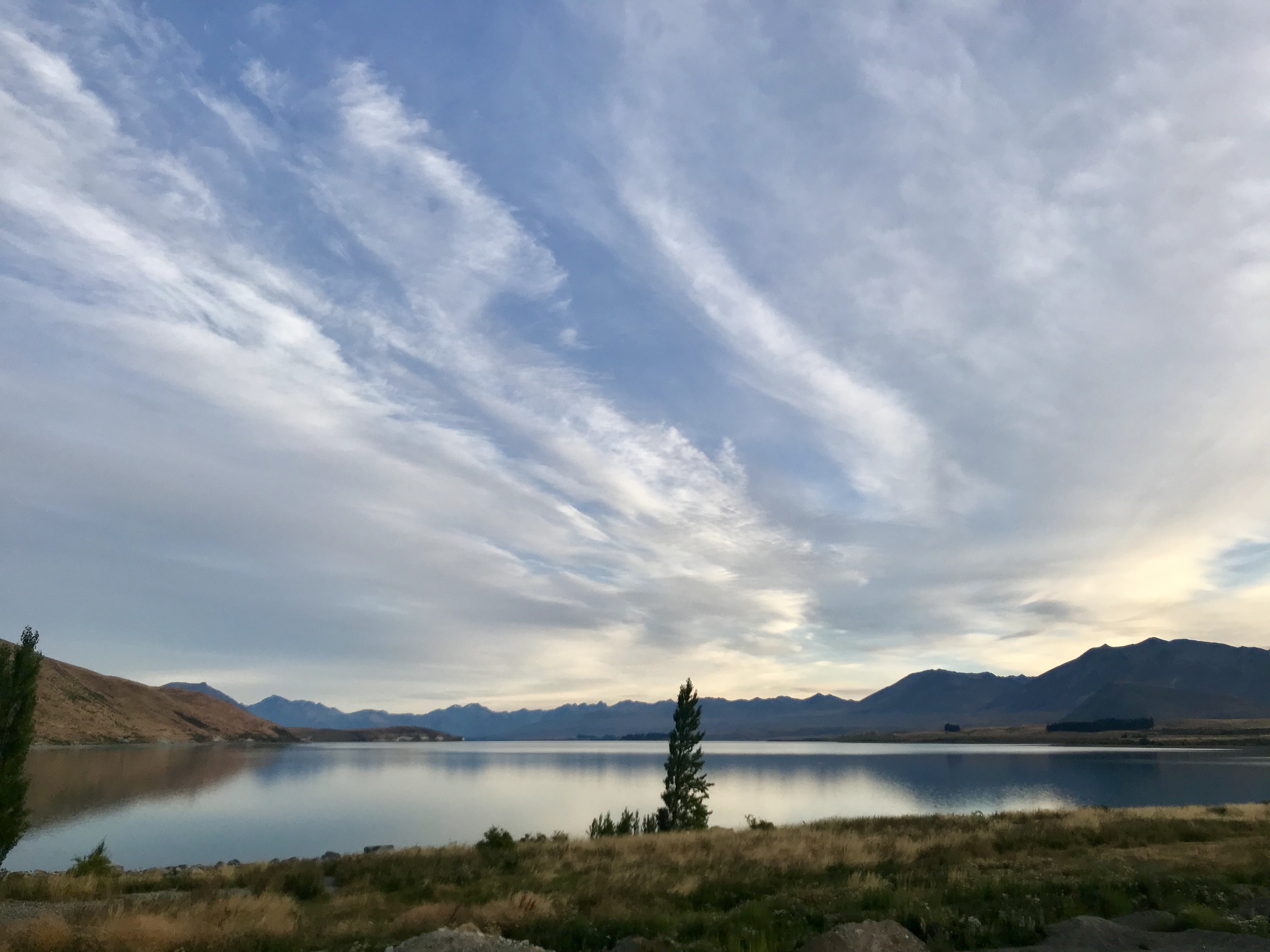
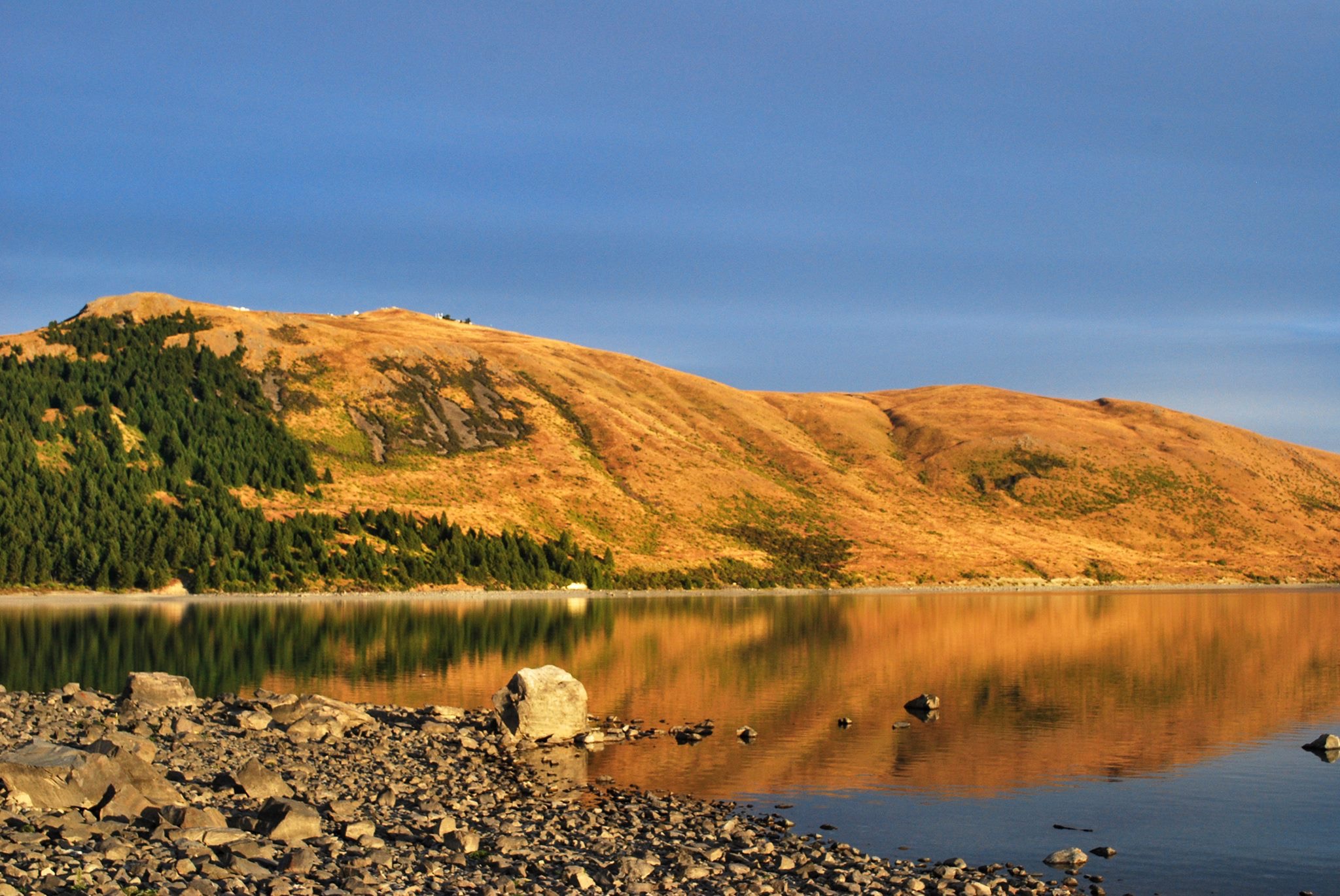
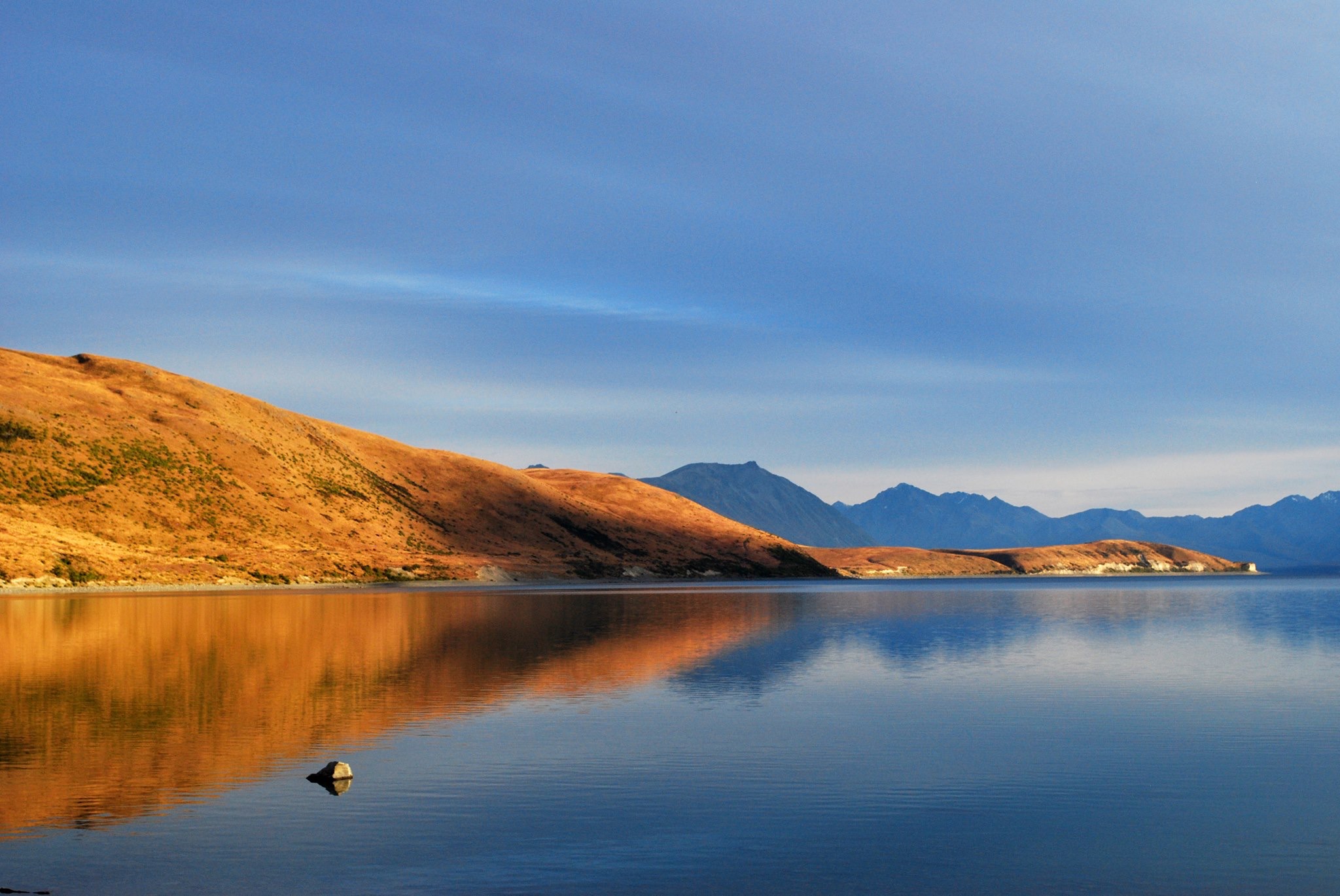
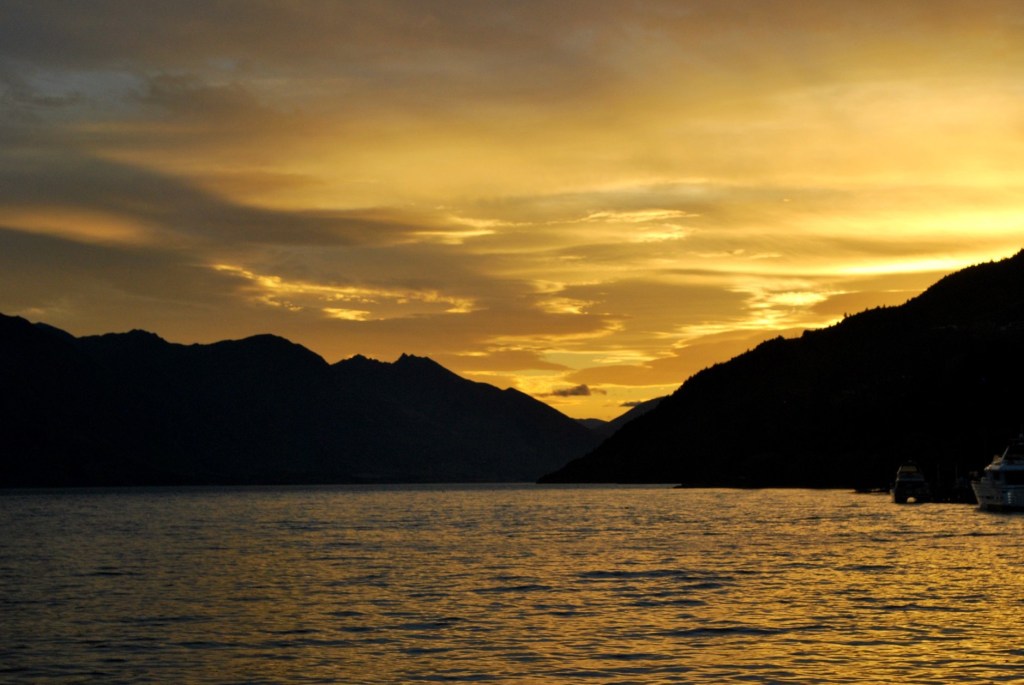
Rising at 4am in almost pitch black and with very bleary eyes, we bundled into the car and set off for Lake Tekapo in time for sunrise. This early wake-up call was entirely worth it for the drive through New Zealand’s countryside alone but the view at Lake Tekapo was better than any of could have imagined or hoped for. As we arrived at Lake Tekapo, the sun was just rising above the mountain peaks. Both the mountains and lake basked in the morning light and seemed to emit something almost other-worldly. The view was something you expect only to see in a heavily edited travel brochure photo, but this was real and ours alone to enjoy (being the only ones to have made it to the lake at the early hour).
Lake Pukaki and Mount Cook
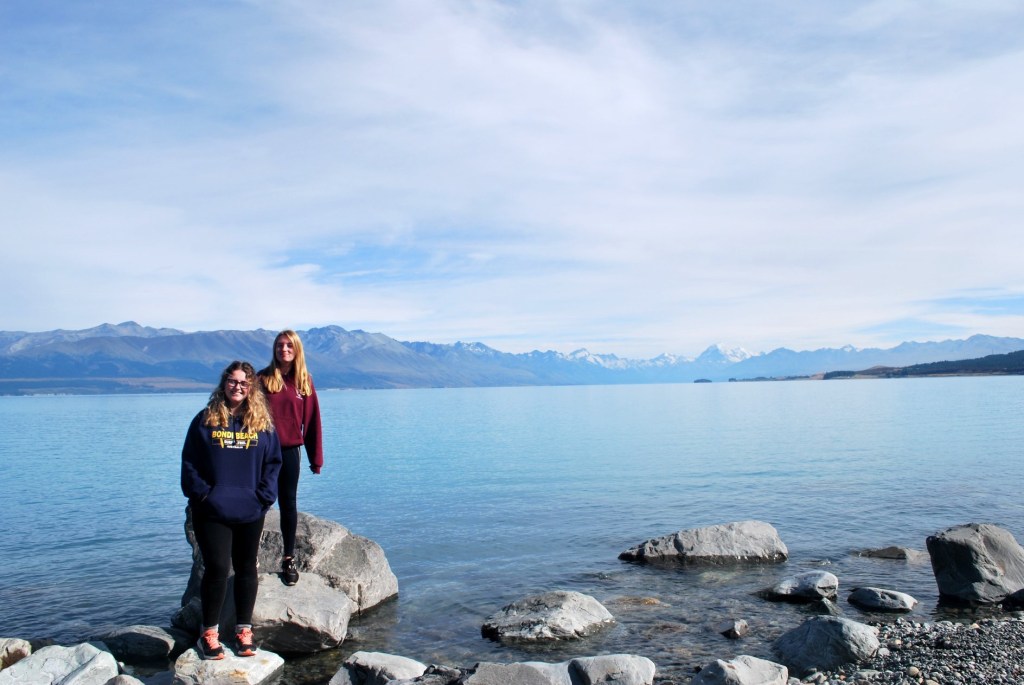
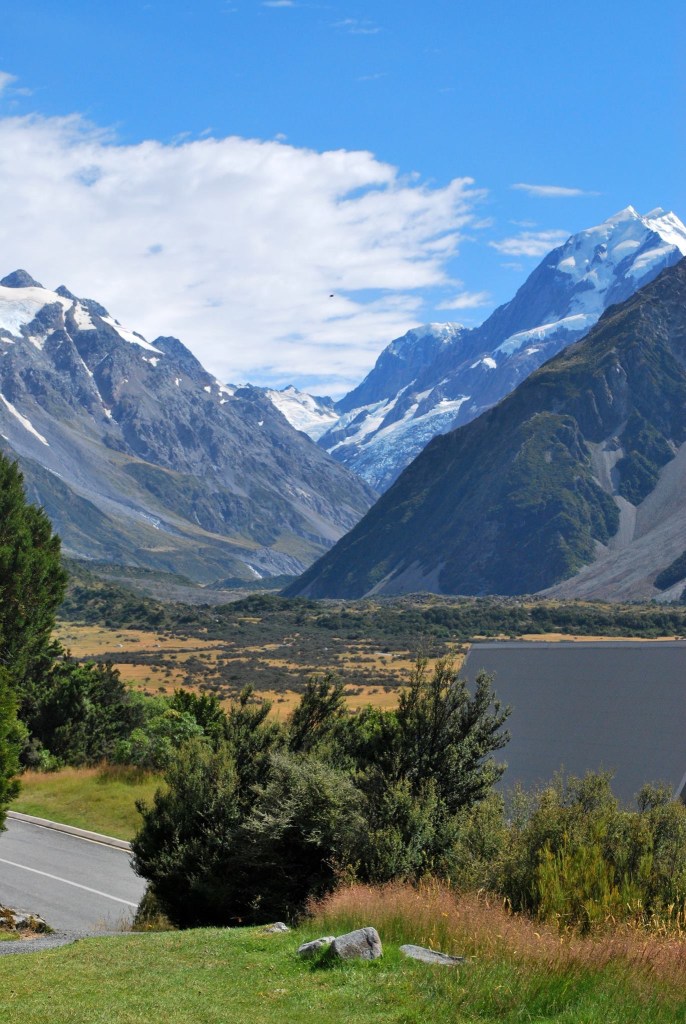
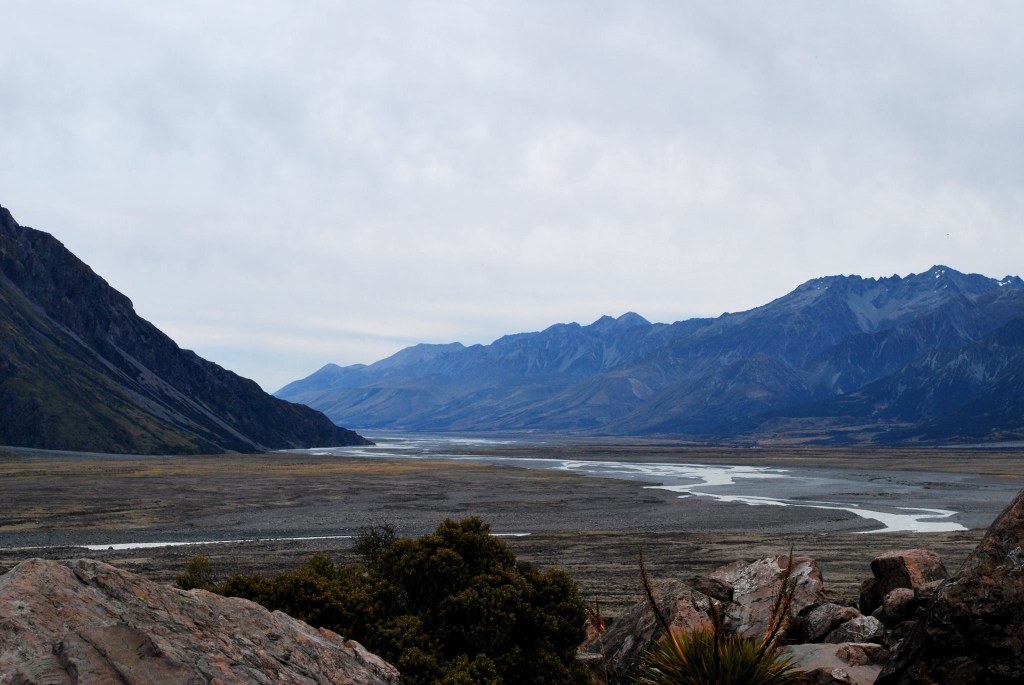
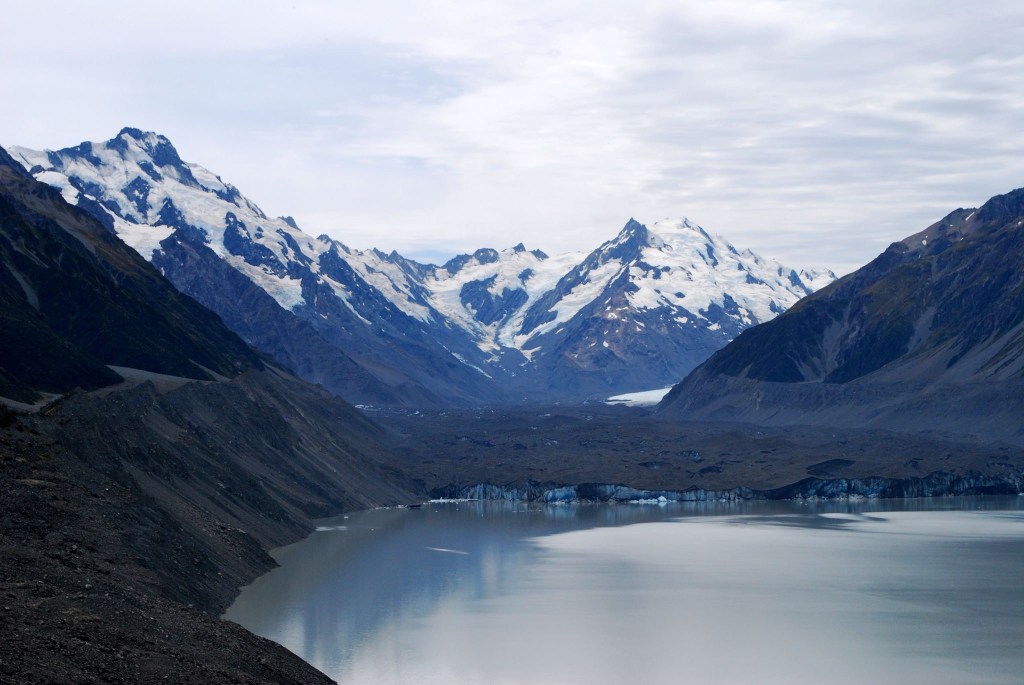
After a further 40 minutes on from Lake Tekapo, we reached Lake Pukaki and Aoaki Mount Cook National Park, home to New Zealand’s highest mountains. The park is very accessible despite its grandeur and offers a wealth of walking trails for every ability, as well as other activities such as helicopter rides, canoeing and stargazing. While others took their walking sticks and their backpacks into the horizon, we opted for a short walk which nevertheless boasted impressive views of the Tasman glacier and surreal, silver lakes. This was without doubt one of my favourite days of the trip and exceeded what I had expected of New Zealand’s unique landscape, images I had before only seen depicted in the likes of The Lord of the Rings films.
Queenstown
While very different from Lake Tekapo, Pukaki and Mount Cook, Queenstown shares the pedestal. We spent a total of five nights at Southern Laughter Backpackers, a great little hostel which I assume in winter months, serves as a ski lodge. This was probably my favourite hostel of the trip, we had a private room which opened out onto a communal and cooking area which we only had to share with one couple, making mealtimes less hassle.
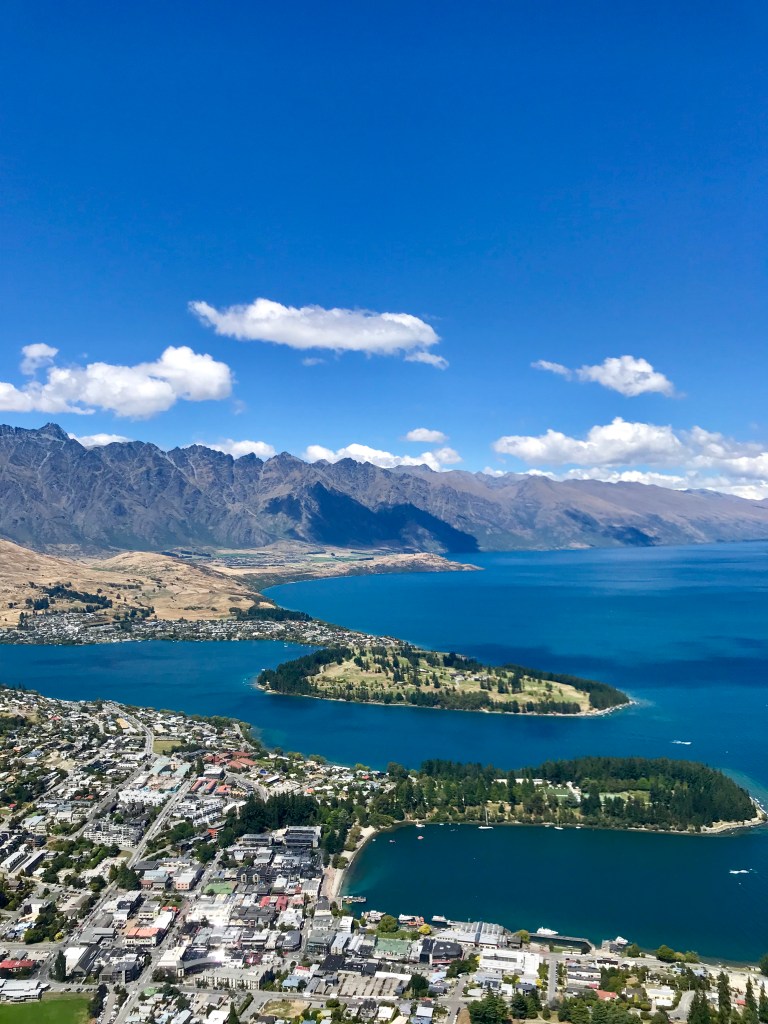
Queenstown is situated on the shores of Lake Wakutipu with the backdrop of the Southern Alps.
Five nights might sound like a long time to spend in one place on a trip like this, but we were certainly not short of things to do. There’s something for everyone in Queenstown, but it is an undisputed hub for thrill seekers. Those looking for an adrenaline rush can test their nerves in any number of ways, from the Nevis swing to white water rafting.
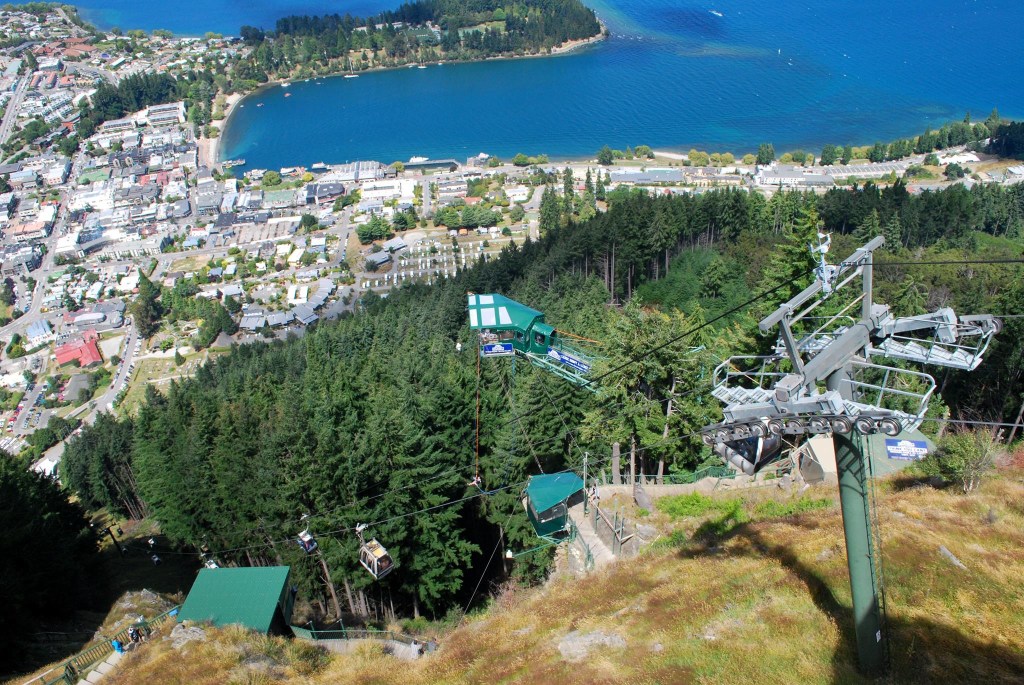
Taking the Southern hemisphere’s steepest (and most rickety!) cable car journey 450 metres up to Queenstown’s skyline viewing platform was about as nerve-wracking as it got for us. The view from up high looking down upon Queenstown, Lake Wakutipu and the surrounding alps was stunning and likely unbeatable from anywhere else in the town. Better yet, this cable car journey didn’t break the bank; you can even afford to enjoy a hot chocolate from the café while taking in the view.
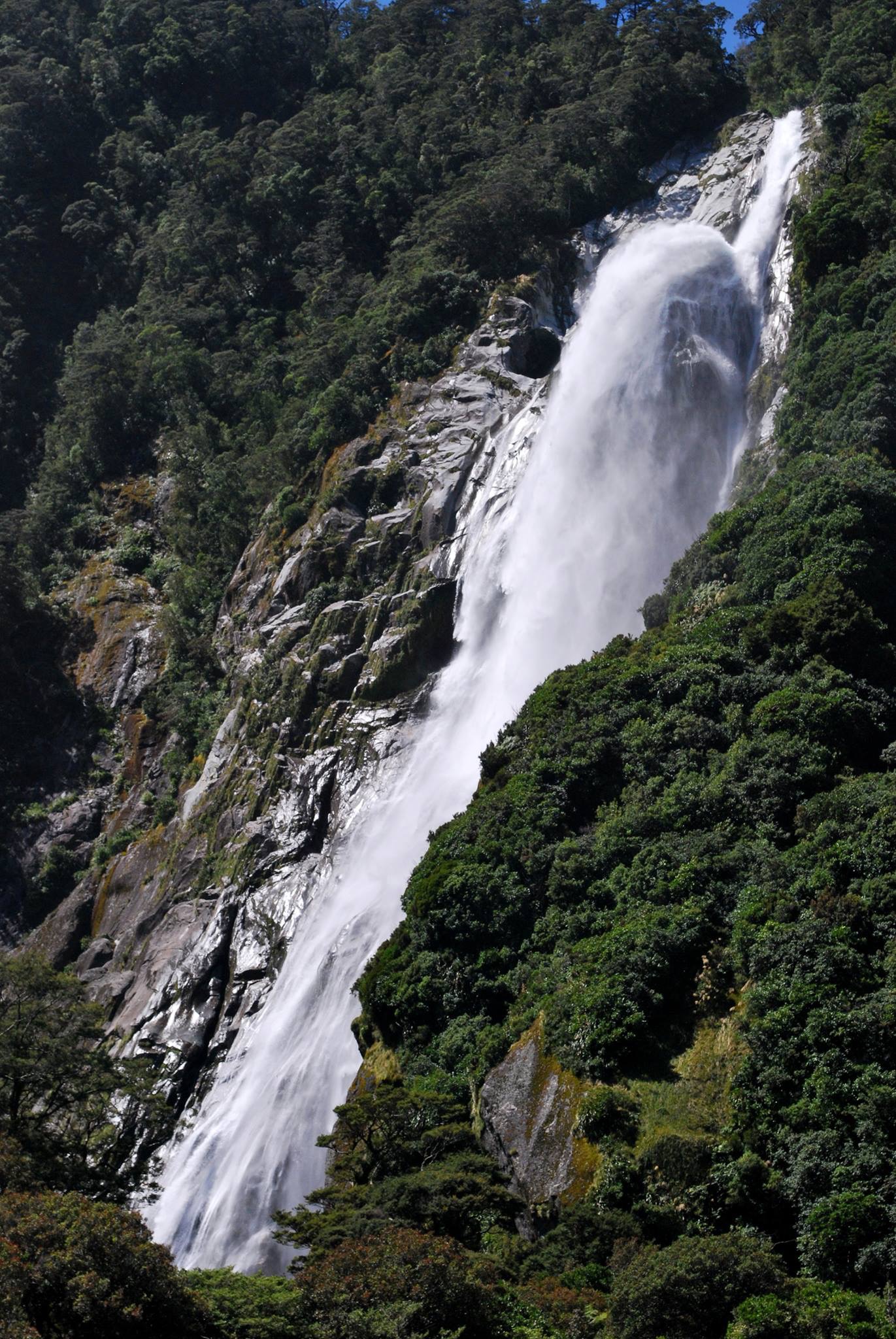
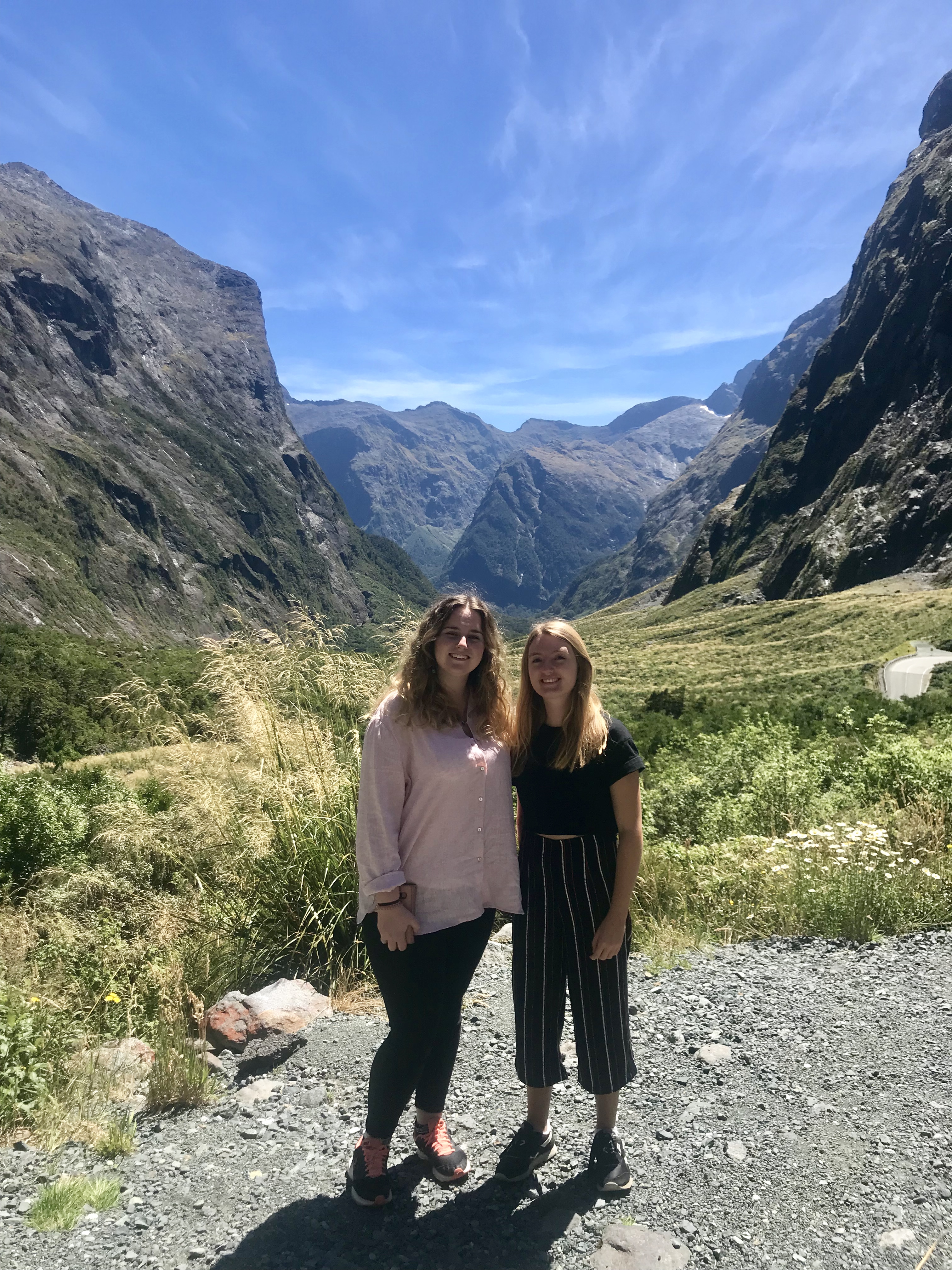
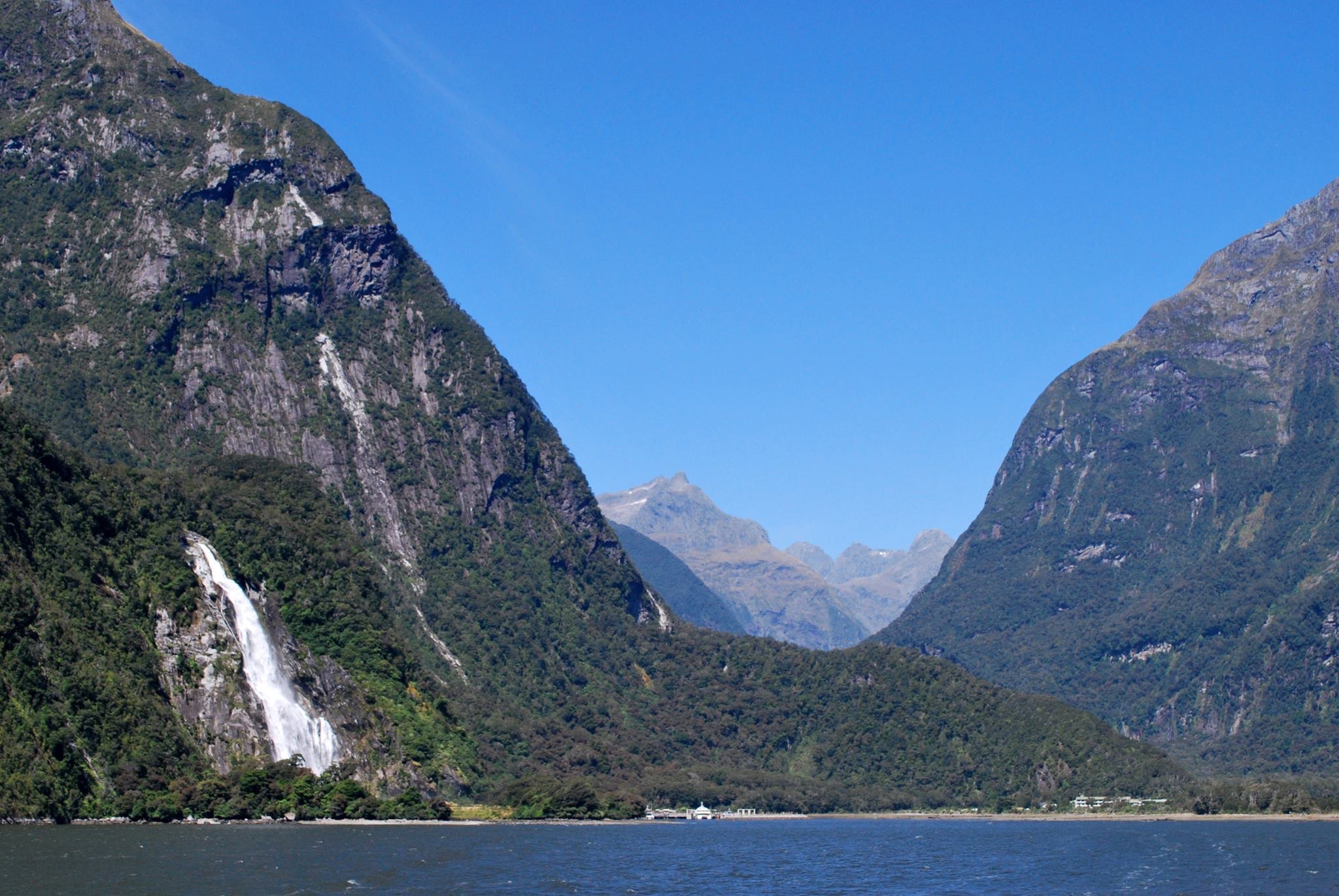
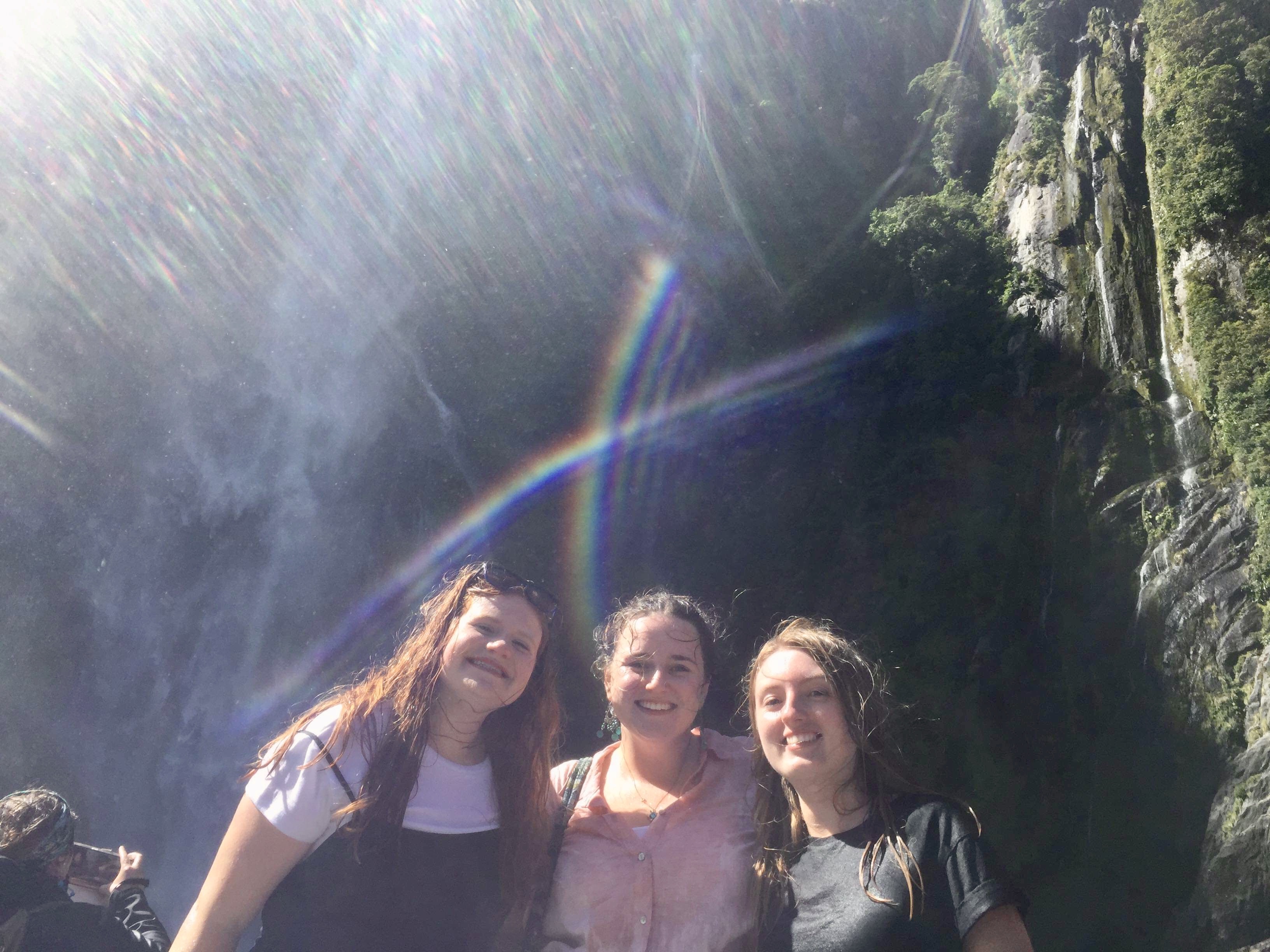
From Queenstown we also booked ourselves a day trip to Milford Sound, one of New Zealand’s most popular natural attractions. Milford Sound is a fiord in the Southwest of the South Island and aside from the spectacular views offered by the landscape ,it is also host to penguins, seals and dolphins. The latter of these we were lucky enough to spot close-up as they seemed eager to lead the way for our boat. After a freezing encounter with one of the several waterfalls, we returned to our coach soaking but exhilarated.
Invercargill.
Invercargill was definitely the low light of our trip. We renamed this in-the-car-gill, as this is where we seemed to spend the majority of our stay in the town, entertaining ourselves by eating whatever we had bought from the local Woolies. It didn’t help that the weather wasn’t ideal; high winds whipped sand at us as we attempted and abandoned a trip to the local beach.
If we weren’t in the car stuffing worrying numbers of crème eggs, we were lounging about in our Airbnb watching back to back wedding programmes. This wasn’t exactly what we had hoped from Invercargill but there didn’t appear much else to do in the small, industrial town.
Dunedin
Fortunately, Dunedin was everything Invercargill wasn’t. The only similarity between the two being that they are both small towns, Dunedin, by contrast, kept us busy. Dunedin’s architecture makes it pleasing to the eye and this is highlighted in the now disused, but nevertheless still picturesque railway station.
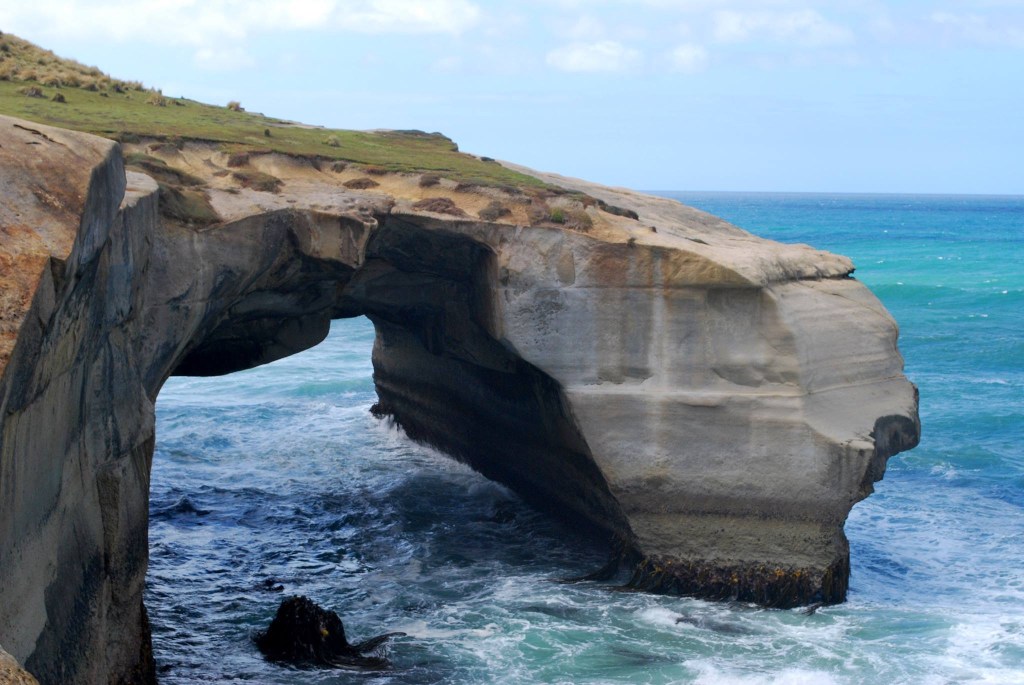
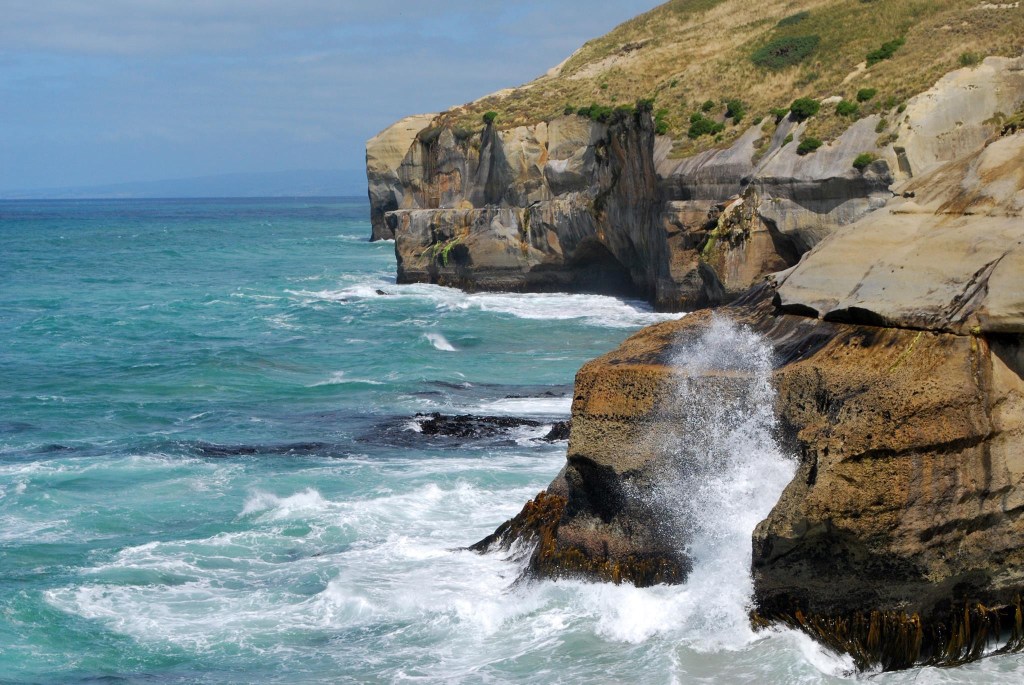
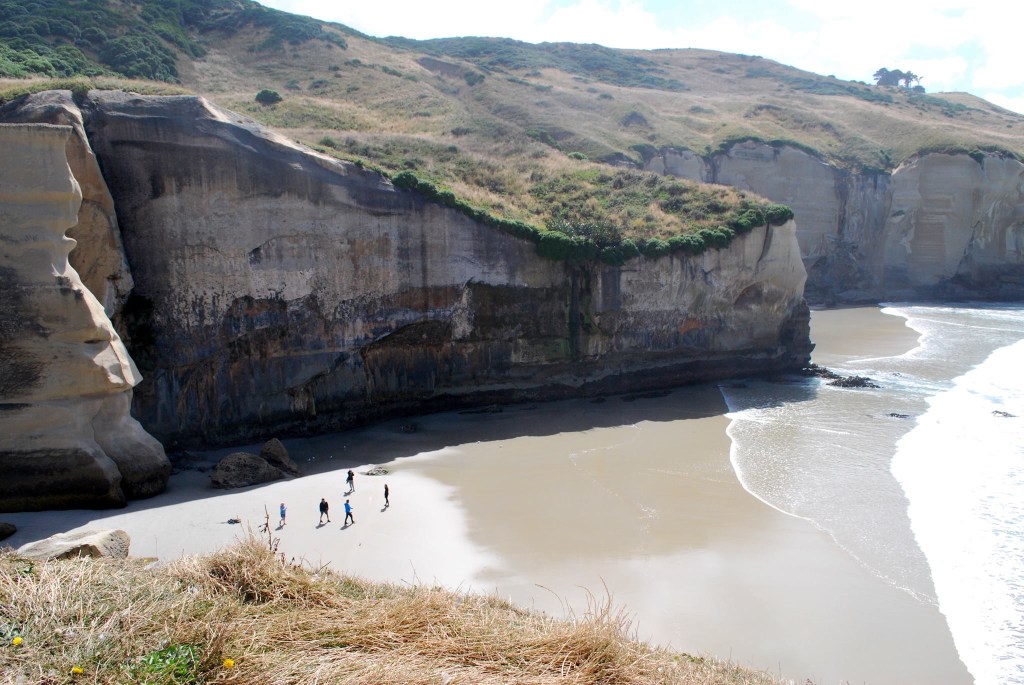
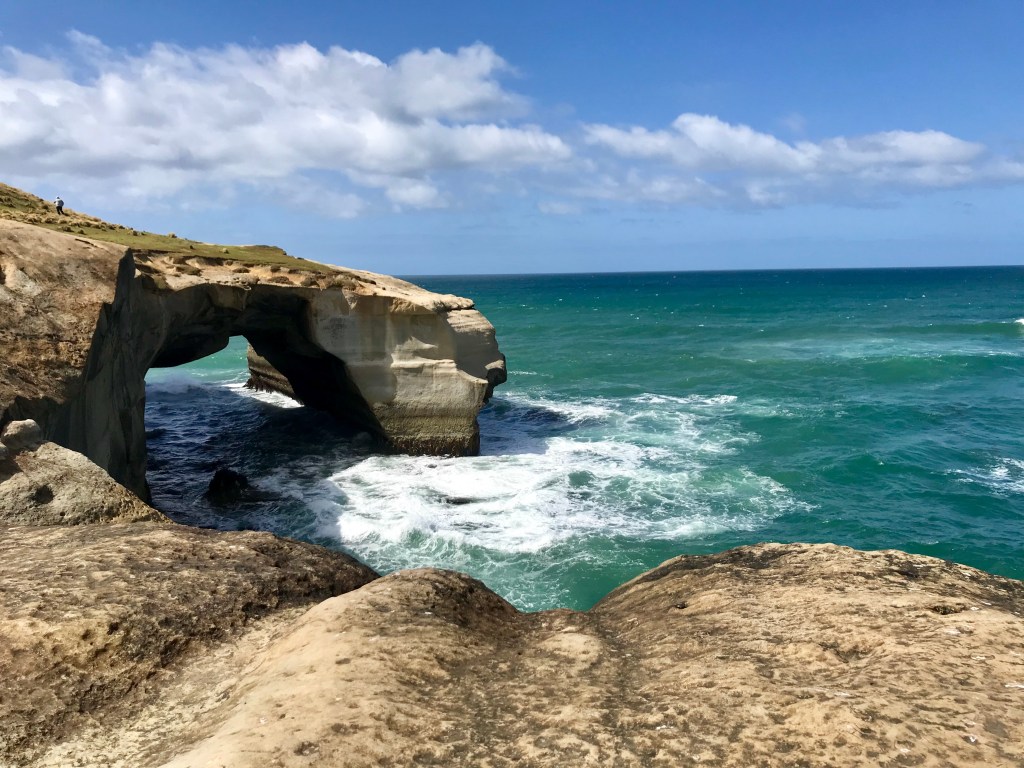
Just outside the town itself, Dunedin is situated in beautiful natural surrounds. We took the the tunnel beach track which offered the grand (but no less special for their frequency) views we had come to expect of New Zealand.
Christchurch
Finally, for our last five nights we returned to Christchurch. Knowing that Christchurch is the capital of New Zealand’s South Island and with the knowledge that my best friend used to call the city home, I was definitely keen to explore.
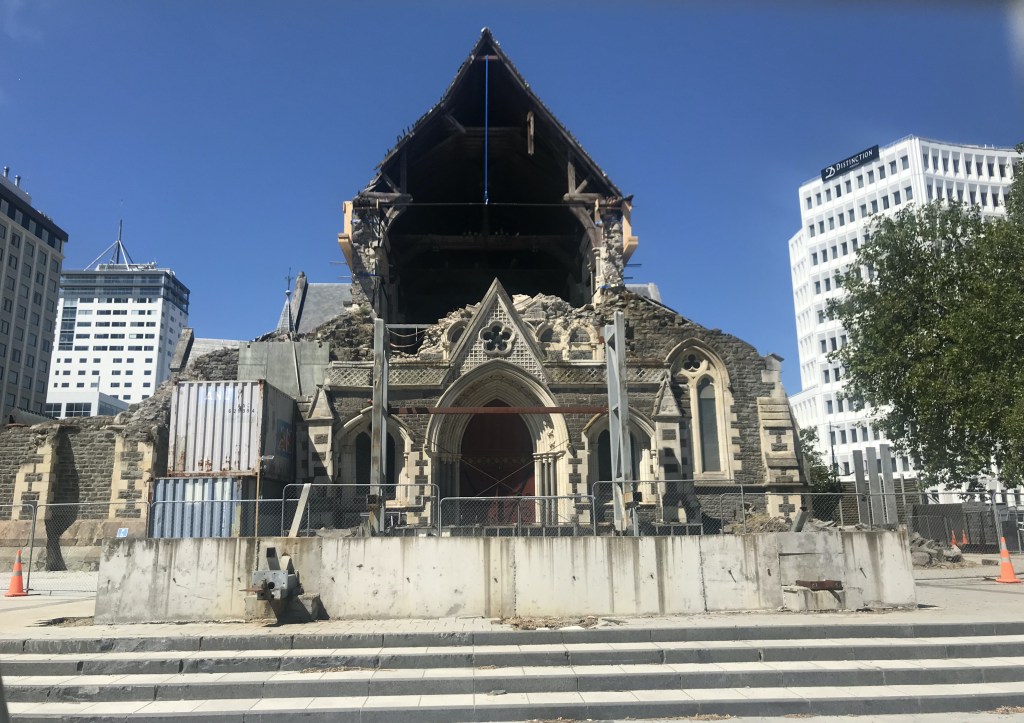
What struck me most about the Christchurch was how surprisingly empty it felt for a city. In many ways Christchurch seemed to be existing in two different eras; the city was divided between the old and the new. In some parts of the city, the buildings were still rubble that appeared abandoned (perhaps intentionally so?) after the 2011 earthquake. Meanwhile, other parts of the city were evidently new-build and recovering, creating a stark contrast and the sense of a city frozen in time yet trying to move forward. We hadn’t expected this but it definitely provoked reflection and discussion between us, as to the magnitude and effects of both natural and manmade disasters.
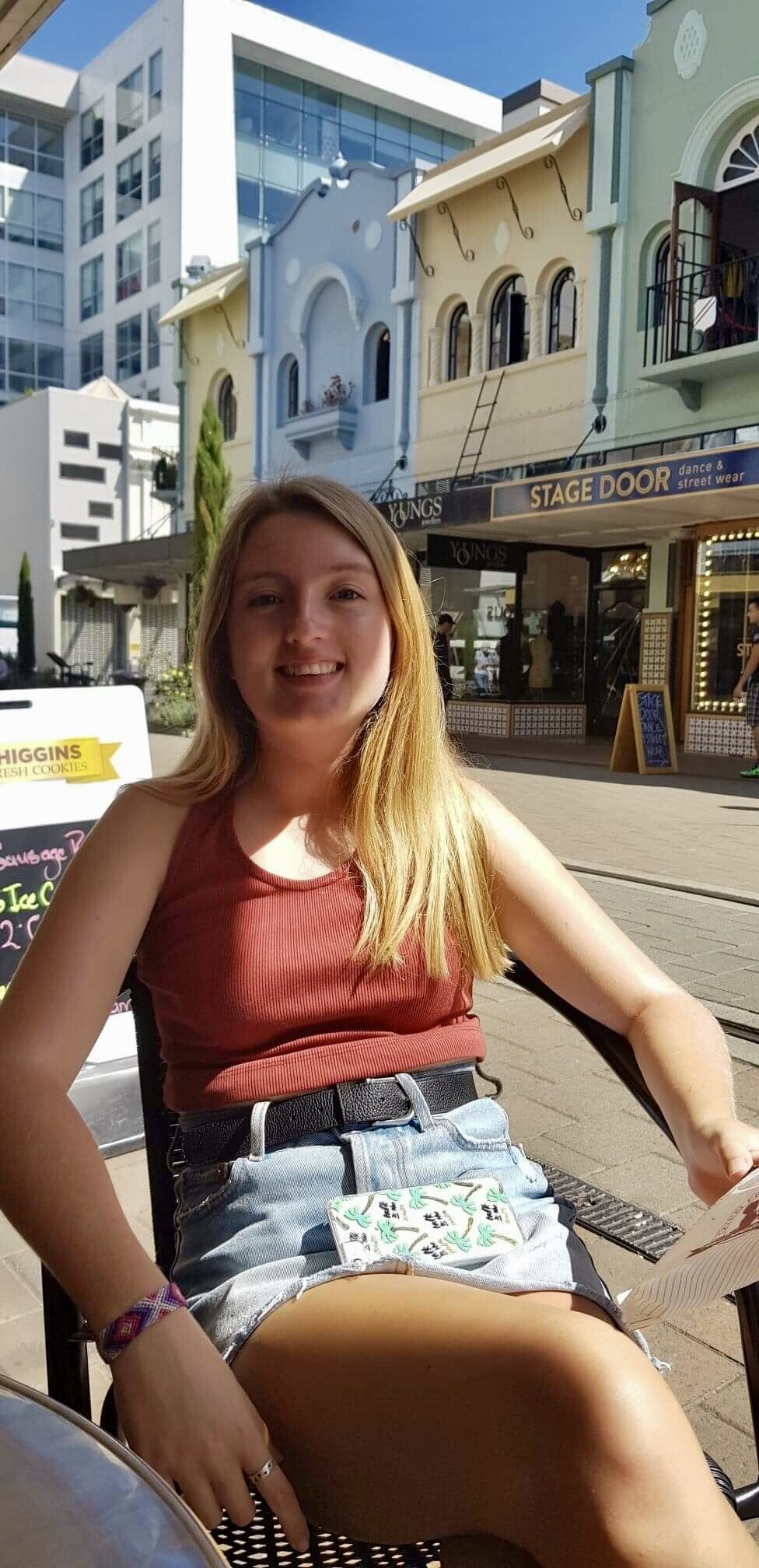
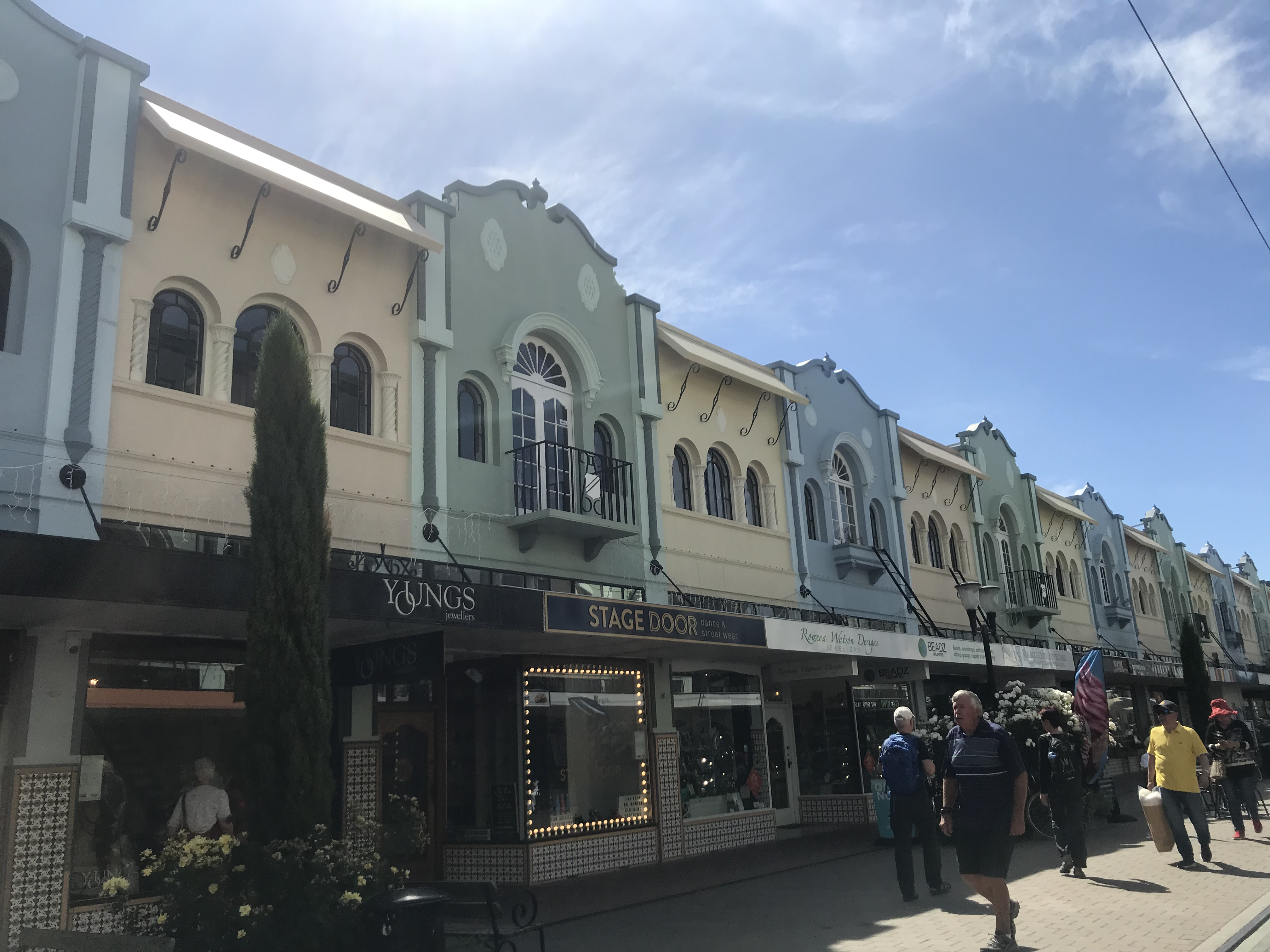
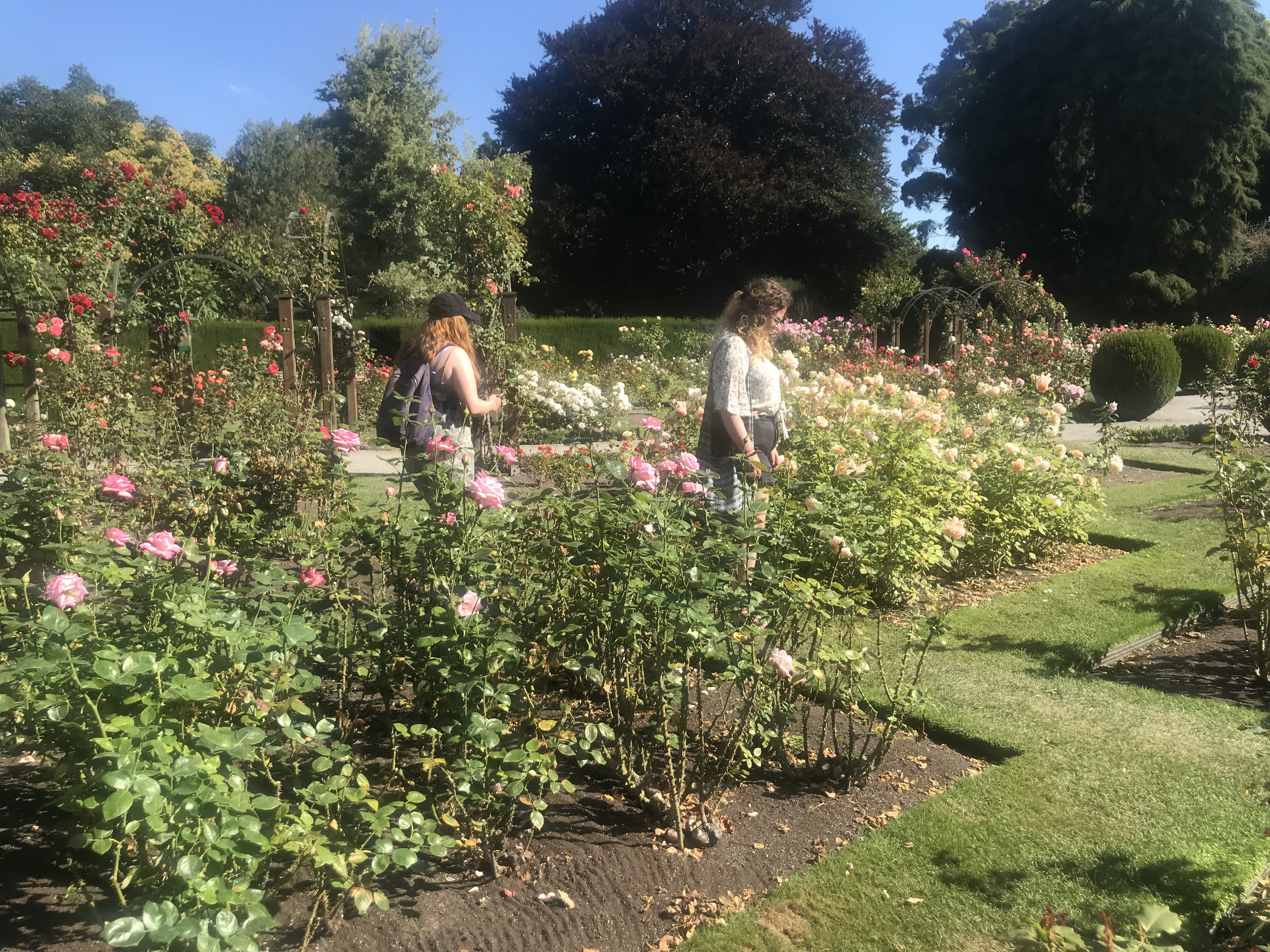
Despite the devastation Christchurch has experienced, it is nevertheless a charming city. My personal highlights of the city include the botanical gardens, the Chinese gardens, the tramways and the quaint old streets with their pastel colours that looked as though they belonged to a different age. We were also lucky enough to be in town in time for the Christchurch noodle festival, which made for a cheap but tasty dinner.
While the world gets back to (a new) normal, New Zealand will likely be one of first countries to which travel is possible, a perfect excuse to tick it off your bucket list!
Melbourne is one of Australia’s top city destinations, second only to Sydney. It is the capital of Victoria but also widely considered to be Australia’s cultural capital. Melbourne boasts numerous street-art laneways, art markets (many of which are located in the suburb of St Kilda), galleries (such as National Gallery of Victoria and Art Vo) film festivals and museums. For more entertainment, Melbourne is also home to the Arts Centre Melbourne, which is an iconic performing arts complex, alongside the Australian Centre for Moving Image, situated in Federation Square. Melbourne’s also got you covered for all your sporting needs too; see one of Australia’s favourite sports played in “The G”, otherwise known as the Melbourne Cricket Ground. Alternatively, witness the best in tennis battle it out in the first of the four grand slams at the Australian Open, played in Melbourne Park. With all this in mind, there is certainly no shortage of things to do in Melbourne.
Last year I was lucky enough to travel with four friends to Melbourne during our mid-semester break at uni. Having heard the rumours, that Melbourne is a must-see and Australia’s city of culture, we were finally able to see what makes this place so special.
Queen Victoria Market
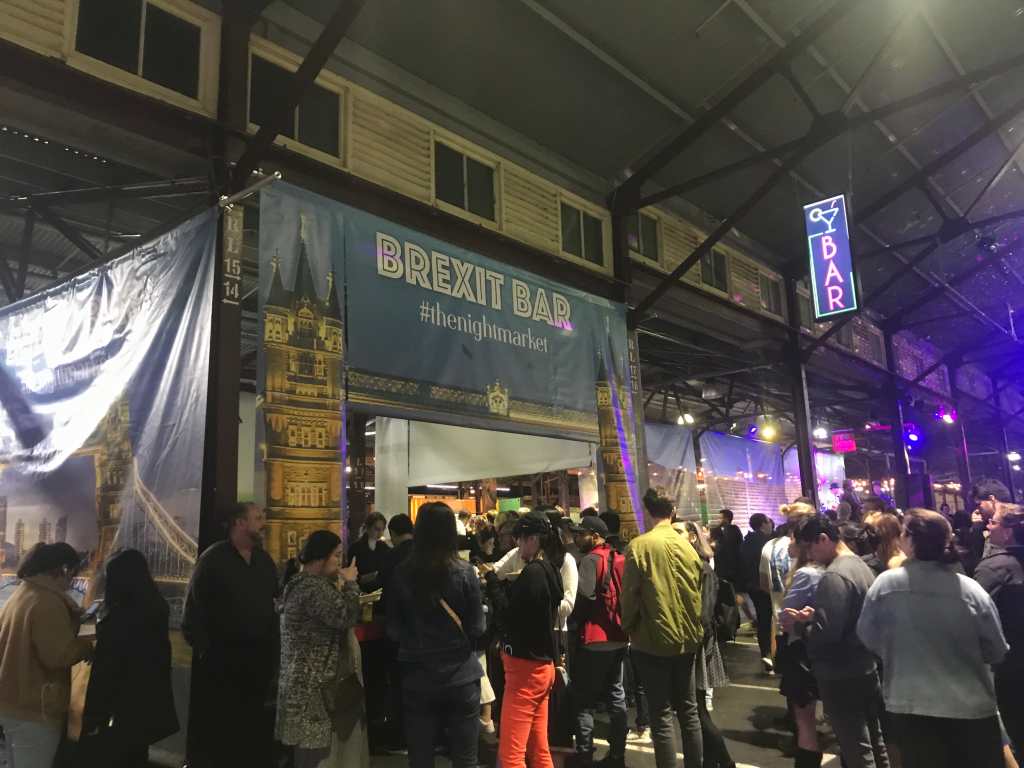
After a pointer from our hostel, we spent our first evening in Melbourne feasting at the Europa Night Market. The Europa Night Market is held at and hosted by the Queen Victoria Market, which during the day serves a multitude of products, from groceries to clothing to pet products. Every so often however, for a number of weeks Queen Victoria Market make room in their after-hours diaries for the Europa Night Market, a weekly European food night held on Wednesday evenings.
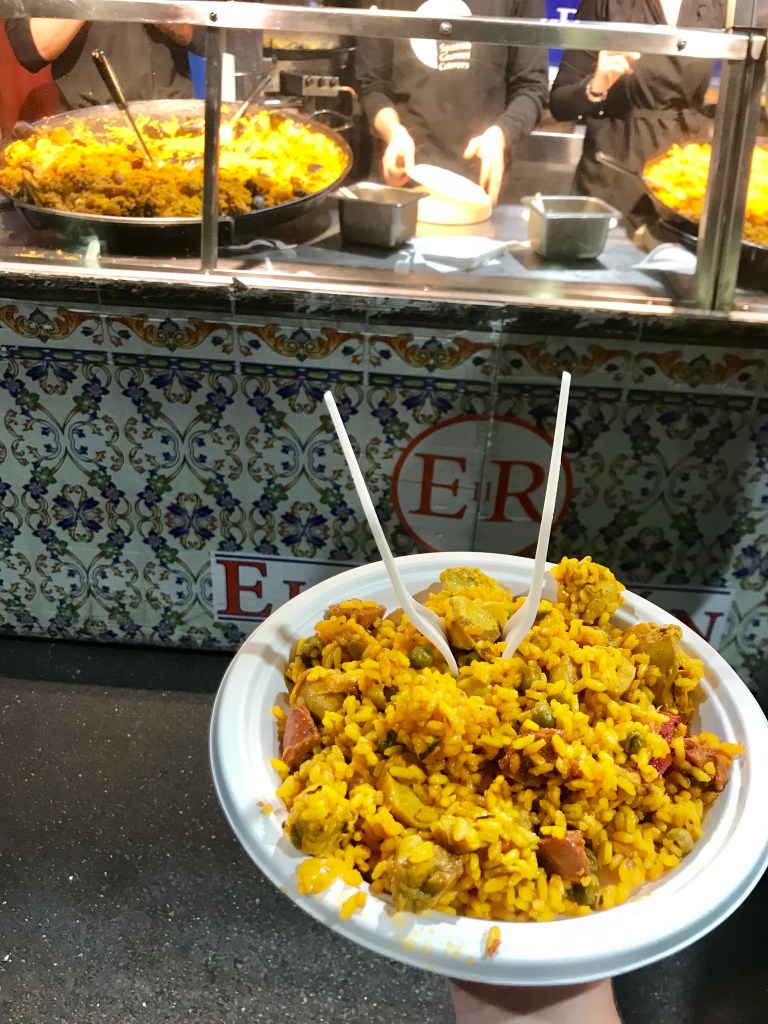
Alongside its many other taglines, Melbourne is also considered Australia’s most European city: for its climate, its architecture and last but not least, its food. The Europa Night Market is a culinary display of just how vast Melbourne’s food scene is. My friends and I spent the best part of an hour circling the food stalls before splitting off to fill our plates and our stomachs. On the menu was authentic cuisine from every corner of Europe; Belgian frites, Spanish paella, French cheeses and crepes and just about anything else you can think of. The British offering, much to our amusement and dismay, was a Brexit Bar.
We did eventually find a far better homage to Britain in the form of proper pub-grub: pie, mash and gravy. We did as Brits stereotypically do abroad and found ourselves a British pub. In our defence, we were feeling nostalgic as the relatively (when compared to Brisbane) cold weather reminded us of home.
City Laneways
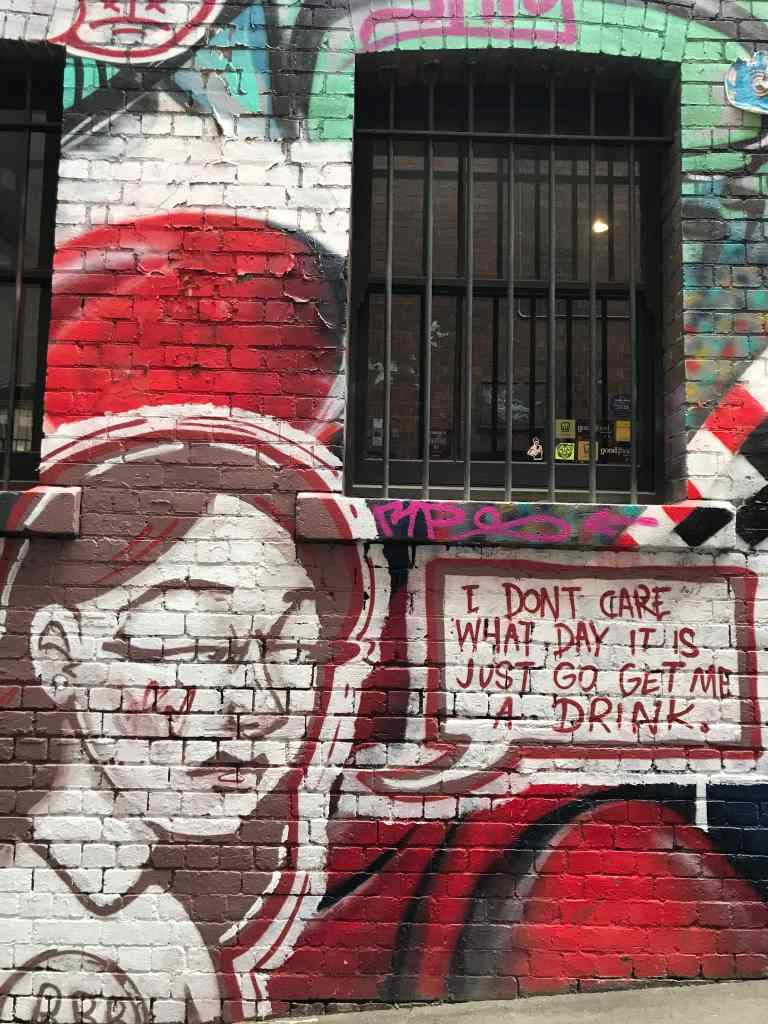
Melbourne is famous for its laneways, many of which are narrow streets exhibiting some of Australia’s best street art. If you know of Melbourne’s street art, then you’ve most likely heard of Hosier lane. Hosier lane is an ever-changing grungier version of an art gallery. However, if you’re hoping to get the perfect Instagram pic, you’ll want to arrive early to avoid someone photo-bombing your shot.
Nightlife
Nightlife is bigger in Melbourne than it is in Sydney and perhaps even Brisbane. To enjoy Melbourne’s nightlife however, you can also expect to pay more and face stricter dress codes. My friends and I began our night out drinking in one of the many bars on Southbank that adorn the Yarra river. After a walk across the city, we ended up at a club with a long line and a $20 entry fee. Faced with this, we turned back to our hostel bar with a new group of Aussie’s in-toe. Our slightly grubby hostel bar wasn’t quite how we had intended to end the night but with rum and cokes on offer all night and only a short stagger to bed, we had no complaints.
Penguins at St Kilda
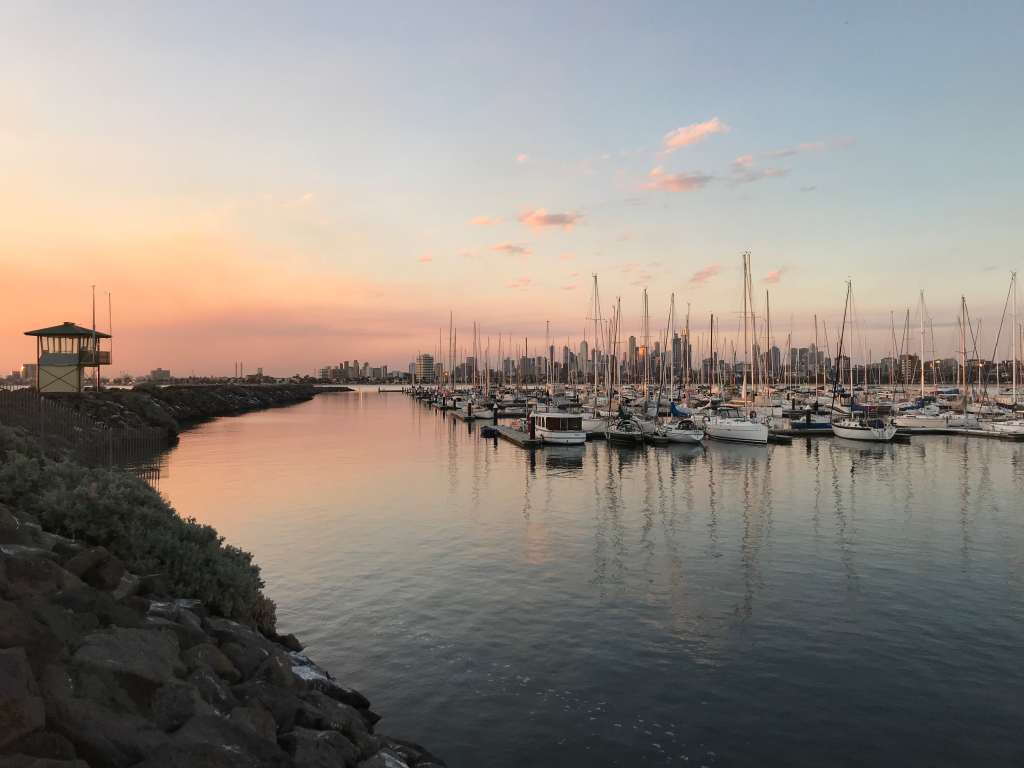
Just a short journey from central Melbourne is the suburb of St Kilda. St Kilda not only offers a range of cafes/restaurants along with a beach but is also home to Melbourne’s penguin population. After a short walk along the promenade and a quick look at Luna Park, we made our way down the pier. As day turns to night, the penguins can be seen swimming in the waters, and climbing in and out of the rocks. Though a popular tourist destination of course entices the crowds, this is a surprisingly well-managed sighting opportunity, and everyone gets the opportunity to see the penguins in their natural habitat but keep your eyes peeled to be the first to spot them. Partner the penguin spotting with watching the sun set behind Melbourne’s CBD and you have yourself an evening to remember.
Anzac Day
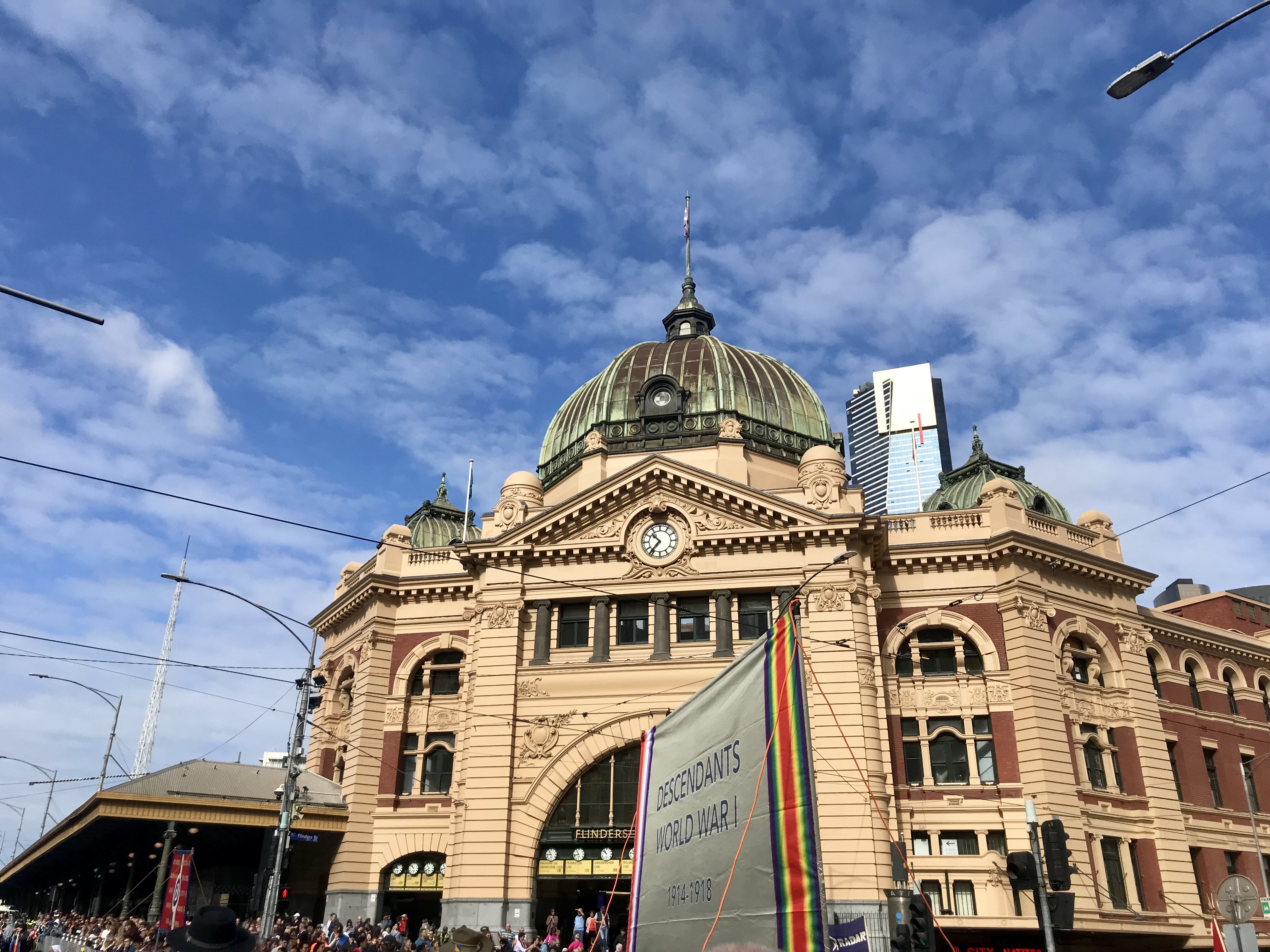
We were lucky enough to find ourselves in Melbourne for Anzac Day; a national day of remembrance that commemorates all Australians and New Zealanders who served and died in war and conflict. We watched the Anzac parade from one of Melbourne’s most famous and architecturally impressive buildings, Flinders Street Station. Veterans and their families represented their regiments as onlookers, like ourselves watched, remembered and felt gratitude for their sacrifice. This was a special moment for us as a group of friends representing Britain, the U.S and Spain, to share together and to share with the Australians amongst us.
Melbourne is a city of many nicknames. This isn’t surprising given how much it has to offer. With so much to see and do, Melbourne is without doubt on my list of places to return to: to relive the moments I loved but also to do justice to its art scene and with a bigger budget and maybe one day a driver’s license, to make a trip down the popular Great Ocean Road. Our time in Melbourne was relatively short but certainly sweet.
As I write this, I watch the rain drizzle down my window while the grey clouds cast themselves over the student property opposite, which appears just as bleak and dismal as the sky above. It’s typical British weather; glorified in every Hollywood rom com but the rain is relentless, and winter never seems to end. By contrast, last year I was on the eleventh floor of an apartment building overlooking Brisbane’s South Bank and CBD, with the sun streaming in for most of the day. But Australia’s appeal extends far beyond its attractive climate. Australia is the dream destination for many people. The golden beaches, the flora and fauna, the long days under the sun and the chilled-out but equally vibrant cities and people; there are so many things to love and so few not to. Despite the shared cultural practices and norms between the Brits and the Aussies, for many of us, life in Australia is something we can only imagine and hope to one day experience for ourselves.
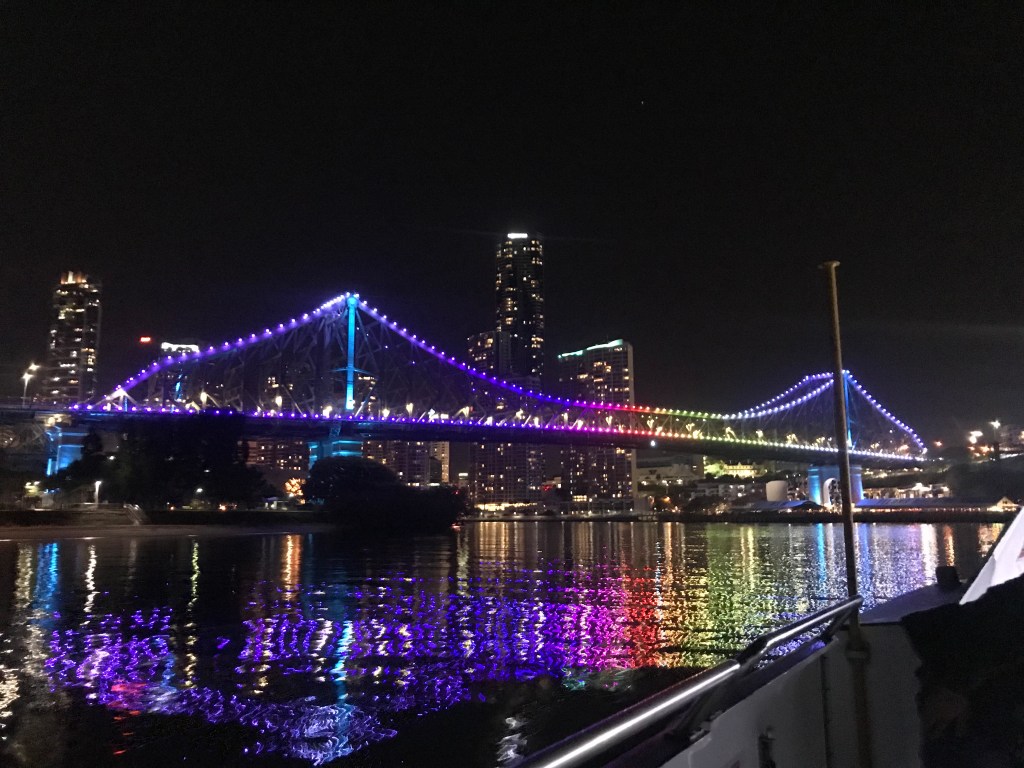
Brisbane is the capital city of Queensland and became my home away from home last year. Whilst most tourists might think of the beach when they think of Australia, Brisbane is one of the few big Australian cities without a beach, or at least, a natural one. While it might not quite boast a beach haven like Bondi of Sydney, Brissy or Brisvegas as it’s known by locals is Australia’s “River City”. As the Brisbane River loops its way into the central business district under Story Bridge and round to South Bank, there is no shortage of riverside bars, restaurants and parks to enjoy under the Australian sun. For any Brit, it is like being in a beer garden on the hottest day of (an otherwise disappointing) British summer, when everyone takes the time out to relax and enjoy a bev or two (naturally), with family and friends. But in Australia, this isn’t a one-day event, this is life.
What Brisbane lacks in beaches, it makes up for elsewhere. In recent years Brisbane has undergone a boom in developments: new hotels, nightlife scene, laneways and suave restaurants and it appears to have only just begun. For this reason, it has been included on National Geographic’s “Cool List” for 2020. With its art galleries, museums, laneways, bars and live music venues, it is certainly beginning to give Melbourne a run for its money as Australia’s City of Culture. For those that can’t get enough of the beach life, Brisbane has its own ‘city beach’, a man-made beach situated in South Bank amongst a wealth of shops, bars and restaurants and overlooking the Brisbane River onto the city centre. While it might not be the ‘real deal’, on the plus side there are no riptides or lurking sharks to worry about.
View from the Emporium Hotel Bar (South Bank)
View from Kangaroo Point Cliffs
Aside from the city itself, Brisbane is perfectly situated to travel to and from. On Australia’s East Coast, the city is within driving distance of Byron Bay, Surfer’s Paradise (Gold Coast) Stradbroke Island, Noosa, Springbrook National Park (the first home of I’m a Celebrity…), Fraser Island and of course, the Great Barrier Reef, to name just a few. While it is unfairly overlooked as a holiday destination, with many opting instead for Sydney and Melbourne as their city stops, Brisbane is without doubt worth a visit. I might be biased, but I’m a firm believer that Brissy has it all.
Hi, I’m Kate and like many other 22-year olds, I love to travel and see what the world has to offer. For me, there are few things better in life than to wander the world accompanied by great friends and a good book (or as many as I can carry in my bag… books that is). With this in mind I hope to use this space to collate and reflect upon these, my favourite things.
Yes, another student blog!
Writing a blog has never been at the top of my to-do list and in fact is something I have actively avoided, which is perhaps surprising given I am an English Literature and Media BA student; though ironically this is probably why. I have long felt that blog writing is overdone and find myself cringing at and unsure of its purpose. However, recent conversations have inspired me to take a new perspective and see this as an opportunity; to reflect and write about my experiences and in doing so develop my own writing style, away from my university studies.
Travel Writing
As a child, my dad worked for one of the world’s biggest airline companies, so it’s not surprising that I have inherited a love for flying, or at least, where the act of travelling might take me. This also means I have been fortunate enough to travel extensively, my first official holiday being to sunny Jamaica – so it’s safe to say I caught the travel bug at a young age. As such, I’ve been interested in travel writing for a long time and find myself drawn towards the travel section in the bookstore, I am every marketer’s dream when it comes to book covers.
Over the past year in particular, whilst on a study year abroad, I have travelled far and wide and felt increasingly compelled to note and share my travel experiences, so this is exactly what I intend to do! I hope this blog will act as a space for me to reminisce my travels whilst simultaneously being an experimental exercise for my writing, as any act of writing should be.
So join me for the ride as I look back on my past travels, from Brisbane to Bali and back again. Amongst my tales of hostel horrors in Darwin (Australia) and my best travel locations, I might even throw in some of my favourite beach reads when I’m not drowning in dissertation reading!


 Going Beyond Borders