Darwin is the capital city of Australia’s Northern Territory. The Northern Territory or Top End has a tropical climate meaning it only really has wet and dry seasons. Visiting in mid-November however, we experienced something in between the two and were welcomed by Darwin’s monsoon as soon as we stepped off the plane. Darwin is not only characterised by its tropical weather however, but also by its wealth of history and outdoor wonders.
Darwin city centre and historic past
Our hostel was a short walk from Darwin’s city centre, and as cities go, Darwin is a small and quiet one. It doesn’t take long to explore Darwin’s city centre but there are a fair few things to discover along the way.
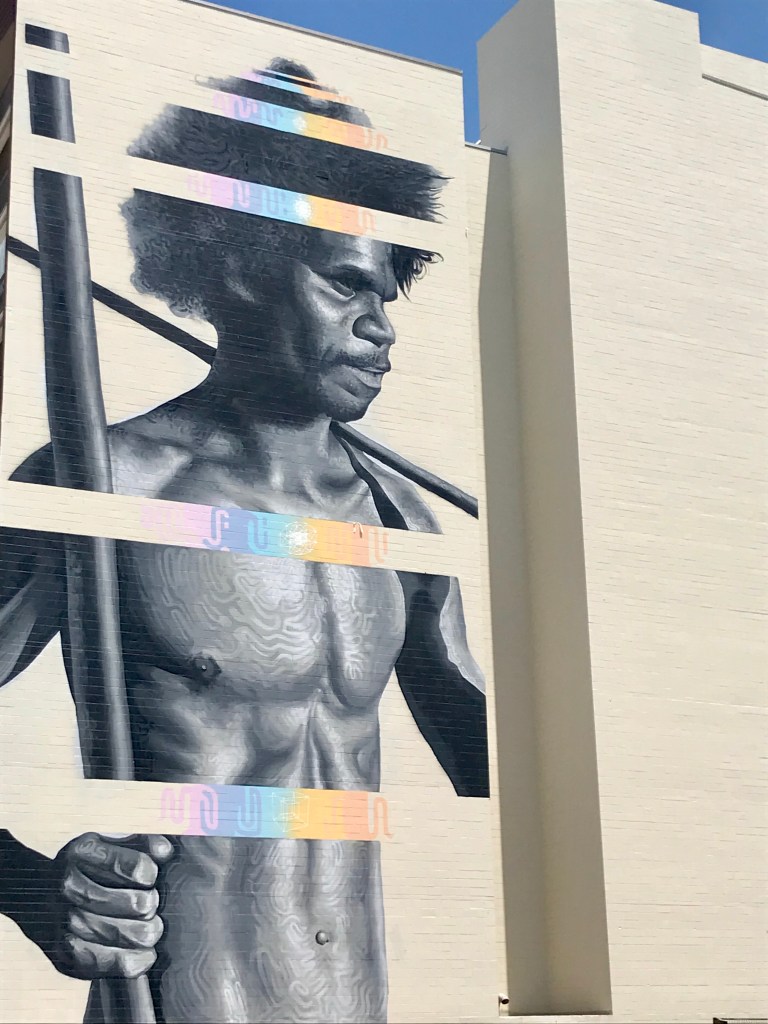
The traditional owners of the land are the Larakia (saltwater) people and Darwin has a strong connection to its routes. This is evidenced in its culture; the many languages spoken in the streets and the artwork that adorns buildings and walls (which reminded me somewhat of Melbourne) throughout the city. The city is also home to museums and galleries where you can learn more about Darwin’s indigenous origins.
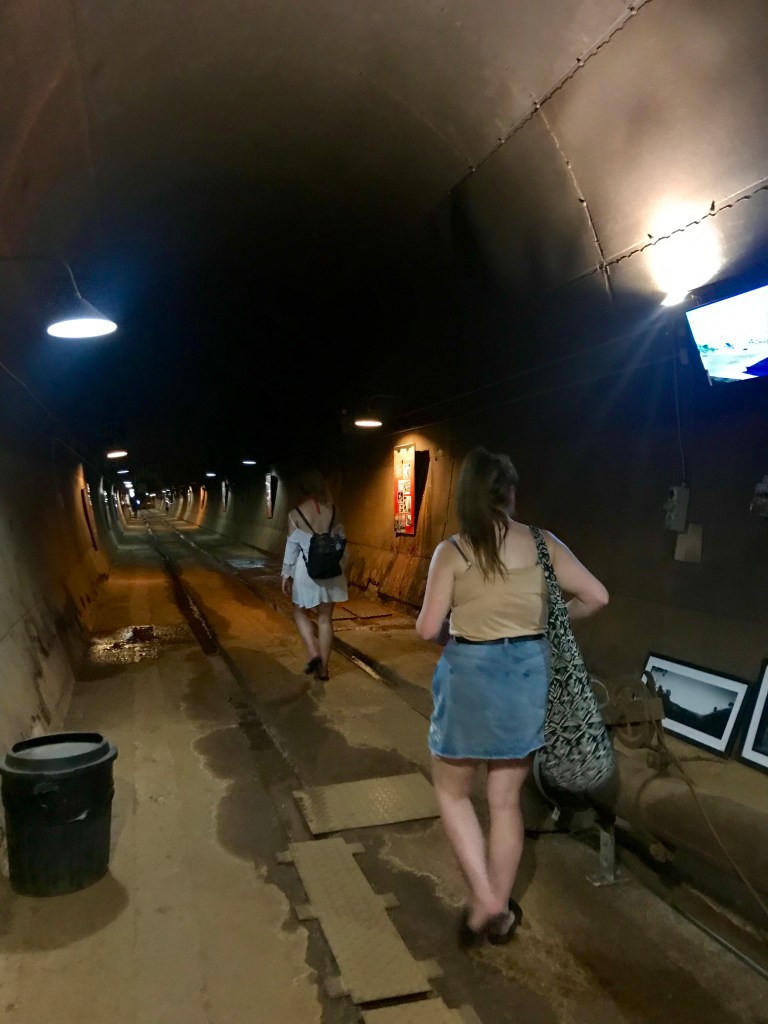
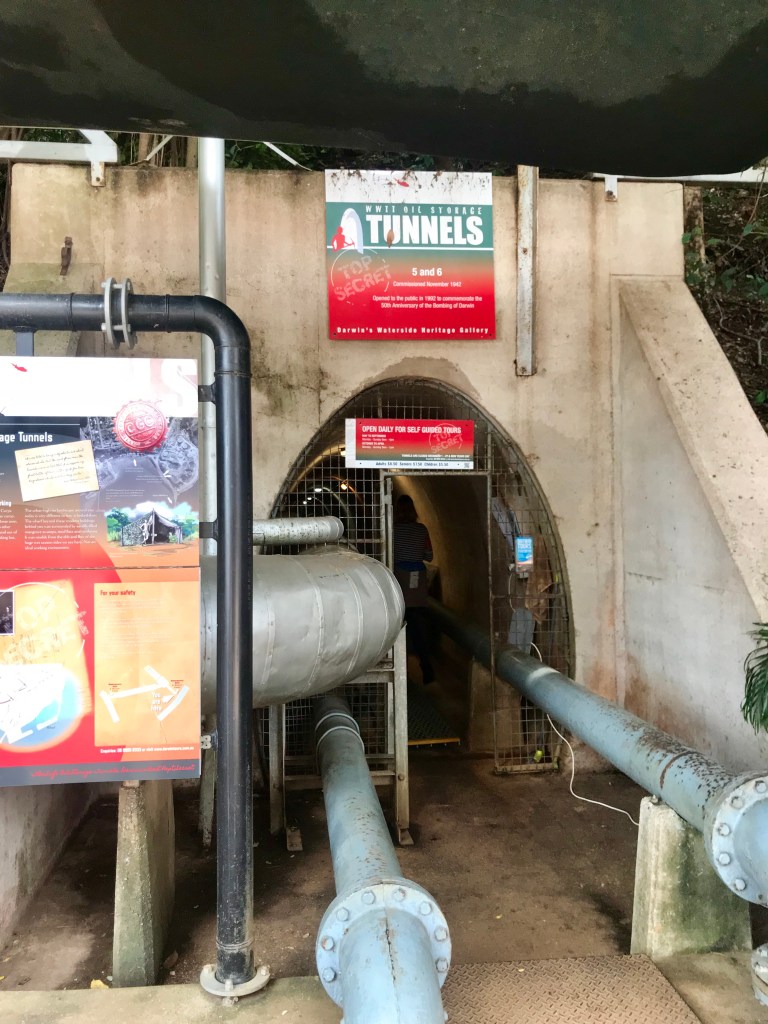
Little known to many people though, is Darwin’s connection to World War 2. As we explored the city centre, we discovered Darwin’s WW2 tunnels and paid a few dollars entry to explore them and learn more. As something of a history geek, this was an interesting experience; I have learnt lots about the second world war, but never from an Australian perspective. There are numerous information bulletins as you make your way through the 127-metre-long tunnels. As we discovered from this experience, in Feb 1942, bombs fell on Australia for the first time, with the city of Darwin experiencing devastating attacks by Japanese aircraft as they targeted the harbour. These attacks are widely considered amongst the worst that Australia experienced during the war. Aside from the WW2 tunnels, there are also plenty of other ways to learn about Darwin’s war history, such as at the Defence of Darwin Experience or Darwin Military Museum.
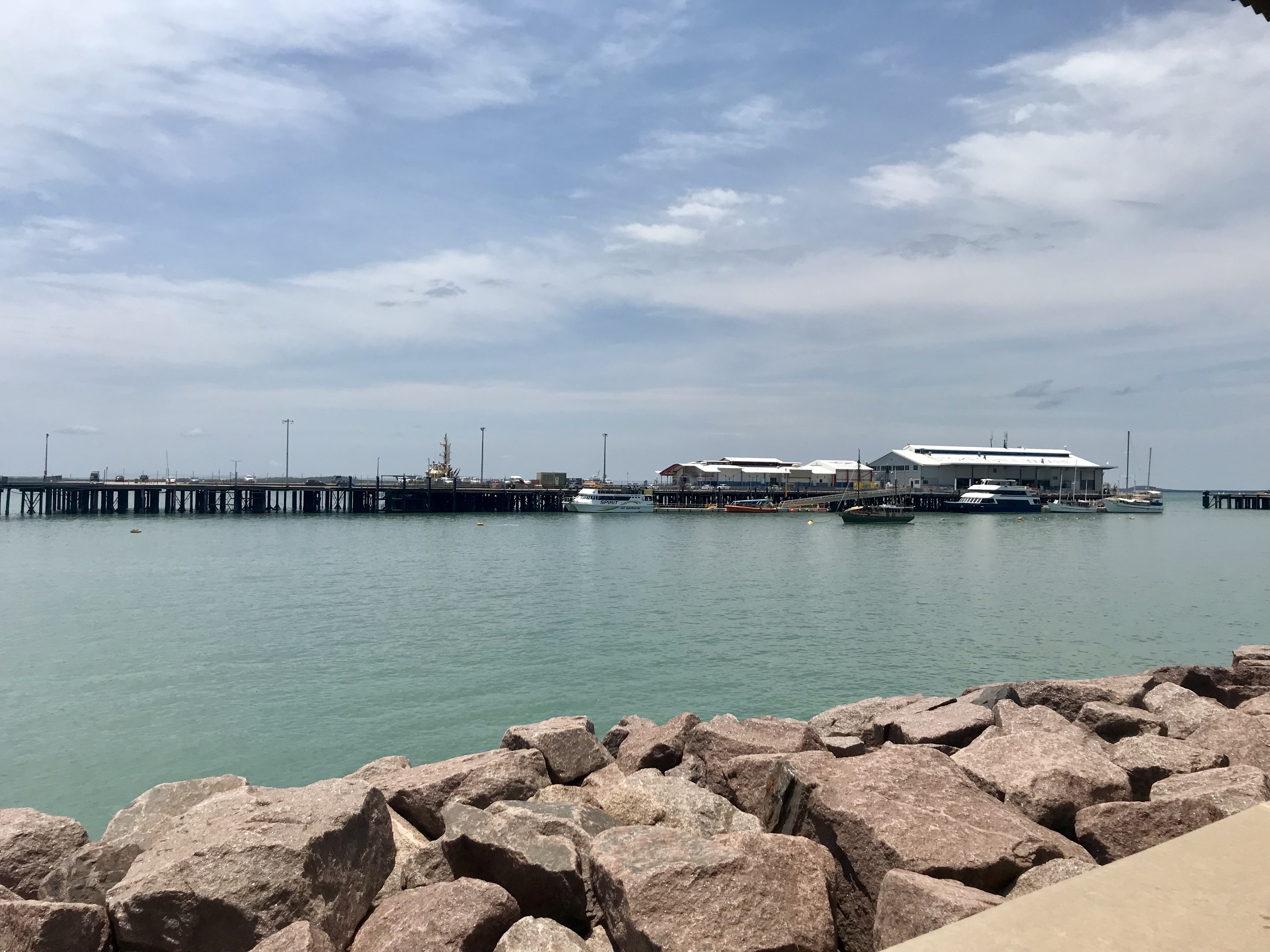
Darwin is also the most modern capital in Australia. After being hit by Cyclone Tracy in 1974, which killed 66 people and injured thousands more, the city was devastated. Over a number of months and years, Darwin was gradually rebuilt to become Australia’s most modern capital city. This rebuild and renovation can be seen in Darwin’s waterfront, which is host to a number of waterside restaurants, bars and hotels.
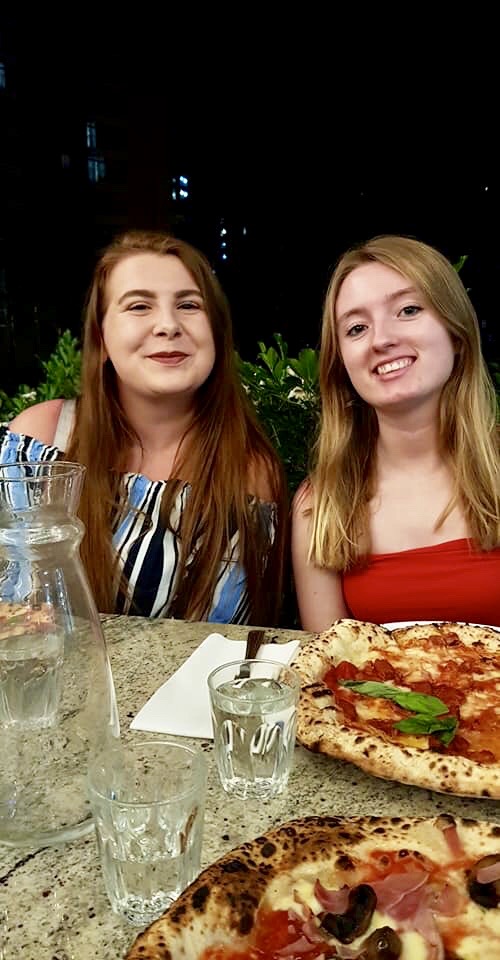
Aside from its rich history, Darwin also has a few places to shop in the city centre, as you would expect. While we didn’t buy much, we exploited the shopping centre’s aircon to escape the city’s humidity and one of my friends went in search of something cold. When she returned with four very welcome ice-cold Fanta blasts, I don’t think we could have been happier. After relishing our refreshing drinks in quiet contemplation (it was too hot to say or move much), we stepped back into the heat to explore some more.
Crocodiles
Australia is of course known for its dangerous animal inhabitants, but the Northern Territory and Darwin, might be said to be croc capital. At an estimated 100,000, there are more saltwater crocodiles in NT than in either Western Australia or Queensland. With this in mind, there are a number of places where you can (safely) experience a crocodile encounter in NT.
My friends and I chose to visit Crocosaurus Cove which is situated in the heart of Darwin. Crocosaurus Cove is a zoo home to some of the largest saltwater crocodiles and offers an impressive display of Australian reptiles. What is unique about Crocosaurus Cove is how close up you can get to the crocs, particularly with its ‘Cage of Death’ experience in which you’re submerged into the water with the crocodiles. Though the ‘Cage of Death’ is on the pricey side, it is Australia’s only crocodile dive experience. Though it was a unique experience to marvel at these magnificent animals up close, we all agreed that our trip to Crocosaurus Cove was a little strange. The zoo itself was pretty quiet and small, and sadly, we felt the enclosures themselves were also a bit claustrophobic too by comparison with other zoos, particularly for the size of their crocodile inhabitants.
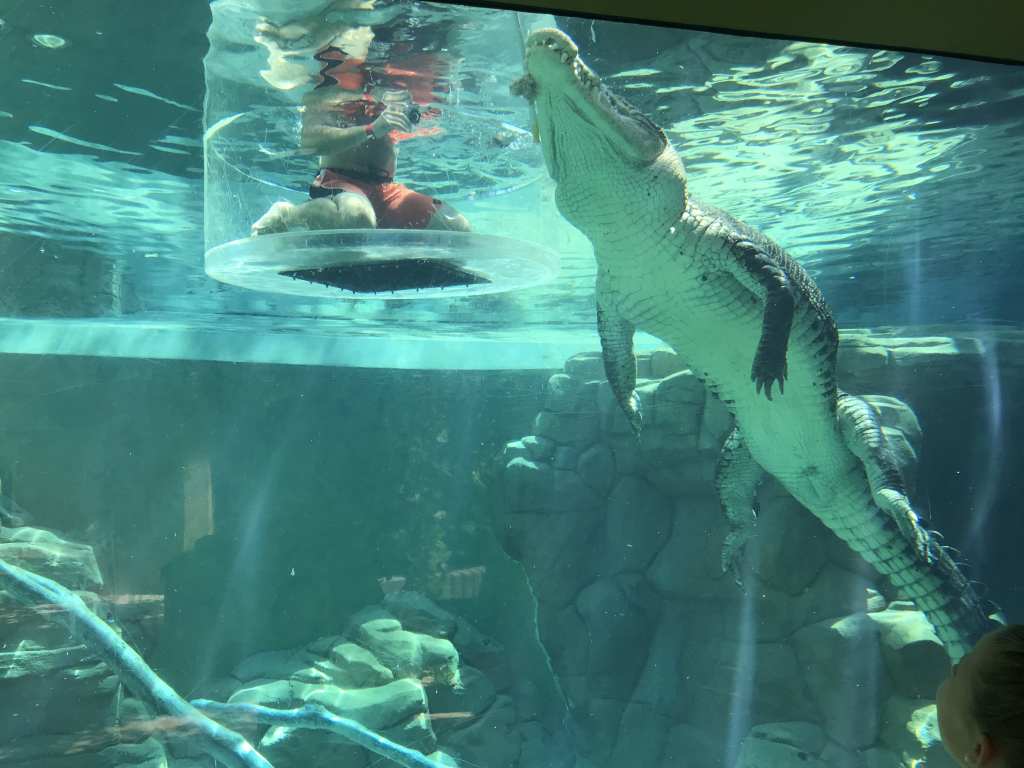
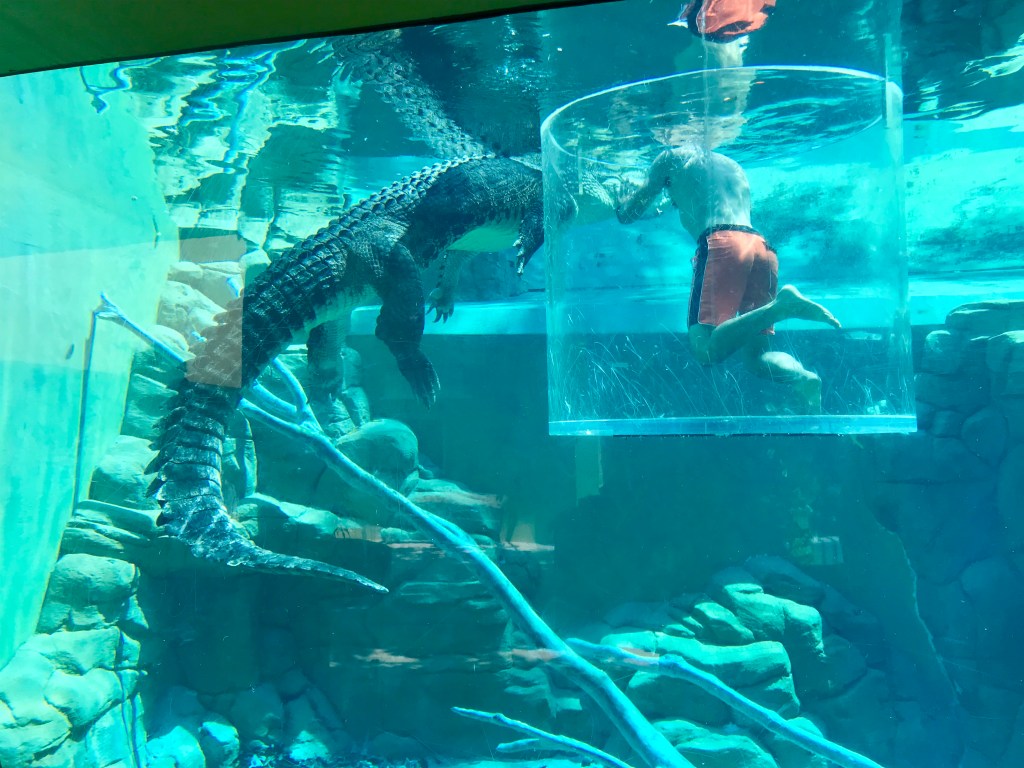
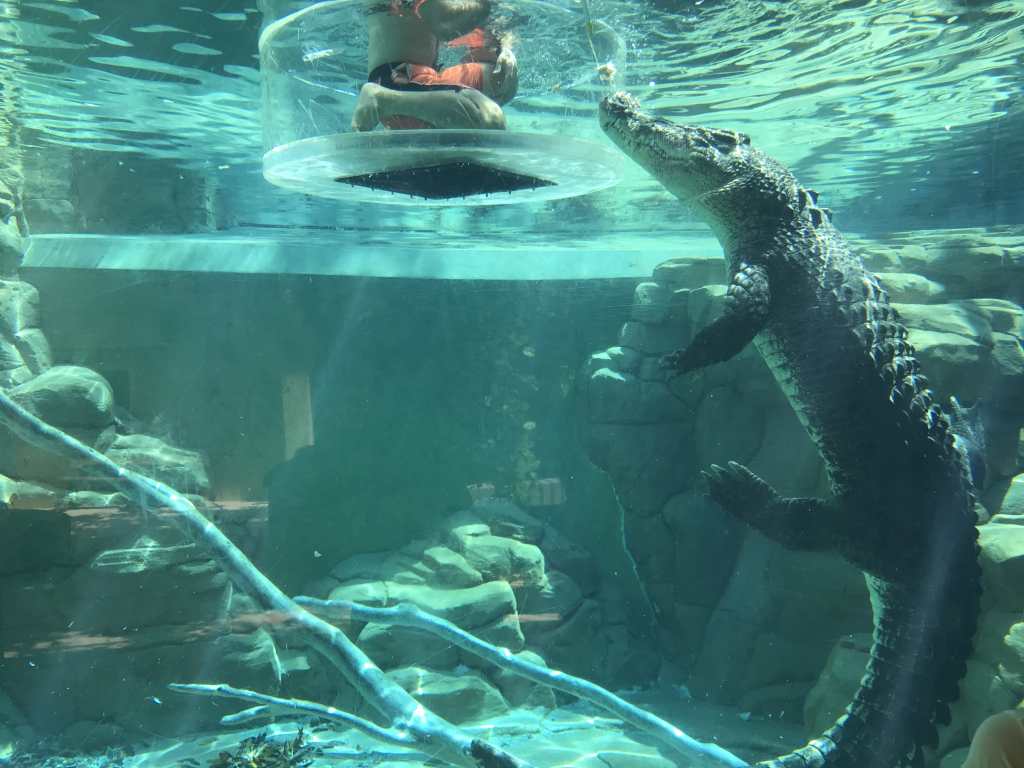
There are however, a number of other ways to witness crocs in Northern Territory, such as by booking and joining a jumping crocodile cruise down the Adelaide River, or by visiting Crocodylus Park.
Litchfield National Park
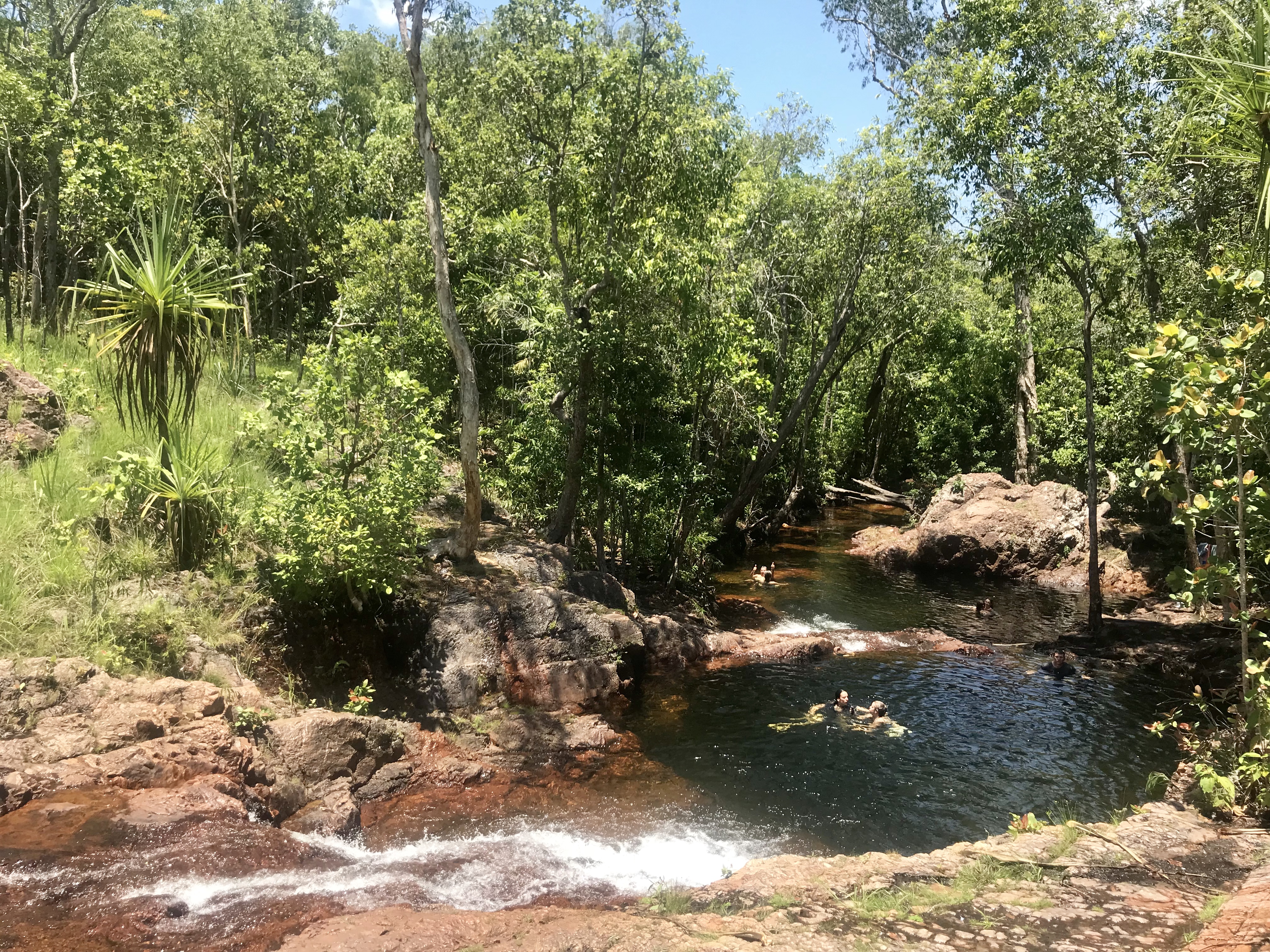
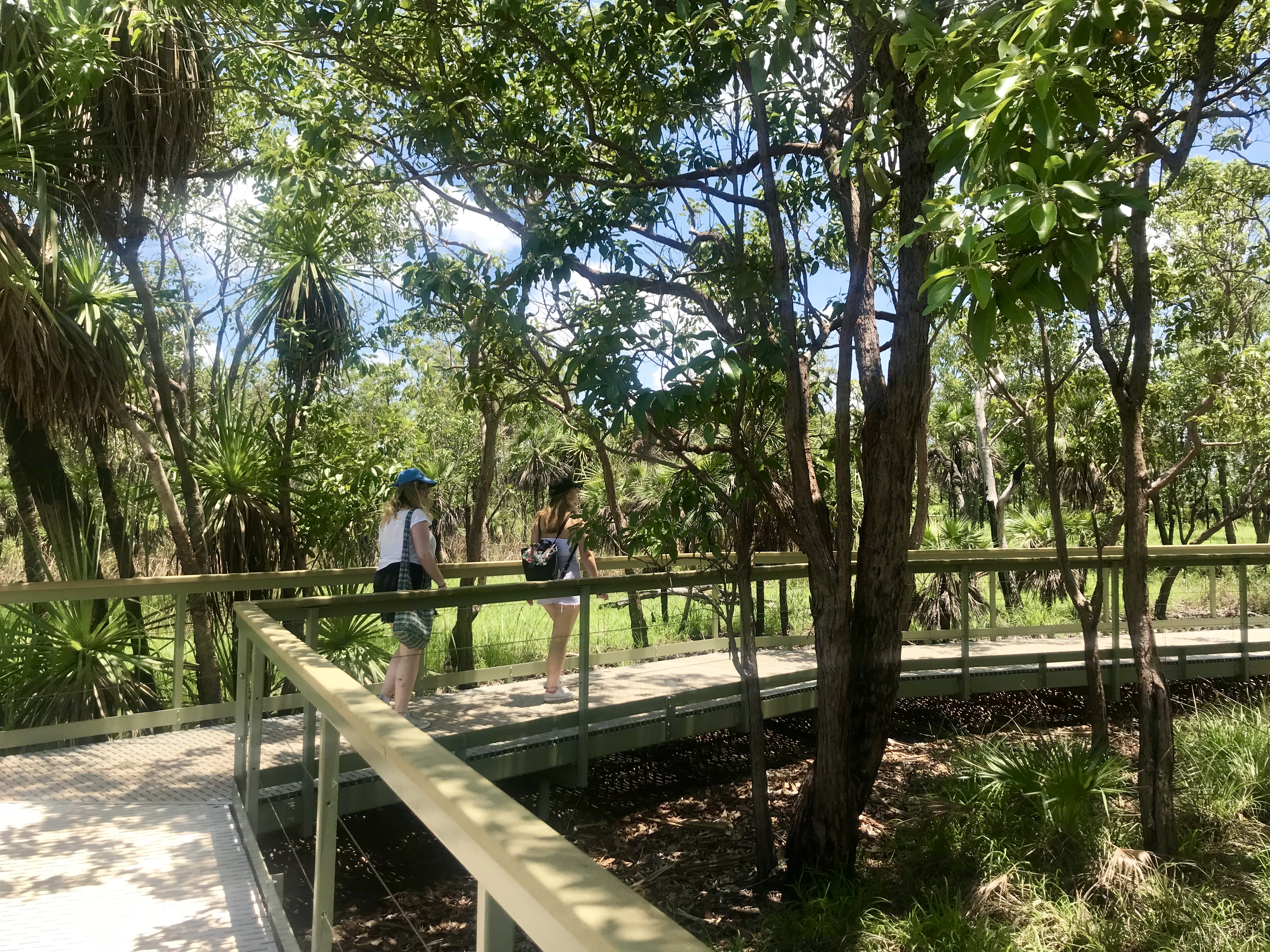
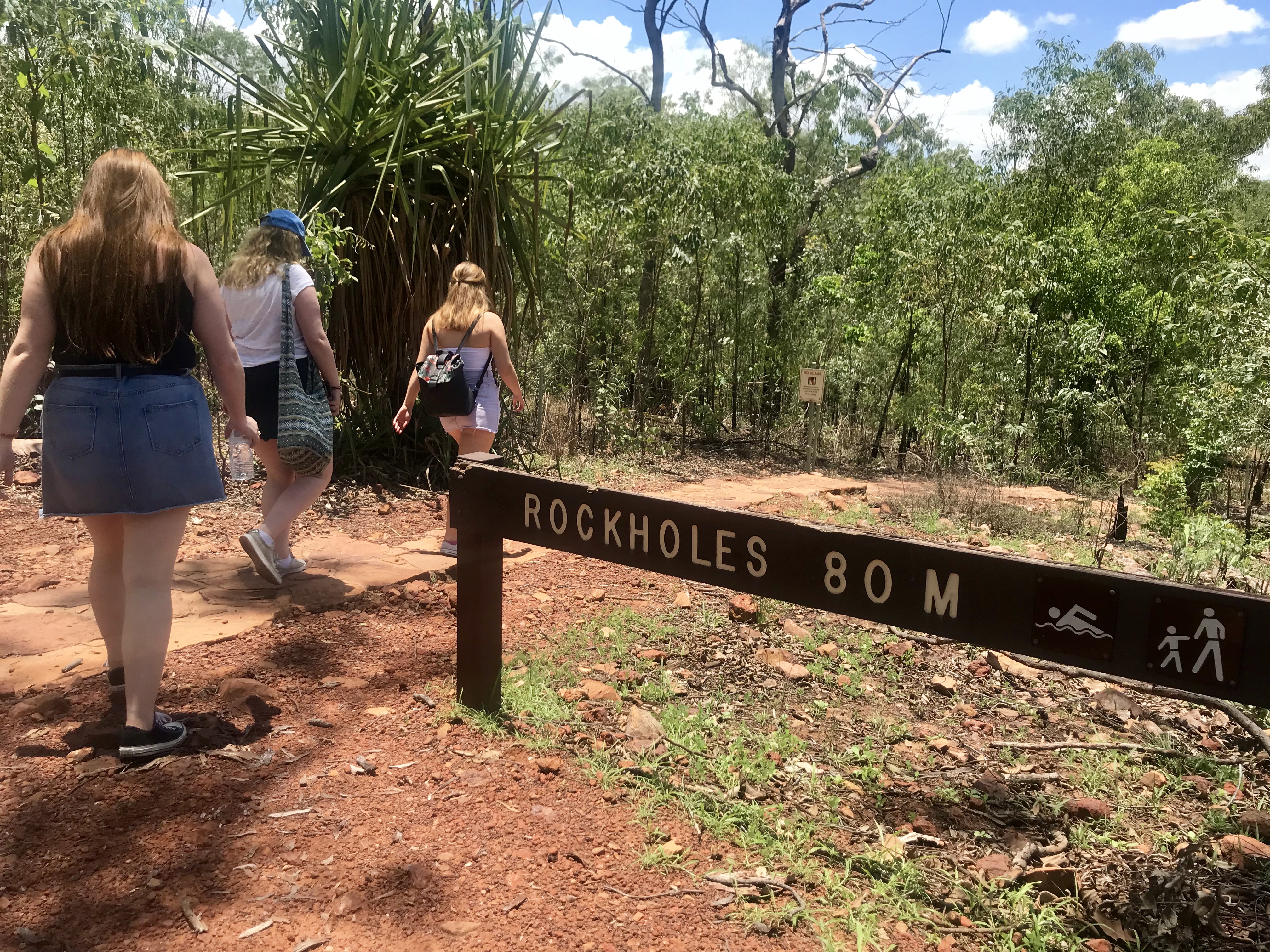
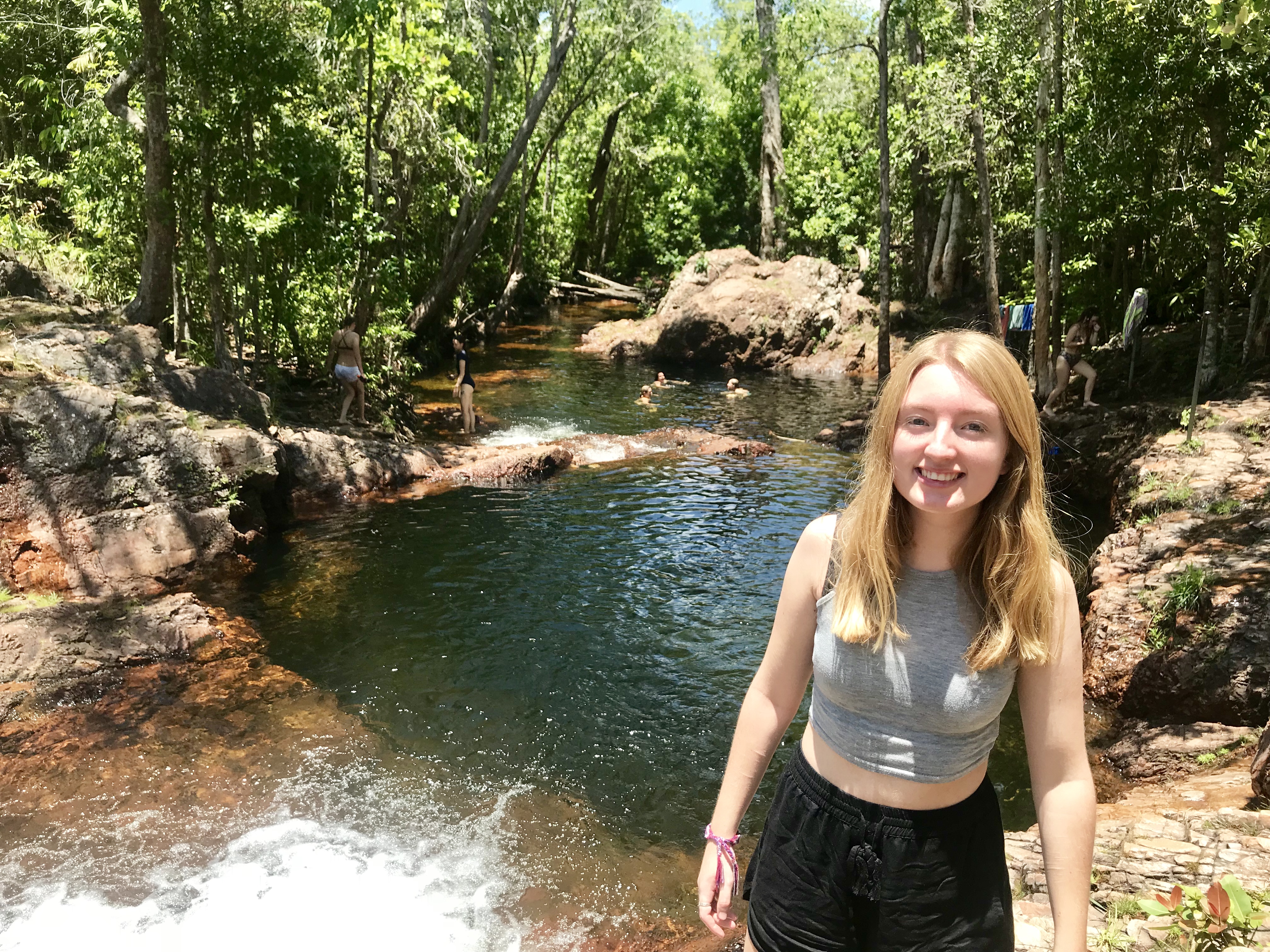
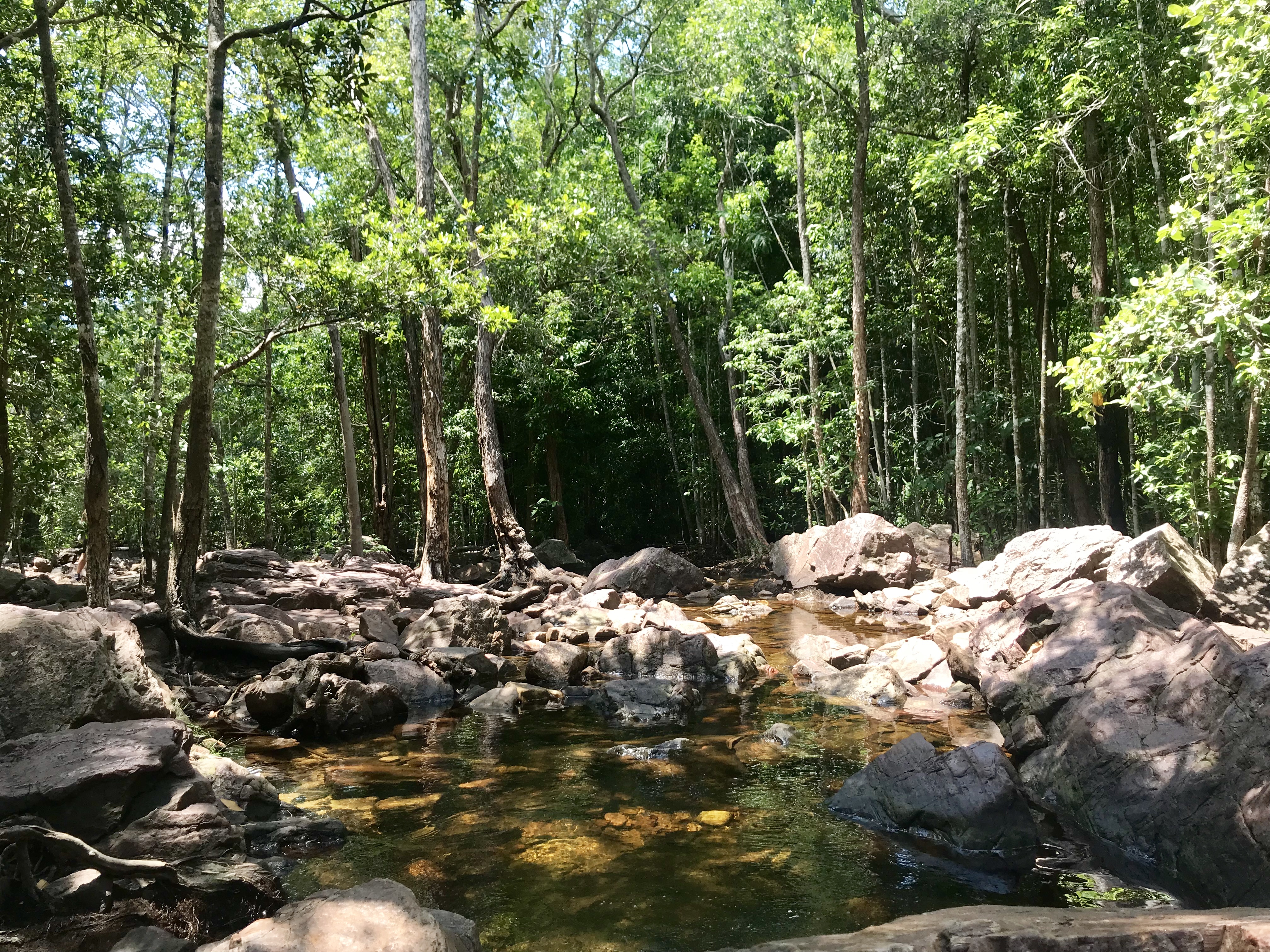
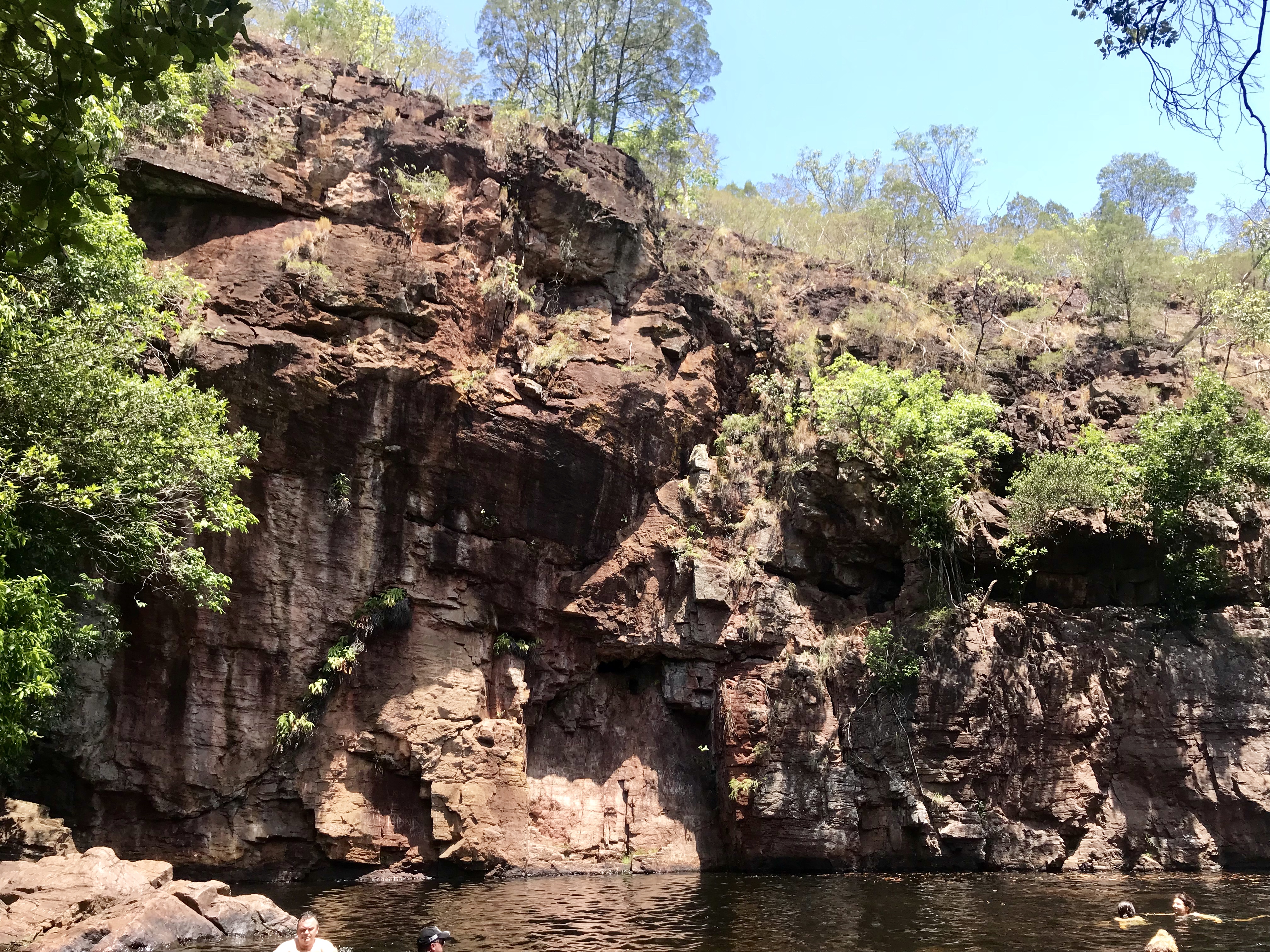
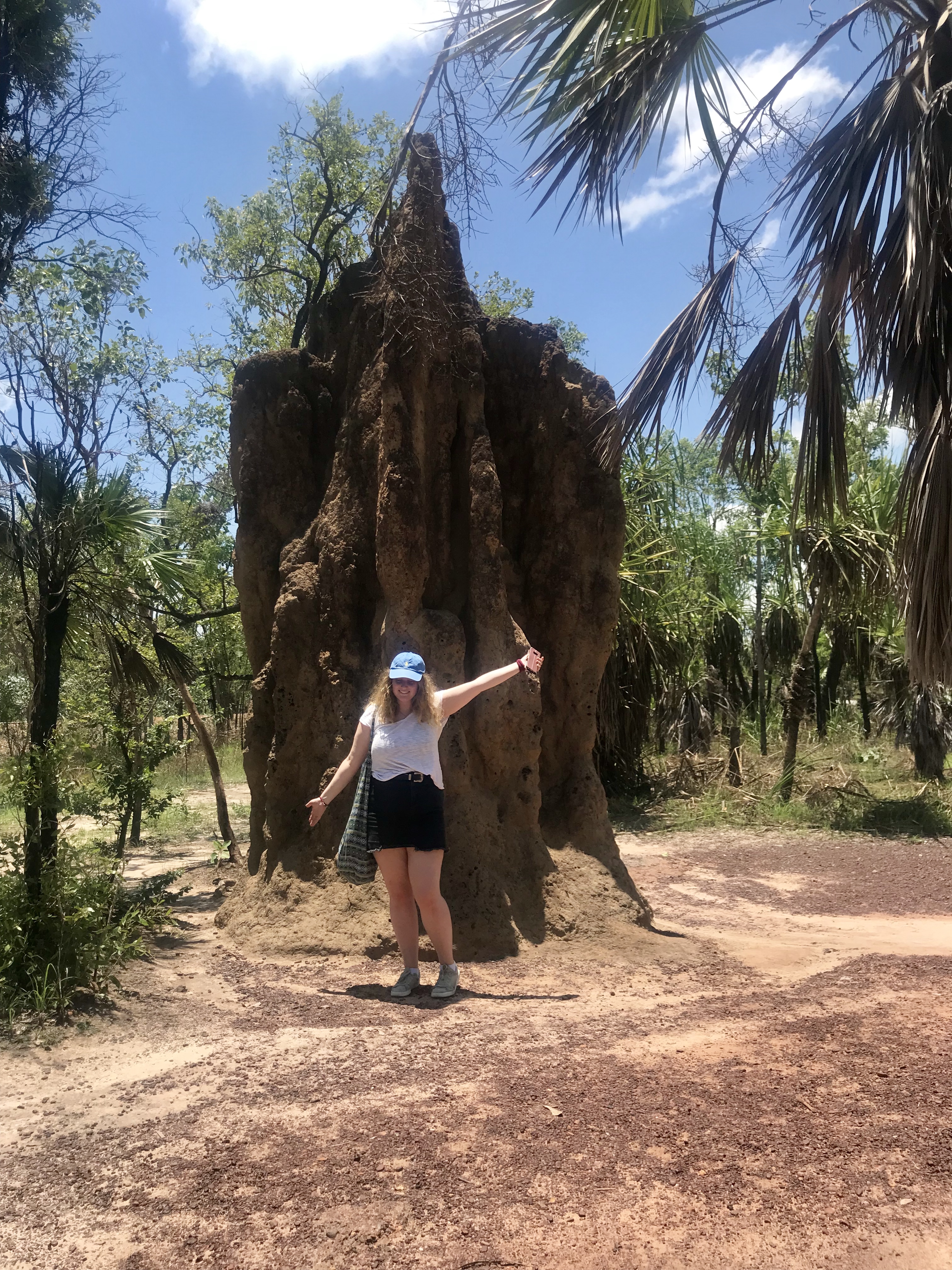
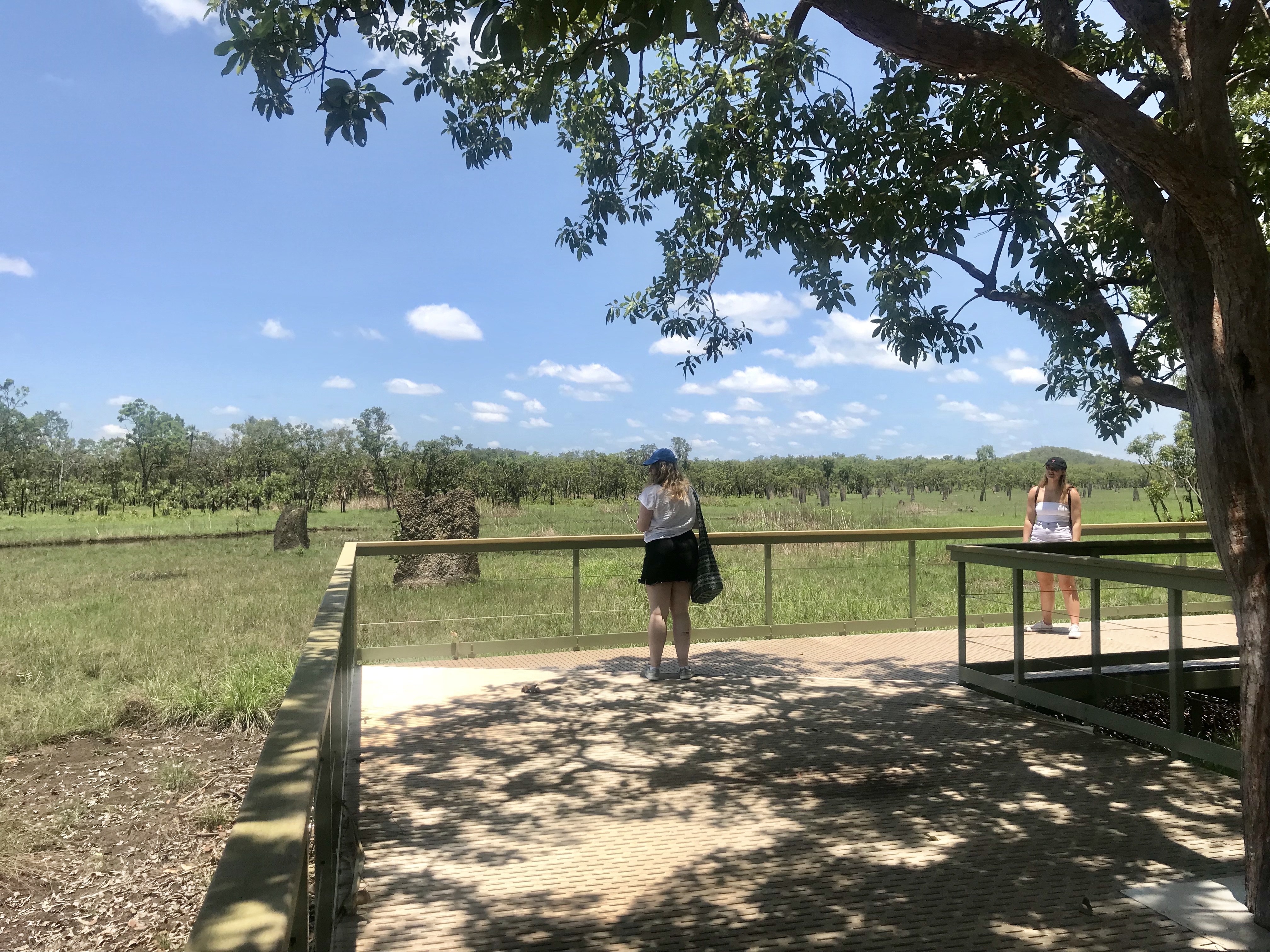
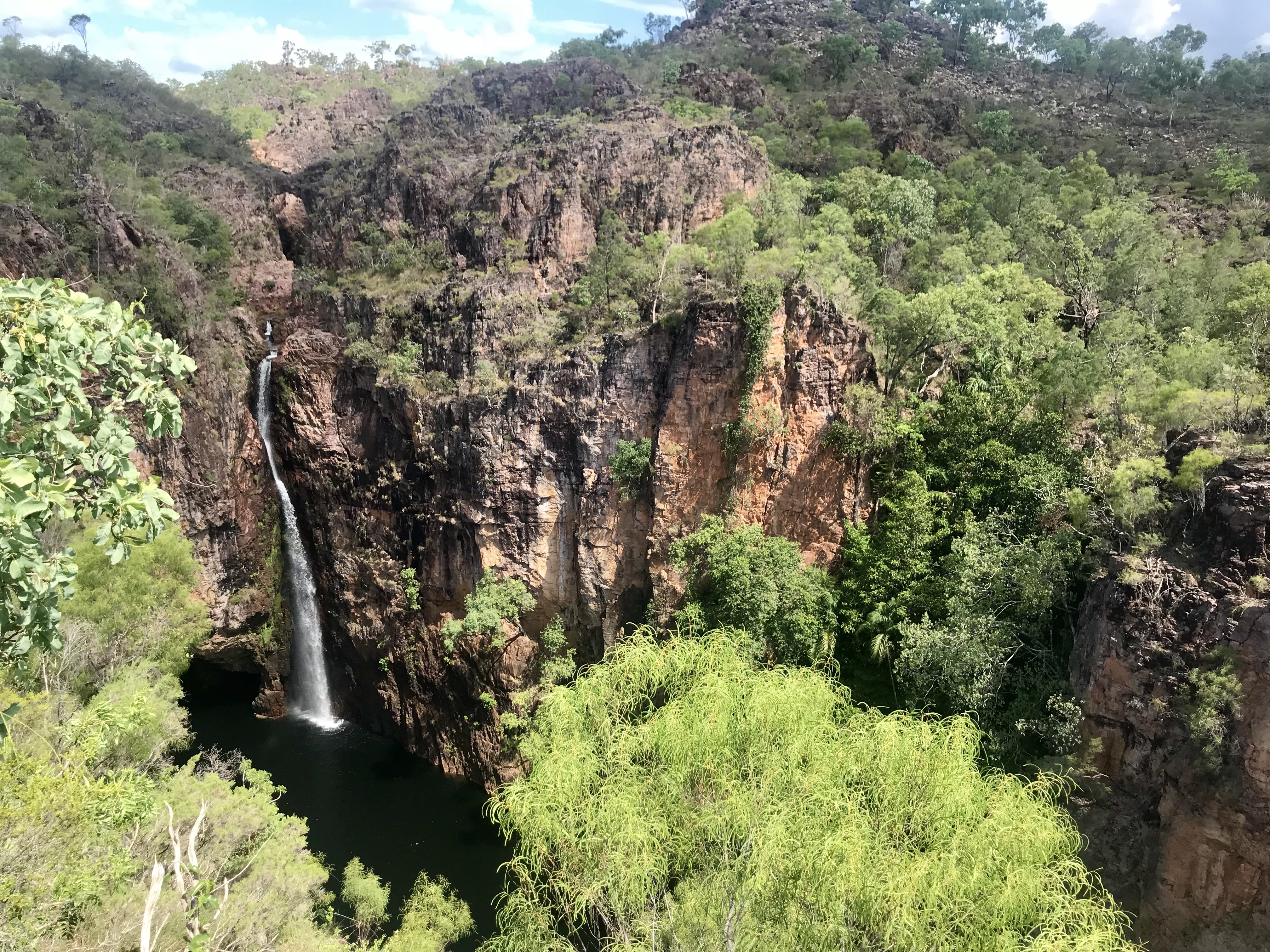
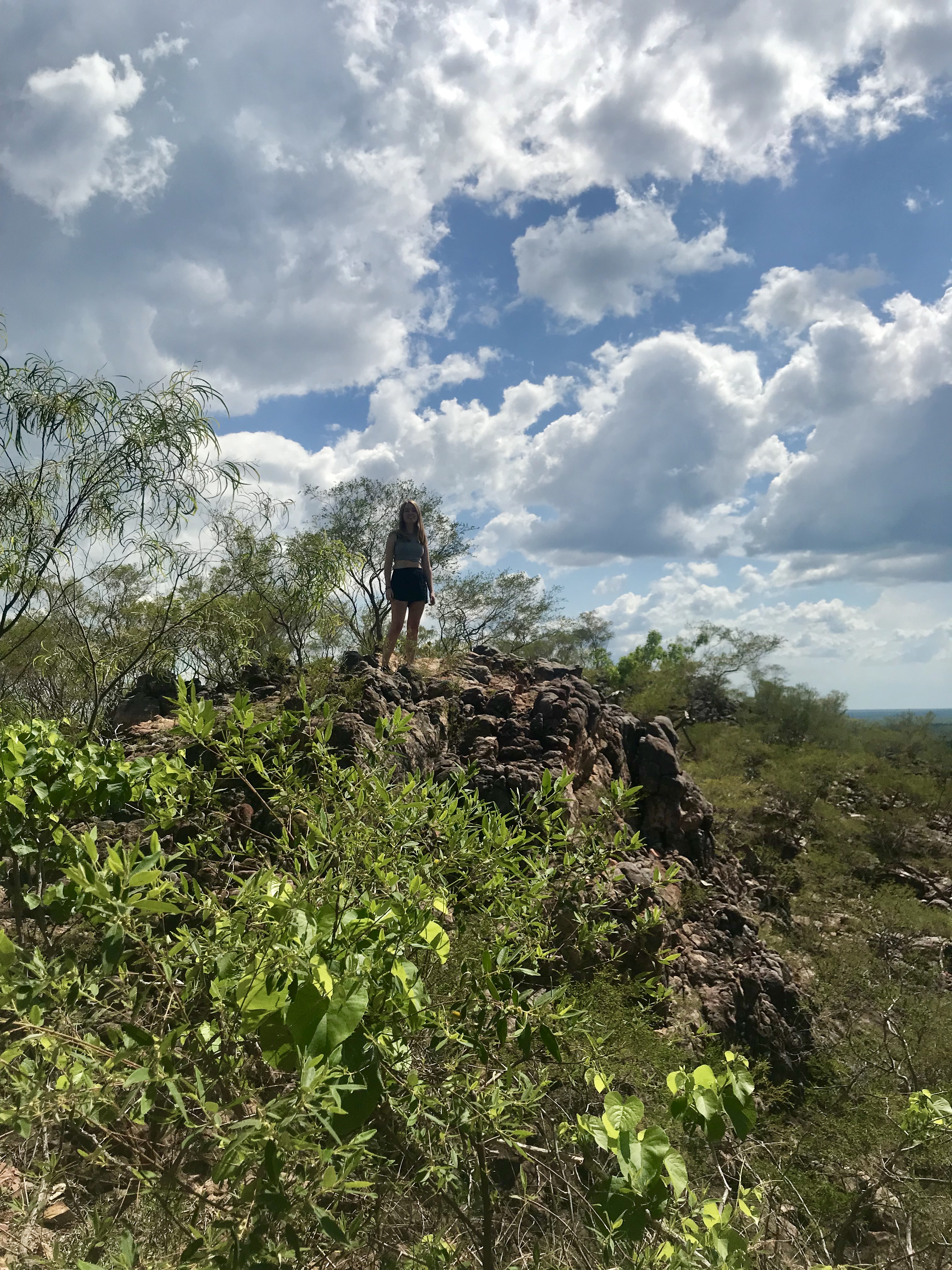
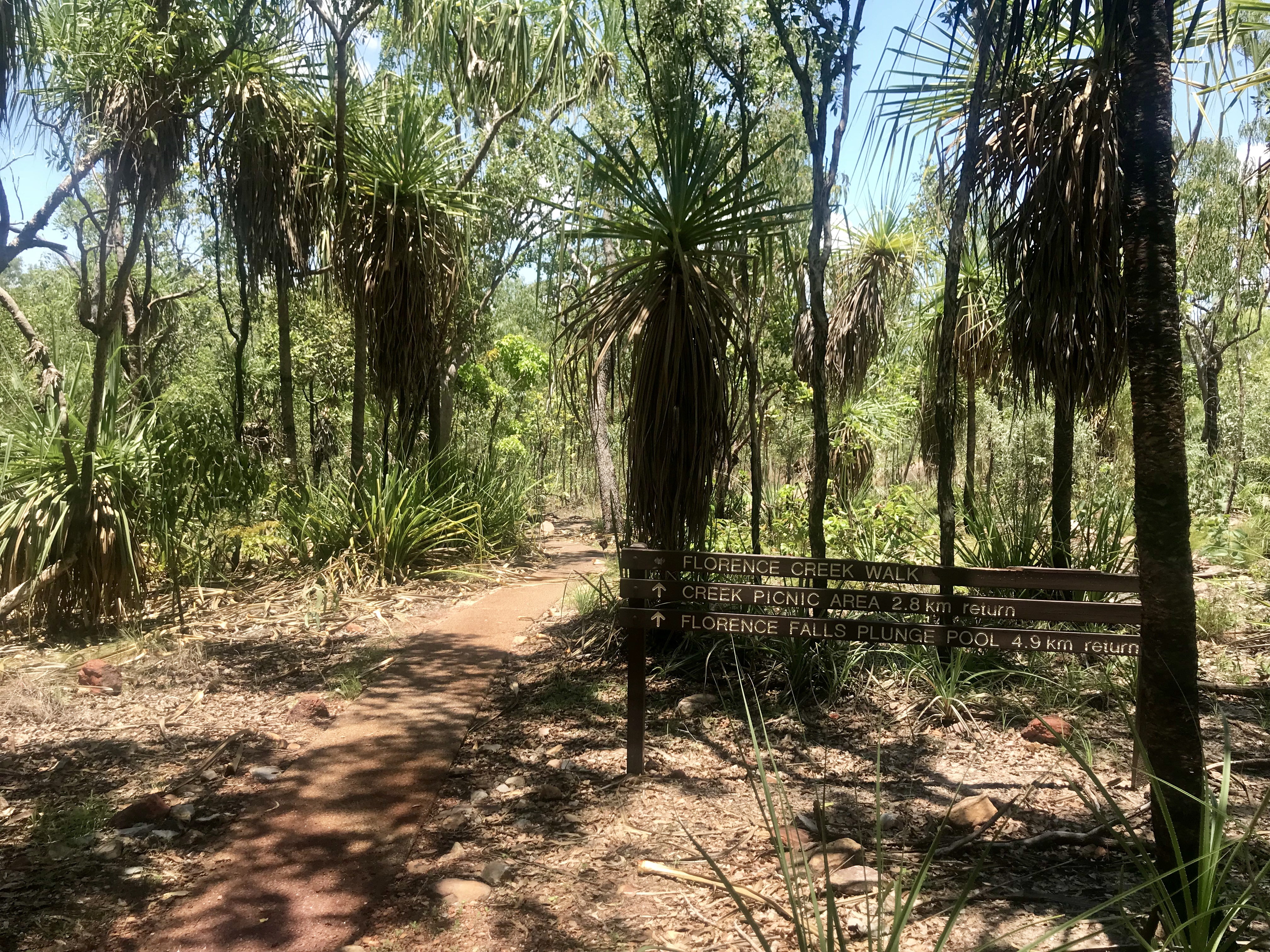
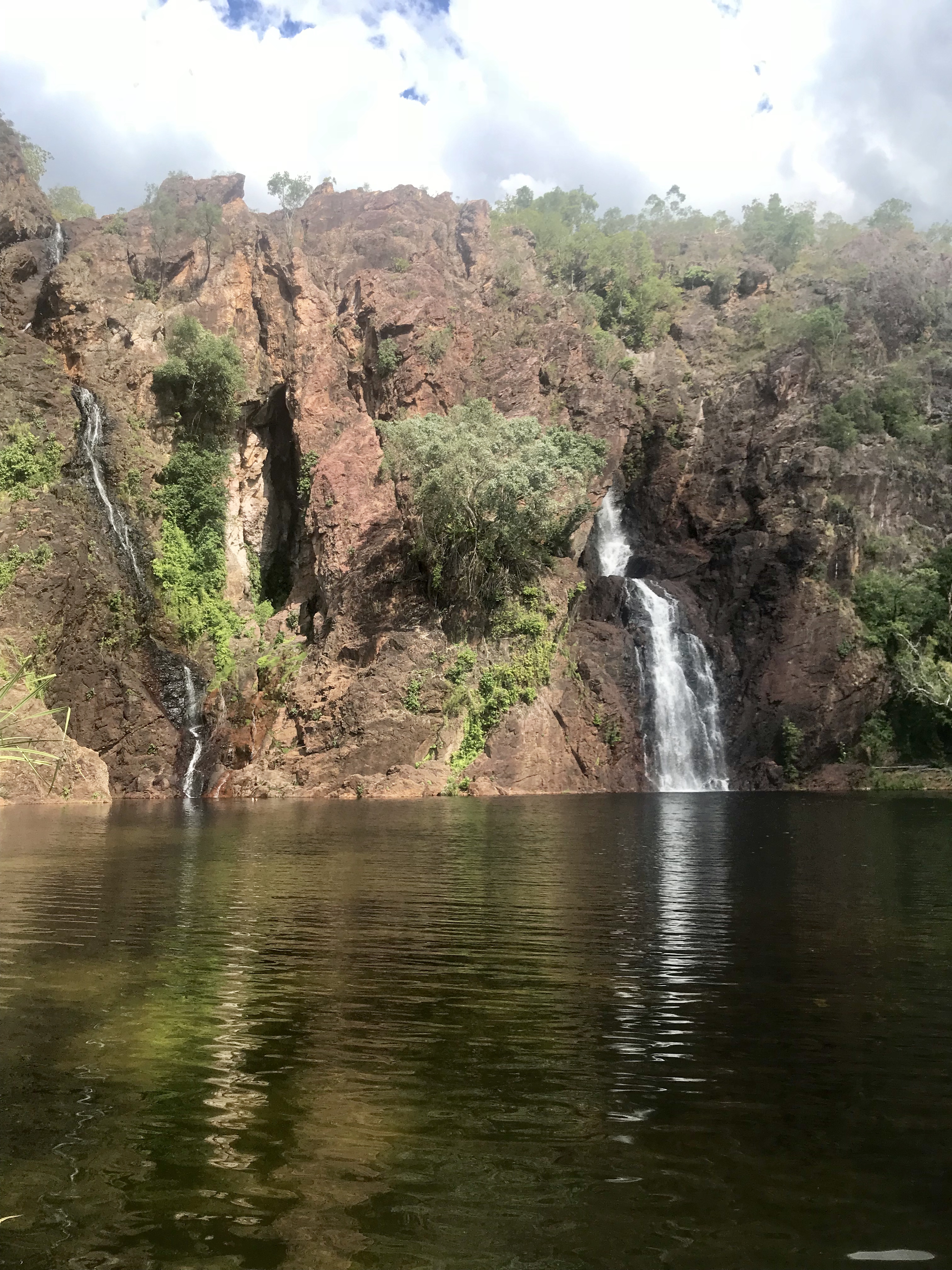
My favourite part of our trip to Darwin was our visit to Litchfield National Park. After a 1.5 hour drive from Darwin centre in our rental car, we arrived at the park. Admittedly, we were a little underwhelmed at first as we reached our first stop, the park’s termite mound after a hot and humid car journey, we worried this might be the highlight. Fortunately, we were wrong. We spent the day exploring the lush green rainforest, from the termite mounds to refreshing pools we could dip our toes in or dive right in. There are few things more satisfying or calming than cooling off in nature’s very own swimming pool. Aside from the pools and termite mounds, there are also waterfalls and wildlife to be admired. Litchfield National Park is exactly what you’d hope for when visiting Australia and exploring its hinterland. If you have time Kakadu National Park is also situated in NT and worthy of a visit.
Hostel horror
Unfortunately for us, our hostel seemed to play host to half the insect population of Litchfield National Park. By this I mean, we had a cockroach infestation in our room. Picture the scene, it’s late night and dark, you make your way from your top bunk bed into the en-suite bathroom. You turn the light on and as your eyes adjust to the light, you see something to the number of 50 or more cockroaches crawling and scuttling in every direction. Under the toilet, under the shower, down the shower drain, through the cracks in the door and into the sink. Cockroaches. Everywhere. Now, everyone knows Australia is crawling with insects, but we didn’t quite expect to be sharing a room with so many. Weirdly too, it only seemed to be our room that was plagued by them. I didn’t have a fear of cockroaches before, but after hearing their scuttling next to my head as I tried to sleep, I think I do now.
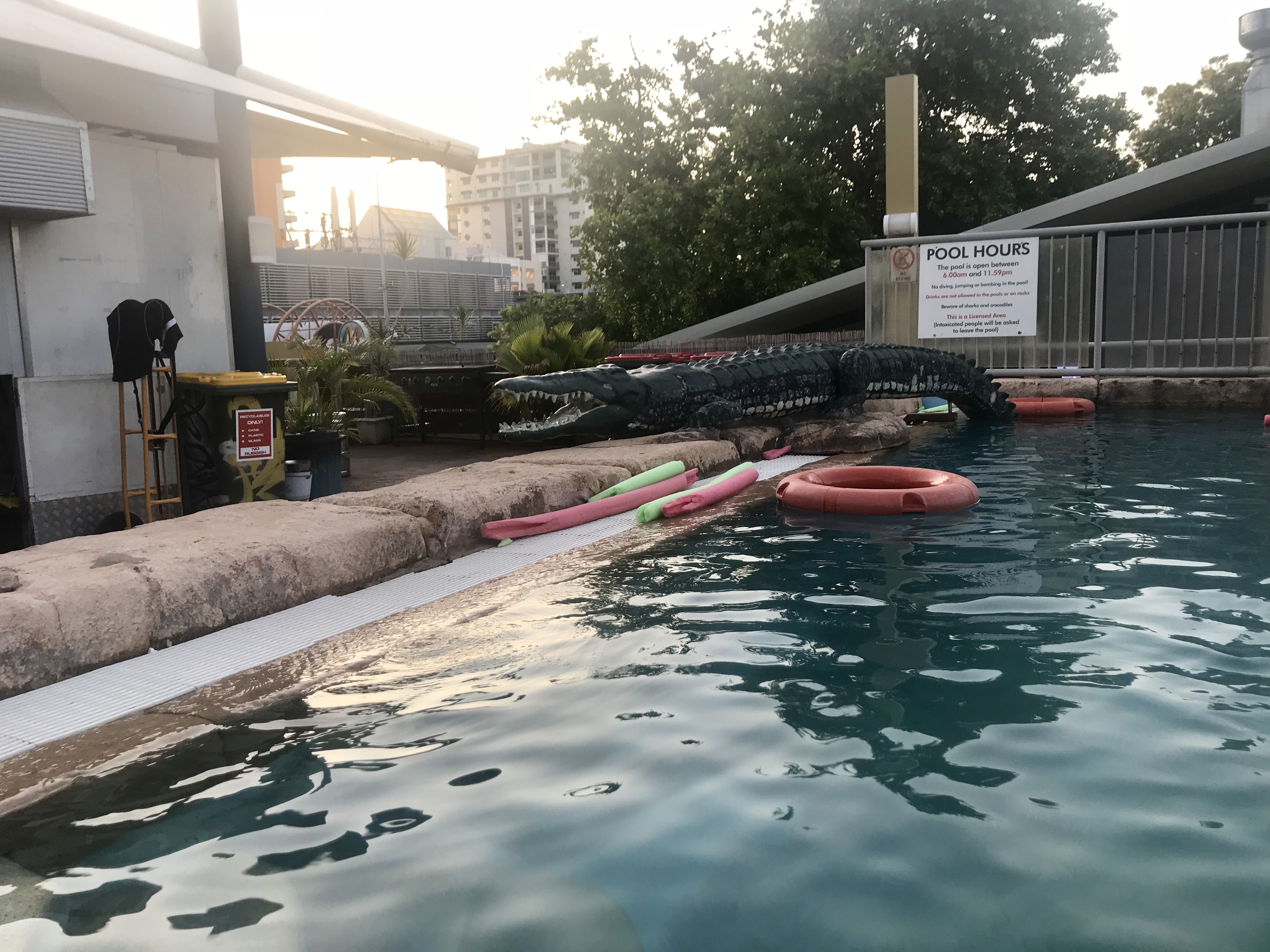
Aside from the unwanted insect roommates, our hostel was nice enough. It had a pool and a poolside bar with cheap cocktails, which I imagine is enough to keep most 20-something year olds like ourselves, happy.
Beaches
Given the high number of saltwater crocodiles in Australia’s Northern Territory, as tempting as the sea looked, we decided it best not to wade in it. However, we were still able to enjoy the beach. Like anywhere else on Australia’s coastline it seems, Darwin has a number of impressive beaches and bays.
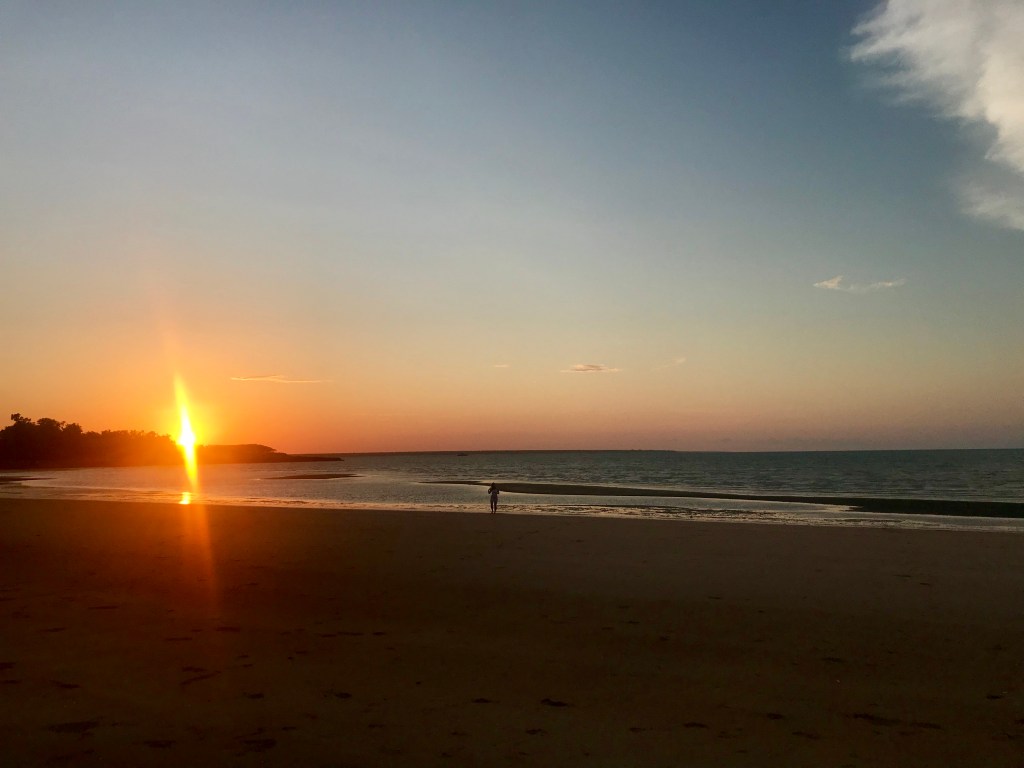
We explored Darwin’s popular Mindil beach for a sunset-stroll. This was a nice, relaxing way to round off our day until my friend got stuck in the sand and started to sink. Like any good friend, our first reaction was to fall about laughing and take her photo before eventually helping her, much to her grievance (I can’t imagine why??). Nevertheless, Mindil beach at sunset is the perfect place for some typical Aussie snaps (pun not intended!). In the dry season, Mindil beach is also host to flea and street markets where you can peruse and enjoy the amazing food, art and culture on offer with a stunning sunset backdrop.
Our trip to Darwin was inspired by cheap flights and spontaneity and though we weren’t sure what to expect, I remember Australia’s Northern Territory fondly… even with the cockroaches!
 Going Beyond Borders